5% VAT cut on household electricity bills from October
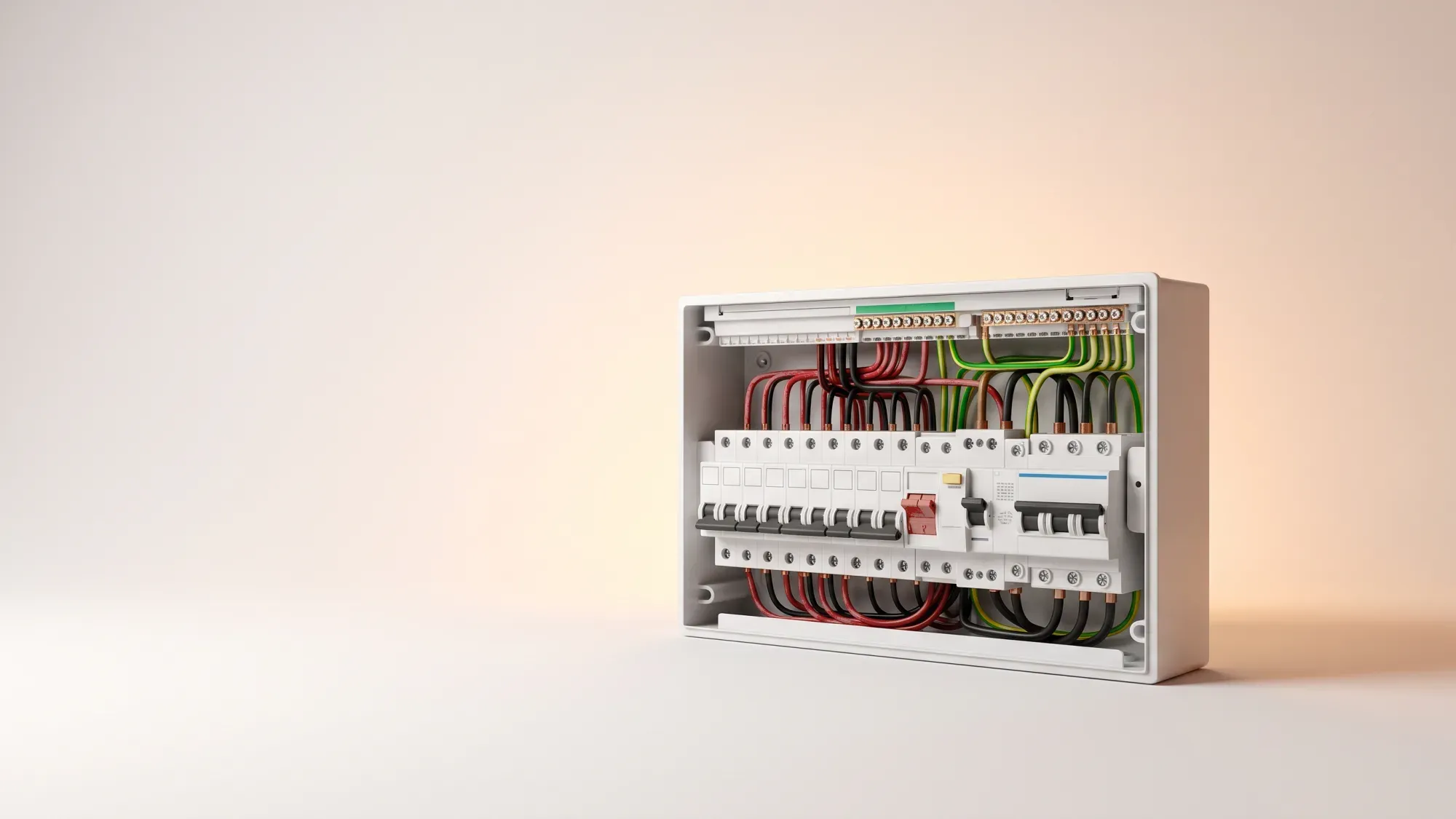
Prime Minister Andy Burnham has announced an immediate tax cut on household electricity bills, removing Value Added Tax (VAT) from domestic electricity bills starting 1 October1. This measure, funded by the cancellation of the £1.8 billion Digital ID programme, aims to provide "breathing space" for millions of UK households this winter. The action is expected to reduce the yearly Ofgem Price Cap by approximately £45, building on a previous £150 reduction.
Understanding changes to your household electricity bill can help you manage your energy costs. With Fuse Energy, you get clear pricing, real-time usage data, 24/7 human customer support, and a modern energy experience designed around you. Signing up takes just a few minutes, so you can take control of your bills from day one. Click here to switch to Fuse Energy today.
Enter your address to get a quote and see how much you could save
The government's energy bill announcement
The government's latest policy is a direct response to ongoing energy challenges and broader cost of living pressures in the UK. This energy tax reduction is designed to offer consumer financial relief and bring reassurance to households across the nation.
Immediate relief for UK households
From 1 October, VAT will be removed from domestic electricity bills. Prime Minister Andy Burnham stated, "We’re taking immediate action to cut taxes on energy bills, put more money in people’s pockets and bring back hope." Chancellor of the Exchequer John Healey MP added, "Today’s energy tax cut will give families some breathing room on bills, and provide some reassurance this winter." The government anticipates this will also help curb inflation and benefit small businesses, charities, and residential care homes. Northern Ireland will receive comparable funding due to EU VAT rules.
Funding the tax reduction
This tax cut is funded by the cancellation of the £1.8 billion Digital ID programme. This demonstrates a fiscally responsible approach to providing immediate financial relief to households.
Impact on the Ofgem Price Cap
The VAT removal is expected to reduce the yearly Ofgem Price Cap by approximately £45. This reduction comes on top of a previous £150 reduction, offering further relief to consumers. The Ofgem Price Cap limits the maximum amount energy suppliers can charge for each unit of gas or electricity you use, including a daily standing charge.
Understanding your household electricity bill
Navigating your household electricity bill can be complex, but understanding its components is the first step towards managing your energy costs effectively.
Key components of your bill
Your electricity bill typically comprises several elements: the unit rate for the electricity you consume (measured in pence per kilowatt-hour, p/kWh), a daily standing charge, and VAT. The standing charge is a fixed daily amount you pay regardless of how much energy you use, covering costs like grid maintenance and meter reading.
How the Ofgem Price Cap works
The energy price cap, set by the regulator Ofgem, limits the maximum unit rate and standing charge that suppliers can apply to their standard variable tariffs. Ofgem typically reviews the price cap every three months to reflect changes in wholesale energy prices and other costs. It is important to note that the price cap limits the rates, not your total bill; your overall cost still depends on your energy consumption.
VAT and other charges
Before the recent announcement, VAT was applied to domestic electricity bills. From 1 October, this will be removed. Other charges on your bill can include environmental levies and network costs, which are typically factored into the unit rate and standing charge.
Factors influencing your electricity costs
Several factors contribute to the total cost of your household electricity bill, from how much energy you use to external market forces.
Energy usage and appliance efficiency
The amount of electricity you use directly impacts your bill. The average UK home uses around 2,700 kWh of electricity per year. Appliances vary significantly in their energy consumption; older or less efficient models generally use more power. Understanding which appliances consume the most energy can help identify areas for reduction.
Tariff types and supplier choices
Energy tariffs come in various forms, including fixed-rate and variable-rate options. Fixed tariffs lock in your unit rate for a set period, offering predictability, while variable tariffs can change with market conditions. Choosing the right tariff and supplier can significantly influence your costs.
Seasonal and external influences
Energy consumption often fluctuates with the seasons, with higher usage typically seen in colder months for heating and lighting. Broader external factors, such as global events affecting wholesale energy prices, can also impact the cost of electricity.
Practical steps to manage your bill
Taking proactive steps can empower you to manage your household electricity bill more effectively.
Monitoring your energy consumption
Understanding your energy usage patterns is crucial. Smart meters provide real-time data on your electricity consumption, allowing you to see how much energy you are using and what it costs. Many energy providers, including Fuse, offer apps that integrate with smart meters to display this information clearly. Regularly checking your meter readings, whether smart or manual, helps you track usage and identify spikes.
Implementing energy-saving measures
Making small changes around the home can lead to noticeable savings on your electricity bill. Switching off appliances at the wall instead of leaving them on standby can save around £35 annually. Using LED lighting, washing clothes at 30°C, and air-drying laundry instead of using a tumble dryer are also effective strategies. Improving insulation and draught-proofing windows and doors can prevent heat loss, reducing the need for heating.
Exploring government support and grants
The UK government offers various schemes to help households with energy costs and efficiency improvements. These can include the Warm Home Discount, which provides a £150 discount on electricity bills for eligible households. Other schemes, such as the ECO4 scheme, offer grants for insulation, boilers, and heat pumps for eligible households. Homeowners can also find support for installing renewable heating systems through the Boiler Upgrade Scheme. Checking eligibility for these programmes can provide significant financial relief.
Taking control with digital energy management
Digital tools are transforming how households manage their electricity bills, offering unprecedented transparency and control.
Real-time usage data and forecasts
Modern energy apps, like Fuse's, provide real-time data on your electricity consumption, breaking down usage by day, week, or month. This immediate feedback allows you to see the impact of your energy choices and adjust your habits accordingly. Bill forecasts help you anticipate costs, avoiding surprises.
Smart meter benefits
Smart meters are fundamental to digital energy management. They automatically send readings to your supplier, eliminating the need for manual submissions and ensuring accurate billing. Beyond this, they enable access to real-time data and can unlock eligibility for tariffs designed to reward off-peak usage. You can learn more about the benefits of a smart meter installation and how they work.
The power of transparency and support
Digital platforms offer a clear breakdown of your bill components, making it easier to understand exactly what you are paying for. Fuse Energy empowers customers to make a "power play" with their household electricity bill by providing unparalleled transparency, control, and support through its digital-first app and 24/7 human assistance. This approach shifts the focus from simply "using less" to making informed choices and optimising energy use. For more insights into managing your energy, explore our article on understanding your energy bill.
Fuse Energy is committed to helping you understand and manage your household electricity bill. Our app provides the tools and insights you need to take control, supported by our dedicated team whenever you need assistance. Discover how easy it is to switch and start saving by clicking here. You can also find out more about our mission to make energy abundant by visiting our mission page.
References
Disclaimer
For the avoidance of doubt, this article is provided for informational purposes only and is not intended to constitute legal or financial advice. The author and/or Fuse Energy shall not be responsible for any losses arising out of any reliance on the information contained herein.