UK data centres: mandatory heat recovery proposed
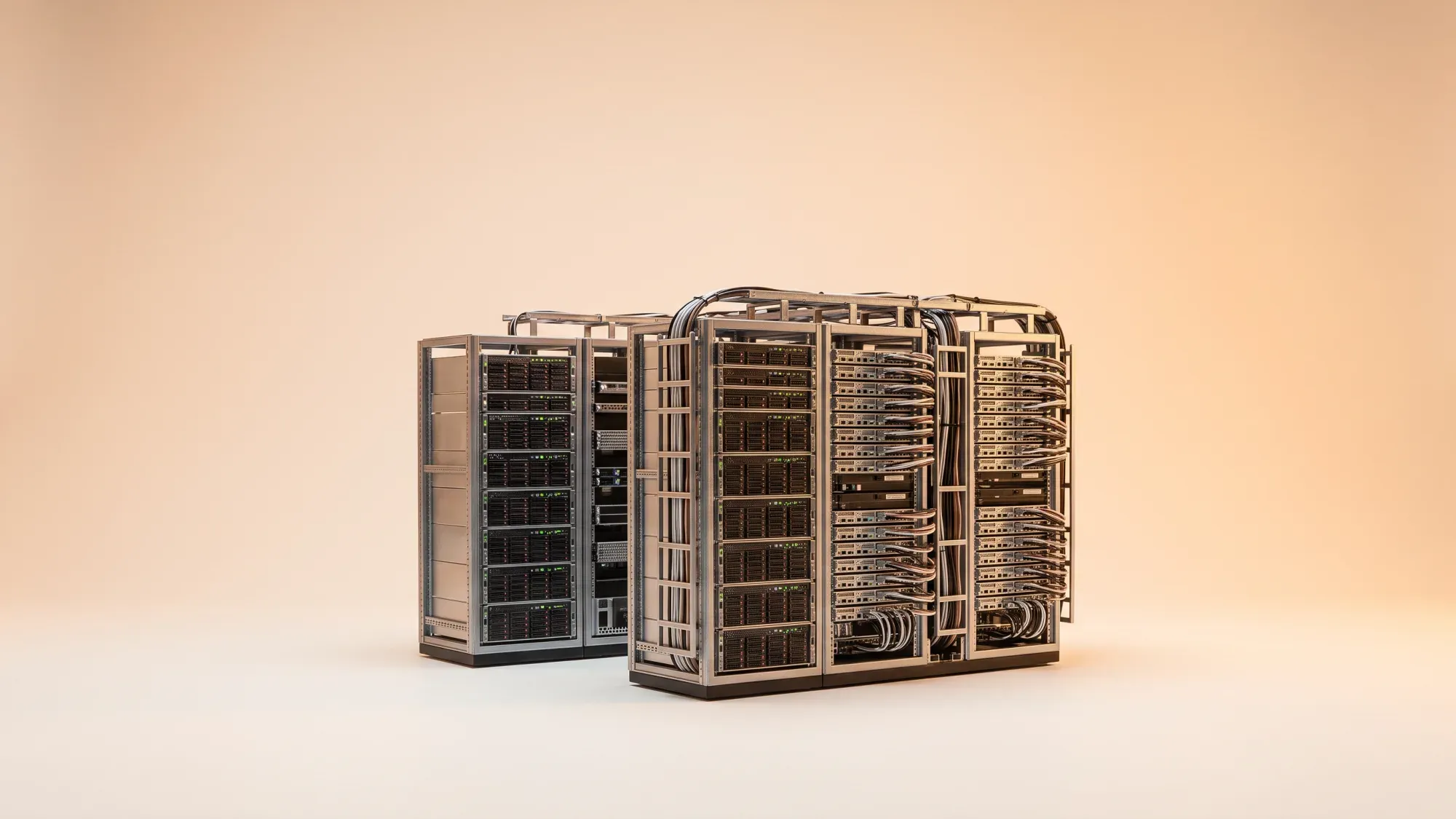
The UK's digital infrastructure is expanding rapidly, with data centres becoming critical national assets. However, their significant energy consumption and waste heat generation present both a challenge and a substantial opportunity for a more sustainable energy future. Recovering and reusing this waste heat could transform data centres from mere electricity consumers into active contributors to the UK's energy system.
To help you manage your home's energy, Fuse Energy offers clear pricing and real-time usage data through its app. Click here to switch to Fuse Energy today.
Enter your address to get a quote and see how much you could save
The growing energy footprint of UK data centres
Data centres are the backbone of the digital economy, powering everything from cloud computing to artificial intelligence. This essential infrastructure comes with a considerable energy demand, which is projected to increase dramatically in the coming years. This surge in demand highlights the urgent need for innovative approaches to energy management within the sector.
Understanding waste heat generation
The vast majority of electricity consumed by data centres is ultimately converted into heat. This heat is a byproduct of the servers and cooling systems necessary to maintain optimal operating temperatures. Traditionally, this waste heat has been expelled into the atmosphere, representing a significant loss of energy and contributing to urban heat island effects. However, this "waste" can be a valuable resource if captured and repurposed.
The drive for data centre sustainability
As data centres are now classified as Critical National Infrastructure (CNI), their environmental footprint is under increasing scrutiny, particularly in light of the UK's net-zero commitments. The industry faces pressure to meet sustainability objectives while continuing to deliver commercial demand. This drive for sustainability is pushing operators to look beyond operational efficiency and consider how their facilities can integrate more broadly into the energy landscape.
The imperative for data centre heat recovery
Recovering waste heat from data centres is not just an environmental ideal; it offers tangible benefits for the facilities themselves and the wider community.
Environmental and economic benefits
The environmental benefit of heat recovery is clear: it uses energy that has already been generated, reducing the need to burn additional fossil fuels for heating. This directly contributes to lower carbon emissions. Repurposing waste heat can support the community by providing a low-carbon heat source for nearby homes, businesses, hospitals, and schools. Data centres that share their heat could also be prioritised for grid connections. EnergiRaven estimates that waste heat from data centres could heat 3.5 million UK homes by 2035.
Reducing carbon emissions and operational costs
By integrating heat recovery systems, data centres can significantly reduce their carbon footprint. Instead of simply venting heat, they can channel it into local heat networks, displacing heat generated by gas boilers. This not only helps meet decarbonisation targets but can also offer a more stable and affordable heat supply to communities, potentially lowering energy bills for consumers.
Policy advocacy: mandatory heat recovery and 'heat highways'
Leading industry bodies are actively campaigning for policy changes to make data centre heat recovery a standard practice, not an exception.
EnergiRaven and ADE's proposals
EnergiRaven and the Association for Decentralised Energy (ADE) are advocating for mandatory heat recovery systems in all new UK data centres exceeding 1 MW capacity1. They propose that planning permission for these facilities should be contingent on integrating "heat highways" for waste heat reuse from the outset. This proactive approach aims to ensure that heat capture is considered during the design phase, rather than as a less effective retrofit.
Reclassifying data centres as active system assets
A key aspect of this advocacy is the call to reclassify data centres in energy policy. EnergiRaven and ADE argue that data centres should be recognised as active system assets, rather than solely electricity consumers. This reclassification would acknowledge their potential for heat recovery and grid flexibility, allowing them to play a more dynamic role in the UK's energy system. ADE has raised this recommendation in evidence hearings with the Environmental Audit Committee.
What is an 'active system asset' in energy policy?
An 'active system asset' refers to an energy facility that not only consumes electricity but also contributes to the stability and efficiency of the grid. For data centres, this means providing services like heat recovery for local networks or offering grid flexibility by adjusting their electricity demand in response to grid signals, rather than being solely a passive consumer.
Public opinion on waste heat reuse
Public sentiment strongly supports these proposed changes. A survey commissioned by EnergiRaven and conducted by Censuswide revealed that six in 10 Britons believe planning permission for data centres should depend on operators sharing excess heat through local heat networks. This support is consistent across the political spectrum, indicating a broad public expectation for data centres to contribute to community heating.
Integrating data centres into local heat networks
The concept of 'heat highways' is central to unlocking the full potential of data centre waste heat, creating integrated energy systems that benefit communities and industry.
The concept of 'heat highways'
'Heat highways' are essentially local heat network spines designed to transport recoverable waste heat from facilities like data centres to nearby homes, hospitals, schools, and businesses. These networks can efficiently move heat over long distances with minimal losses, similar to how the gas grid distributes natural gas. EnergiRaven believes that building these heat highways can unlock clean, low-cost heating for millions of homes across the UK.
Connecting with communities and industry
Connecting data centres to local heat networks allows them to become integral parts of community infrastructure. For example, a project in London's Old Oak and Park Royal regeneration area is set to use waste heat from data centres to supply low-carbon warmth to new homes and commercial spaces, supported by the Green Heat Network Fund. This demonstrates how data centres can directly support local decarbonisation efforts and provide affordable heating. Understanding how heat pumps work can also shed light on efficient heat distribution in such networks what is a heat pump.
Thermal storage and grid flexibility
Beyond direct heat supply, policy changes are sought to facilitate the connection of data centres with heat networks, industrial sites, and thermal storage. Thermal storage can act like a giant battery, capturing excess renewable electricity as heat when available and releasing it when needed, thereby enhancing grid flexibility. Data centres that commit to co-location with heat networks or provide grid flexibility should receive higher priority in grid connection decisions. Smart meter installations can also play a role in managing energy demand and supply smart meter installation.
"The environmental benefit comes from making use of energy that has already been generated, rather than burning additional gas to produce heat." — Simon Kerr, Head of Heat Networks at EnergiRaven
Practical considerations for implementing heat recovery
Implementing heat recovery requires careful planning and navigation of existing frameworks.
Technology options and planning
Data centre operators need to consider heat recovery and cooling requirements from the initial design stage. While retrofitting is possible, integrating heat offtake infrastructure during design is more effective. Some modern systems can recover heat at temperatures suitable for low-temperature space heating in efficient new homes, potentially without needing a heat pump.
Navigating planning permission and regulatory hurdles
The push for mandatory heat recovery means that planning permission for new data centres, especially those over 1 MW, may soon depend on robust waste heat reuse plans. Advocacy groups are working to ensure that local authorities consider data centre needs in their planning policies. Policy changes are also being sought to ensure that data centres connecting to heat networks are encouraged to use the heat, providing certainty for network operators.
The future of UK data centres in a vertically integrated energy system
The evolving role of data centres points towards a future where they are not just energy consumers but integral components of a smart, flexible, and abundant energy system.
Strategic importance for energy abundance
By transforming waste heat into a valuable resource, data centres can contribute significantly to energy abundance. EnergiRaven estimates that waste heat from data centres could heat 3.5 million UK homes by 2035. This repurposing of energy aligns with a vision where the UK can reduce reliance on traditional energy sources and foster a more resilient energy landscape.
Towards a more resilient and efficient grid
Reclassifying data centres as active system assets and integrating them into heat networks and thermal storage solutions moves the UK closer to a vertically integrated energy system. This approach allows data centres to provide flexibility services to the grid, adjusting demand in response to grid signals. Such integration is crucial for building a more resilient and efficient grid capable of supporting both growing digital demands and the broader energy transition.
Managing your home's energy bills should be clear and easy to understand. Fuse Energy focuses on straightforward pricing, so you can see exactly what you're paying without unnecessary complexity. If you have a smart meter, you can view detailed usage data through the app or website, helping you understand how you can lower your bills. Our 24/7 human support team is always on hand with fast response times whenever you need help. Click here to switch to Fuse Energy today. Find out about our mission by clicking here.
References
- Sustainability Magazine. EnergiRaven & ADE: Heat Recovery Mandate for Data Centres
Disclaimer
For the avoidance of doubt, this article is provided for informational purposes only and is not intended to constitute legal or financial advice. The author and/or Fuse Energy shall not be responsible for any losses arising out of any reliance on the information contained herein.