Window insulation film: cut heat loss
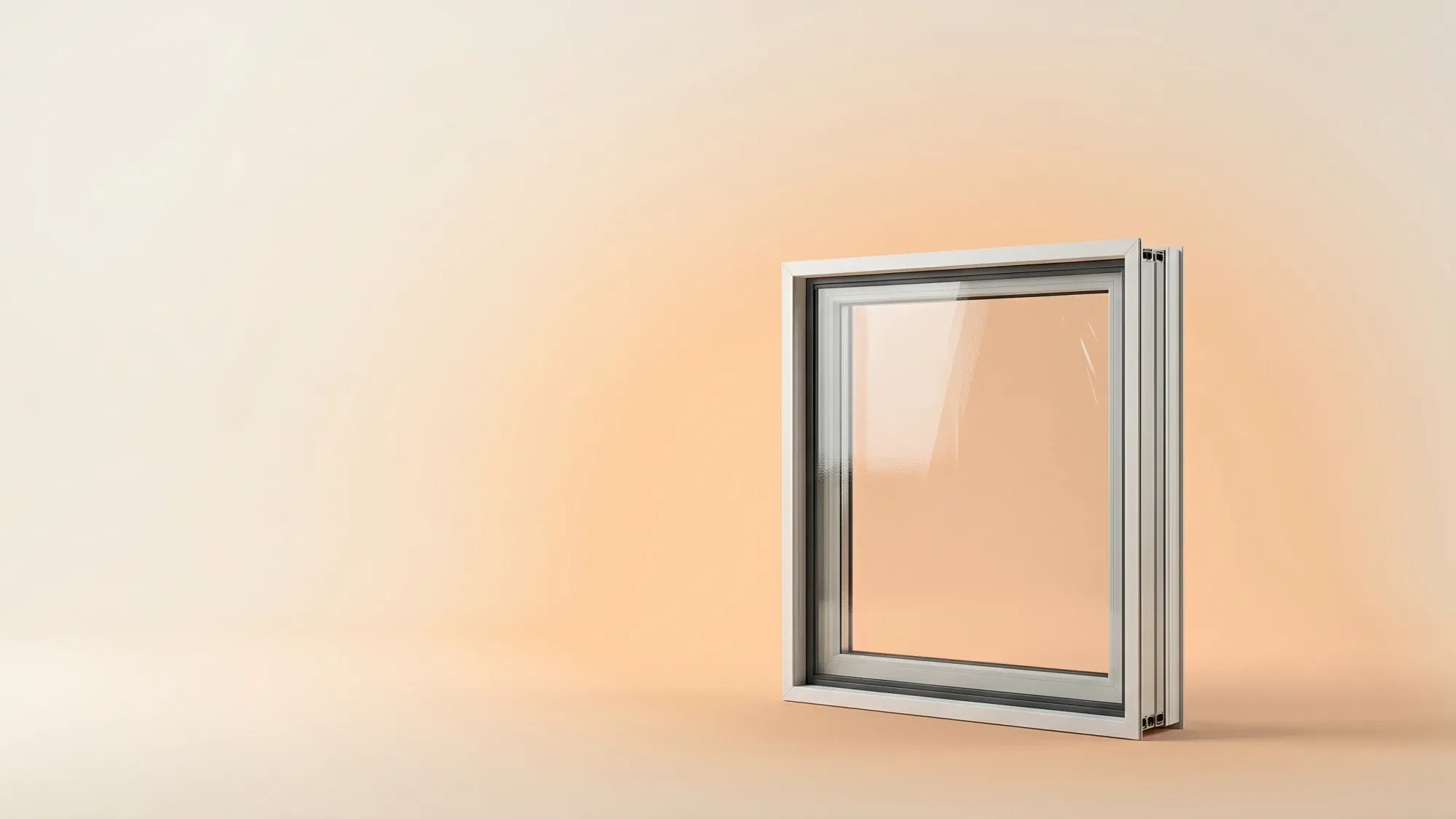
Window insulation film offers a practical, low-cost way for homeowners to tackle high heating bills and improve home comfort. By creating an additional insulating layer on your windows, this DIY-friendly solution helps reduce heat loss, making your home more energy-efficient without the need for major renovations.
Taking control of your home's energy efficiency doesn't have to mean expensive, disruptive renovations. Window insulation film is an accessible step for homeowners to reduce energy waste and gain control over their heating bills. If you're looking to make your home more energy-secure, consider switching to Fuse Energy for clear pricing and real-time usage data. Click here to switch to Fuse Energy today.
Enter your address to get a quote and see how much you could save
What is window insulation film?
Window insulation film is a thin, transparent or tinted layer, typically made of polyester, that adheres to the interior side of your window glass. Its primary function is to improve thermal insulation by reducing heat transfer through the window pane. This is often achieved by trapping a pocket of air between the film and the glass, which acts as an insulating barrier. Some films also incorporate special metallic coatings that reflect heat.
How it works to reduce heat transfer
Heat naturally moves from warmer areas to colder ones. In winter, this means warmth escapes from your heated home through the windows to the colder outside. Window insulation film works in a few ways to slow this process:
- Creating an air gap: Many films, especially shrink-fit types, create a still air pocket between the film and the glass. This trapped air is a poor conductor of heat, significantly reducing the rate at which warmth can pass through the window.
- Reflecting heat: Some advanced films feature low-emissivity (Low-E) coatings or metallic layers that reflect infrared heat. In winter, this reflects heat back into the room, keeping it warmer. In summer, the same mechanism can reflect solar heat away, helping to keep interiors cooler.
- Reducing draughts: When properly installed, the film can also help seal minor gaps around window frames, further preventing cold air infiltration and heat leakage.
Common types of film for insulation
There are several types of window insulation film available, each with slightly different properties:
- Shrink-fit film kits: These are often polyester films applied with double-sided tape around the window frame and then shrunk taut with a hairdryer. They create a clear, tight seal and an insulating air pocket. These are typically cost-effective and widely available.
- Low-E (low-emissivity) films: These films have a microscopic metallic coating that reflects radiant heat. They are effective year-round, keeping heat in during winter and out during summer, and can significantly reduce heat loss.
- Solar control films: While primarily designed to reduce solar heat gain in summer, many also offer insulating properties that help retain warmth in winter. They often block a high percentage of incoming solar energy.
Benefits for homeowners
Installing window insulation film offers several tangible benefits for homeowners, directly addressing common concerns about high energy bills and uncomfortable homes.
Reduced heat loss and improved thermal comfort
Windows are a significant source of heat loss in homes, particularly in older properties with single glazing. Studies suggest that around 15% to 30% of a home's overall heat can be lost through inefficient or poorly fitted windows and doors, with some research indicating this figure can be as high as 30% for total heat loss through windows and doors alone. Window insulation film acts as an additional barrier, reducing this heat loss and making rooms feel warmer and more comfortable. This means fewer cold spots and a more stable indoor temperature, even when the heating is on.
Potential for lower heating bills
By creating an insulating layer and reducing heat escape, window film means your heating system doesn't have to work as hard to maintain a comfortable temperature. This directly translates to lower energy consumption and, consequently, reduced heating costs. While exact savings vary, installing window insulation film can reduce heat loss through windows by 10-30%, depending on the film type and existing window efficiency. Given that the average UK home uses around 9,500 kWh of gas per year for heating, any reduction in consumption can lead to noticeable savings.
Protection against UV rays and glare
Many window insulation films also offer UV protection, blocking up to 99% of harmful ultraviolet (UV) rays. This is crucial for preventing furniture, flooring, and curtains from fading and discolouring over time, thereby extending their lifespan. Additionally, some films reduce glare, improving visual comfort, especially in rooms that receive direct sunlight or where screens are used.
Choosing the right film for your home
Selecting the appropriate window insulation film depends on your specific window type, desired benefits, and budget.
Considerations for single and double glazing
- Single glazing: If your home has single-glazed windows, insulation film is a highly effective and affordable upgrade. It can significantly improve energy efficiency, offering a cheaper alternative to investing in full double glazing.
- Double glazing: While double-glazed windows are already more efficient than single panes, some films are designed to enhance their thermal performance further. These "secondary glazing" films can be applied during colder months to optimise heat retention. However, it's crucial to choose films specifically labelled as suitable for double glazing, as some films can cause stress or damage to certain types of sealed units.
Factors like clarity, durability, and lifespan
- Clarity: Most insulation films are designed to be transparent and maintain clear views. However, some solar control or privacy films might have a slight tint.
- Durability: Look for films that are resistant to scratches and can withstand regular window cleaning.
- Lifespan: The lifespan of window film varies, but many are designed to last for several years. Shrink-fit kits are often applied seasonally.
- Ease of removal: If you're renting or prefer a temporary solution, ensure the film can be removed cleanly without leaving residue or damaging the window.
Where to buy window insulation film
Window insulation film kits are widely available from various retailers across the UK, including DIY stores and online marketplaces. Prices for standard kits typically range from around £5 to £30, offering a low-cost entry point for improving energy efficiency.
Step-by-step installation guide
Proper installation is key to the effectiveness and aesthetic appeal of window insulation film. Follow these steps for a smooth application.
Essential tools and surface preparation
Before you begin, gather your tools:
- Window insulation film kit (including film and double-sided tape)
- Measuring tape
- Scissors or a sharp utility knife
- Hairdryer (for shrink-fit films)
- Window cleaner and lint-free cloths
- Squeegee or credit card (for smoothing)
Thoroughly clean the window surface and the surrounding frame. Any dust, grease, or debris can compromise adhesion and clarity. Ensure the window is completely dry before proceeding.
Accurate measuring and cutting techniques
Measure your window pane precisely, including the frame area where the tape will be applied. For shrink-fit films, cut the film slightly larger than the window opening (allowing for a small overlap) to ensure it covers the entire area and can be securely taped. For other types of film, follow the manufacturer's specific cutting instructions.
Applying the film smoothly and securely
- Apply tape: Apply the double-sided tape provided in the kit around the perimeter of your clean window frame.
- Position film: Carefully unroll and position the film, starting from the top. Peel off the backing from the tape as you go, pressing the film firmly onto the adhesive.
- Smooth out: Work your way down and across the window, gently pulling the film taut to prevent wrinkles. Use a squeegee or credit card to smooth out any air bubbles, pushing them towards the edges.
- Trim excess: Once the film is fully adhered, use a sharp utility knife to carefully trim any excess film around the edges for a neat finish.
Troubleshooting common installation issues
- Bubbles or wrinkles: Small bubbles can often be smoothed out with a squeegee. For stubborn ones, you might gently lift a corner of the film and reapply. Wrinkles usually indicate the film wasn't pulled taut enough during application.
- Poor adhesion: Ensure the window surface and frame were thoroughly cleaned and dry. Cold temperatures can also affect adhesion, so apply in a warm room.
- Shrink-fit films: After applying, use a hairdryer on a medium setting, moving it evenly across the film. The film will visibly tighten and become smooth. Be careful not to overheat one area, which can cause damage.
Effectiveness and expected savings
Window insulation film is a cost-effective measure, but it's important to have realistic expectations about its impact.
Realistic expectations for energy reduction
While window insulation film can significantly reduce heat loss through windows (by 10-30%), it won't transform a poorly insulated home into an energy-efficient one overnight. The overall energy savings for your entire home will depend on various factors, including the existing insulation levels of your walls, roof, and floor, as well as your heating habits. It's a valuable step, but not a complete solution.
How much heat can window insulation film save?
Quality window insulation film can reduce heat loss through single-glazed windows by up to 30% by reflecting heat back into the room or creating an insulating air barrier. This can lead to noticeable savings on heating bills and improve overall home comfort, especially in older properties.
Combining film with other energy-saving measures
For maximum impact, consider combining window insulation film with other low-cost, DIY energy-saving measures:
- Draught-proofing: Seal gaps around doors, letterboxes, and floorboards.
- Loft insulation: Ensure your loft is adequately insulated to prevent heat rising and escaping.
- Curtains and blinds: Use thick curtains or thermal blinds to add another layer of insulation, especially at night.
- Smart heating controls: Optimise your heating schedule and temperature settings to avoid wasting energy.
Is window insulation film worth it?
For many homeowners, particularly those in older properties with single glazing or inefficient double glazing, window insulation film represents a worthwhile investment.
Analysing the cost versus long-term benefits
With kits typically costing from around £5 to £30, the initial outlay is minimal. Given the potential to reduce heat loss through windows by 10-30%, the film can lead to noticeable savings on heating bills, especially during colder months. Many users report seeing a return on their investment within a few years. It's a low-risk, high-reward option for those looking to take immediate action on their energy consumption.
Impact on home value and comfort
While window insulation film is unlikely to significantly increase your property's market value in the way new double glazing might, it undeniably improves the comfort of your home. Warmer rooms, fewer draughts, and reduced UV fading all contribute to a more pleasant living environment. This enhanced comfort, combined with lower heating bills, makes it a valuable upgrade for your day-to-day living.
Managing your energy bills should be clear and easy to understand. Fuse Energy focuses on straightforward pricing, so you can see exactly what you're paying without unnecessary complexity. If you have a smart meter, you can view detailed usage data through the app or website, helping you understand how you can lower your bills. If you don't have a smart meter, Fuse Energy can upgrade your non-smart meter, completely for free. This can make it easier to track spending and make informed decisions about your energy use. Our 24/7 human support team is always on hand with fast response times of under 5 minutes whenever you need help. Click here to switch to Fuse Energy today. Find out about our mission by clicking here.
Disclaimer
For the avoidance of doubt, this article is provided for informational purposes only and is not intended to constitute legal or financial advice. The author and/or Fuse Energy shall not be responsible for any losses arising out of any reliance on the information contained herein.