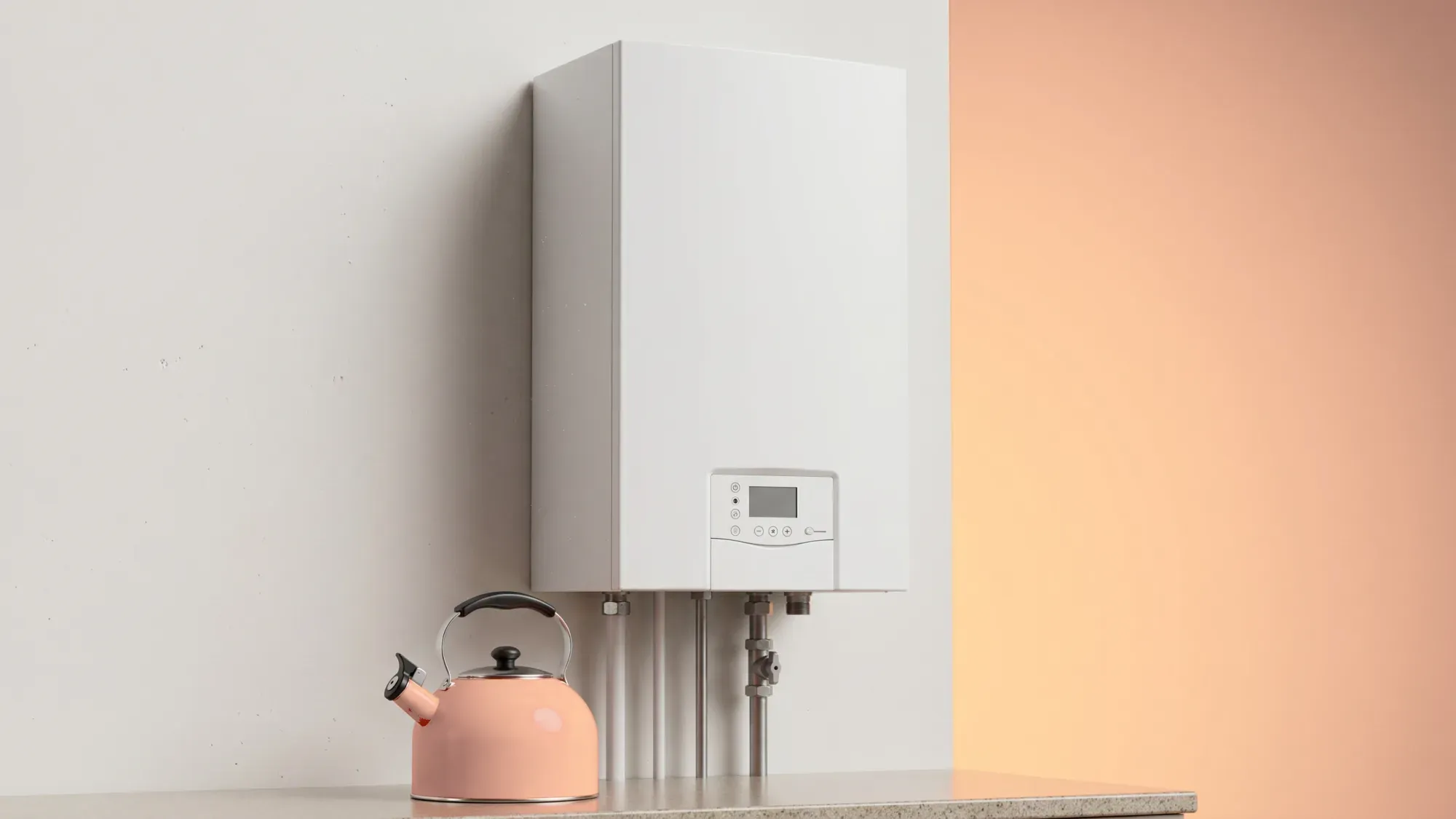
Replacing your boiler is a significant decision for any homeowner, but it can be a strategic move to unlock cheaper, more abundant home energy. Understanding the signs of an ageing system and the benefits of modern, efficient alternatives can empower you to make a proactive choice that saves money and enhances comfort in the long run.
Understanding your boiler's lifespan
How long do boilers typically last?
A boiler is one of the hardest-working appliances in your home, and like any machine, it has a finite lifespan. In the UK, the average lifespan for a boiler typically ranges from 10 to 15 years. While some well-maintained boilers can last longer, their efficiency often declines significantly after this period. As a boiler ages, it becomes less efficient, takes longer to heat up, and is more prone to frequent breakdowns.
Factors affecting boiler longevity
Several factors influence how long your boiler will reliably serve your home. The quality of the boiler itself, the standard of its initial installation, and crucially, regular annual servicing all play a significant role. Poor maintenance can lead to issues like limescale or sludge build-up, which can cause corrosion and blockages, shortening the boiler's life expectancy. The type of boiler - combi, system, or conventional - does not inherently dictate its lifespan, but rather the quality of the manufacturer and how well it is cared for.
Key warning signs your boiler needs replacing
Ignoring the subtle hints your boiler gives can lead to inconvenient and costly breakdowns. Being aware of these warning signs can help you act before a minor issue becomes a major problem.
Frequent breakdowns and costly repairs
If your boiler requires frequent repairs, or if the cost of a single repair is approaching half the price of a new unit, it is a clear signal that replacement might be more economical in the long run. Older boilers often have parts that are harder to source, making repairs more expensive and time-consuming.
Decreased efficiency and higher energy bills
An older boiler, especially one over 10 years old, may be operating at significantly lower efficiency. While modern condensing boilers can achieve over 90% efficiency, older models may operate at 60-70% efficiency. This means a substantial portion of the energy you pay for is wasted, directly translating to higher energy bills.
Unusual noises or smells
Banging, gurgling, or whistling noises coming from your boiler can indicate issues such as limescale build-up, a failing pump, or air in the system. Strange smells, particularly a metallic or sulphurous odour, should be investigated immediately by a Gas Safe registered engineer.
Inconsistent heating or hot water
If your radiators are not heating evenly, or if your hot water runs cold unexpectedly, your boiler may be struggling to keep up with demand or experiencing internal faults. This can be a sign of a failing heat exchanger or other critical components.
Visible leaks or corrosion
Any visible leaks around your boiler or pipework, or signs of corrosion, are serious issues that require immediate attention. Leaks can cause water damage and indicate internal component failure, while corrosion can compromise the structural integrity of the boiler.
Repair vs replace: making the financial decision
Deciding whether to repair your existing boiler or invest in a new one often comes down to a careful financial assessment.
Calculating the cost of ongoing repairs
Consider not just the immediate repair cost, but the cumulative expense of multiple call-outs and replacement parts over a year or two. If your boiler is out of warranty and repairs are becoming a regular occurrence, these costs can quickly add up, making a new boiler a more sensible investment.
Long-term savings with a new boiler
The upfront cost of a new boiler can be significant, but the long-term savings on energy bills can be substantial. Replacing an old, inefficient boiler with a new A-rated condensing boiler could save a typical household up to £540 annually on energy bills, according to the Energy Saving Trust. This saving, combined with reduced repair costs and increased reliability, often outweighs the initial investment over the lifespan of the new boiler.
Considering the age of your boiler
As a rule of thumb, if your boiler is over 10 years old and experiencing issues, replacement is generally recommended. The efficiency drop-off and increased likelihood of expensive repairs make older boilers a less reliable and more costly option in the long run.
How much more efficient are new boilers?
Modern A-rated condensing boilers typically achieve over 90% efficiency, meaning more than 90p of every pound spent on fuel is converted into usable heat. Older boilers, particularly those over 10-15 years old, often operate at 60-80% efficiency, wasting significantly more energy.
The benefits of a new, efficient boiler
Investing in a new boiler is more than just replacing an old appliance; it is a strategic 'power play' for your home energy.
Enhanced energy efficiency and lower bills
New boilers are designed to be highly efficient, converting more fuel into heat and significantly reducing energy waste. This directly translates to lower monthly energy bills, freeing up resources and providing 'power to play with'. Understanding your energy usage can be further enhanced by reviewing your energy bill.
Improved reliability and peace of mind
A new boiler comes with a fresh warranty, offering years of reliable heating and hot water without the worry of unexpected breakdowns. This peace of mind is invaluable, especially during colder months.
Better control with smart technology
Modern boilers, particularly combi boilers, are often installed with advanced controls. Boiler Plus regulations, introduced in April 2018 in England, require new combi boiler installations to include at least one additional energy-saving measure, such as a smart thermostat with automation and optimisation features. These smart controls offer superior capability and transparency in managing home heating, allowing you to tailor your heating schedule and temperature more precisely, often remotely via an app.
Environmental impact
By reducing your energy consumption, a new, efficient boiler also lowers your home's carbon footprint. This contributes to a more sustainable future and aligns with broader efforts to rebuild the energy system from scratch with abundant, clean energy.
Navigating the boiler replacement process
Once you have decided to replace your boiler, understanding the process can help ensure a smooth transition.
Choosing the right boiler type
Consider your home's size, hot water demands, and available space when choosing between a combi, system, or conventional boiler. A qualified installer can help you assess the best fit for your needs.
Understanding boiler Plus regulations
Boiler Plus regulations, in effect since April 2018 in England, mandate specific energy efficiency standards for new boiler installations. All new gas and oil boilers must achieve a minimum 92% ErP efficiency rating and be fitted with time and temperature controls. For combi boilers, an additional energy-saving measure, such as a smart thermostat with automation and optimisation, is also required.
Finding a qualified installer
Always use a Gas Safe registered engineer for gas boiler installations. They will ensure the work is carried out safely and to the required standards, including compliance with Boiler Plus regulations. Obtain multiple quotes to compare prices and services.
Making a power play for your home energy
Replacing your boiler is more than just a home improvement; it is an empowering 'power play' for homeowners. It is about gaining greater control over your energy consumption and associated costs, moving from a reactive stance to a proactive one.
Proactive replacement for long-term gains
By replacing your boiler before it completely fails, you avoid emergency costs and inconvenience. Instead, you invest in long-term financial surplus through reduced energy bills and enjoy enhanced comfort and reliability. This strategic move aligns with Fuse's vision of providing 'power to play with' - making energy abundant and invisible.
Integrating with smart home energy systems
Modern, efficient boilers, especially when integrated with smart controls, offer superior capability and transparency in managing home heating. This aligns with Fuse's app-driven approach to energy management, allowing you to optimise your energy use and contribute to a more modern and efficient home energy system. You can also pair this with a smart meter installation to track your usage in real-time.
For the avoidance of doubt, this article is provided for informational purposes only and is not intended to constitute legal or financial advice. The author and/or Fuse Energy shall not be responsible for any losses arising out of any reliance on the information contained herein.