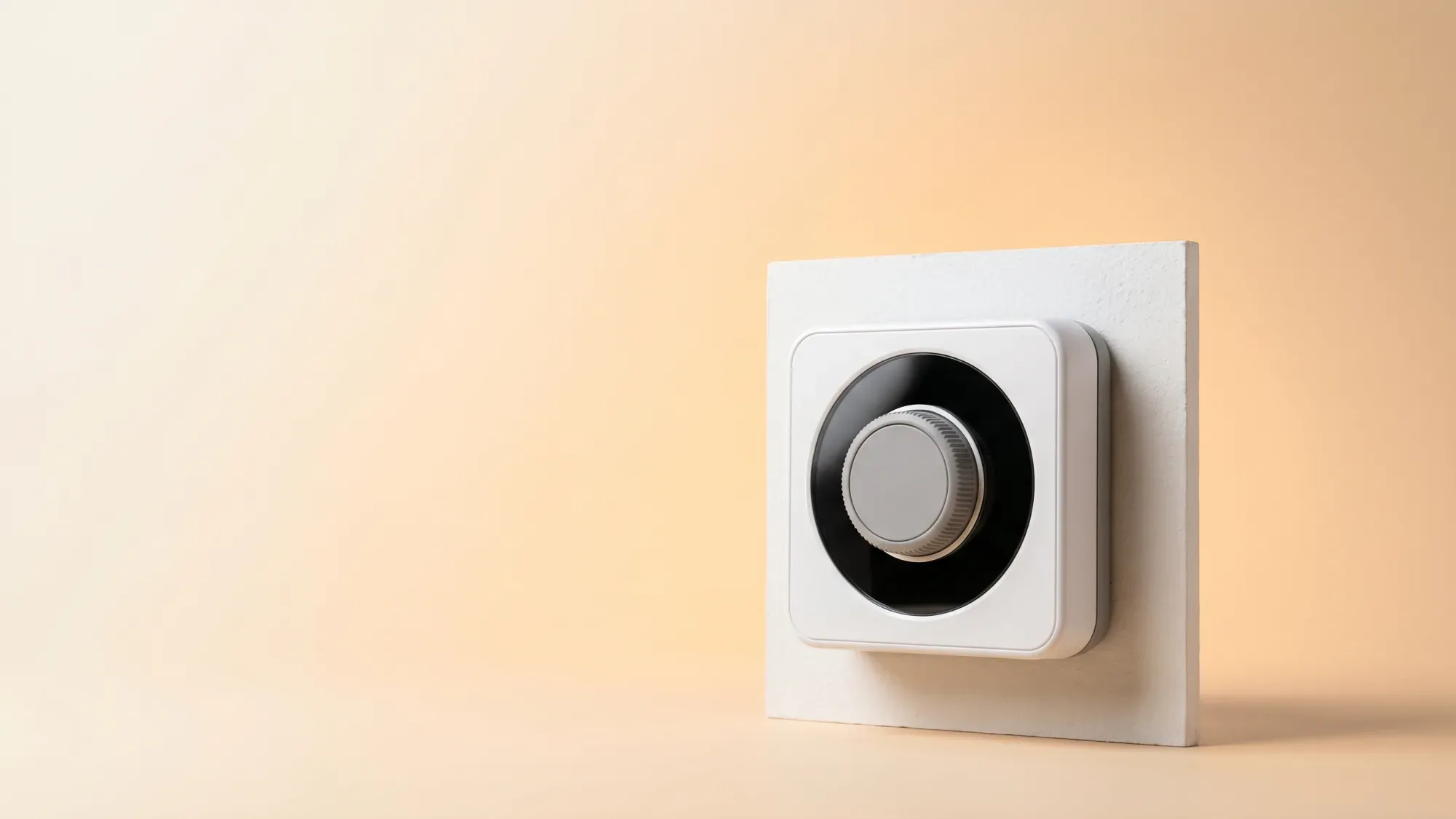
Smart thermostats are intelligent devices that allow you to control your home's heating system more efficiently and conveniently than traditional models. They connect to your home's Wi-Fi network and are typically managed through a dedicated smartphone application, giving you remote control over your heating from anywhere with an internet connection. This technology aims to enhance comfort and reduce energy waste.
Understanding how smart thermostats work can help you manage your home's energy more effectively. While Fuse Energy focuses on supplying your home's energy, using smart devices can complement your tariff and help reduce consumption. Click here to switch to Fuse Energy today.
Beyond basic programming
Unlike basic programmable thermostats that follow a fixed schedule, smart thermostats offer a dynamic approach to home heating. They go beyond simple timers by incorporating advanced features that adapt to your lifestyle and external factors. This means less manual adjustment and more intelligent heating.
Core components
A smart thermostat typically consists of a wall-mounted control unit, a receiver connected to your boiler, and a smartphone application. The control unit allows for direct temperature adjustments, while the receiver communicates with your heating system. The app serves as your primary interface for remote control, scheduling, and accessing advanced features.
Connecting to your home
Smart thermostats connect to your home's Wi-Fi network, enabling communication with your smartphone or other smart home devices. This connectivity is fundamental to their "smart" capabilities, allowing for remote adjustments and data exchange.
Intelligent control mechanisms
These devices employ various intelligent control mechanisms. Many use learning algorithms to understand your preferences and home's heating patterns, automatically adjusting schedules over time. Geofencing, another common feature, uses your phone's location to determine if you are home or away, adjusting the heating accordingly to avoid warming an empty house.
Smart thermostats offer a range of features designed to make home heating more efficient and comfortable, particularly relevant for UK households looking to manage energy costs.
Remote control and scheduling
One of the primary benefits is the ability to control your heating remotely via a smartphone app. This means you can adjust the temperature before you arrive home or turn it off if you have unexpectedly gone out. Advanced scheduling allows for custom heating patterns that can be easily modified, adapting to changes in your routine.
Geofencing and learning capabilities
Geofencing can automatically lower the temperature when the last person leaves home and raise it when the first person returns. Learning thermostats observe your habits and the time it takes to heat your home, then create an optimised schedule. These features work together to ensure you are only heating your home when necessary.
Energy efficiency and cost savings
Smart thermostats can significantly contribute to energy efficiency by optimising heating schedules and temperatures, potentially leading to lower heating bills. According to Ofgem1, the average UK home uses around 2,500 kWh of electricity and 9,500 kWh of gas per year. By intelligently managing heating, these devices help reduce unnecessary energy consumption. For instance, the electricity unit rate under the Ofgem price-cap default tariff for 1 July to 30 September 2026 is 26.11p per kWh (inclusive of 5% VAT). Reducing consumption directly impacts these costs.
Integration with smart home systems
Many smart thermostats integrate with broader smart home ecosystems, allowing them to work alongside other devices like smart lighting or voice assistants. This can create a more cohesive and automated home environment, where heating responds to various triggers and commands.
Before investing in a smart thermostat, it is crucial to consider installation requirements and compatibility with your existing heating system.
Checking system compatibility
Not all smart thermostats are compatible with every heating system. Some are designed for conventional boilers, while others work with combi boilers, electric heating, or underfloor heating. Always check the thermostat's specifications against your current setup. Some systems may require a specific wiring configuration or a common wire (C-wire) for power.
Professional vs DIY installation
While some smart thermostats are marketed as DIY-friendly, others may require professional installation, especially if complex wiring or system integration is involved. If you are unsure, consulting a qualified electrician or heating engineer is advisable to ensure safe and correct setup.
Smart meters and smart thermostats
The UK's smart meter rollout aims to offer every home a smart meter. While distinct from smart thermostats, smart meters can enhance the functionality and data insights available from some smart thermostats by providing detailed energy consumption data. This can help you understand your usage patterns better and make more informed decisions about your heating.
To truly benefit from a smart thermostat, active management and optimisation are key.
Optimising settings for savings
Once installed, take the time to configure your thermostat's settings, schedules, and smart features via its app. Experiment with different temperatures and schedules to find the balance between comfort and energy savings. Monitoring your energy usage through the app can help you identify areas for further optimisation.
Future-proofing your home heating
Smart thermostats represent a step towards a more intelligent and energy-efficient home. By embracing these technologies, you gain greater control over your home heating, aligning with a vision of making energy management effortless and abundant. This precise control allows you to have more comfort and convenience without unnecessary energy waste.
Fuse Energy empowers you with greater control over your home heating. While Fuse does not sell, install, or directly support smart thermostat hardware, these devices are an essential component in a modern home energy ecosystem. They enable you to fully leverage Fuse's energy supply and digital tools for optimal heating control and to maximise potential energy savings. Switching to Fuse is quick and easy, offering clear pricing, real-time usage data, and 24/7 human support. Click here to switch to Fuse Energy today and take control of your energy bills.