Types of solar panels for UK homes
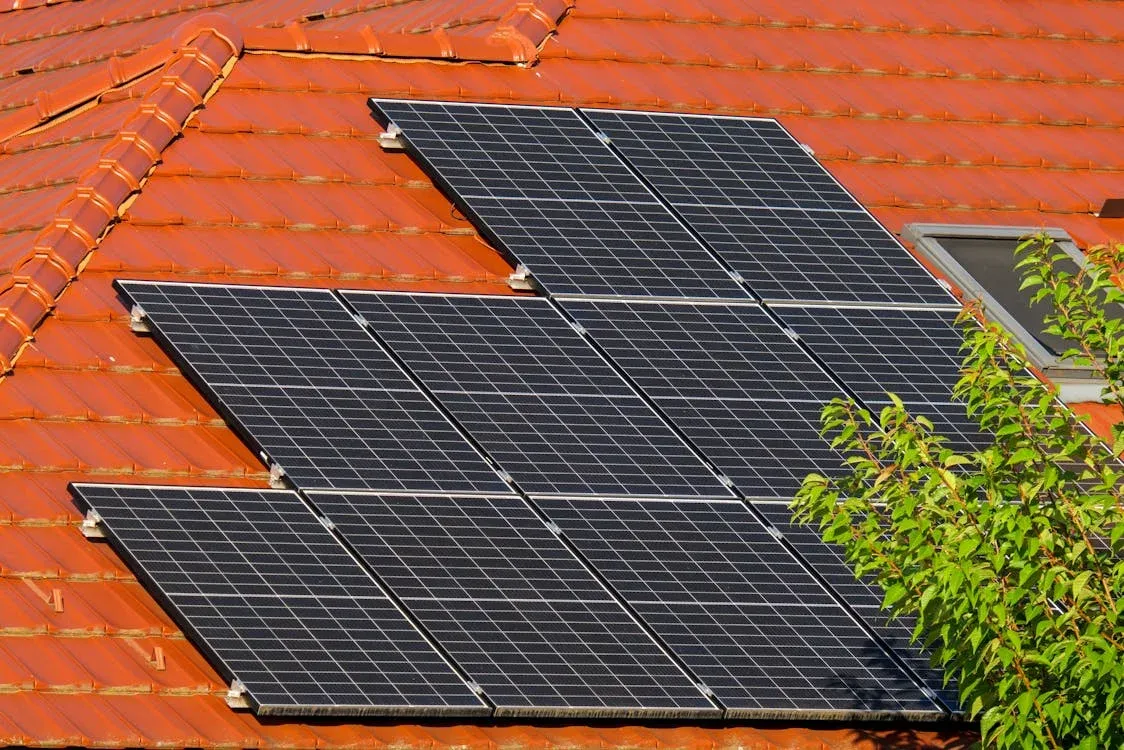
As a UK homeowner, exploring solar energy is a smart move towards a greener, more cost-effective future. But with various types of solar panels on the market, choosing the best option for your property can feel a bit overwhelming. This guide will walk you through the different types of solar panels available, helping you understand their unique features, how they perform in the UK climate, and ultimately, which type of solar panel is best suited for your home. We'll simplify the complexities so you can make an informed decision about generating your own clean electricity.
Considering solar panels for your home? With Fuse Energy, you get clear pricing, real-time usage data, 24/7 human customer support, and a modern energy experience designed around you. Switching takes as little as 3 minutes, so you can take control of your bills from day one. Click here to switch to Fuse Energy today and start saving.
Understanding the main types of solar panels
When considering solar for your property, you'll primarily encounter three types of solar panels. Each offers distinct advantages in terms of efficiency, cost, and appearance. Knowing what these are is the first step in deciding which type of solar panel is right for you.
Monocrystalline solar panels: high efficiency for UK roofs
Monocrystalline solar panels are easily recognisable by their uniform, dark black appearance. Made from a single, pure crystal of silicon, these panels are known for their high efficiency, typically ranging from 17% to 22%. This makes them an excellent choice for UK roofs where space might be limited, as they can generate more power from a smaller footprint. Their performance in lower light conditions, common in the UK, is also generally strong. If you're looking for maximum power output and a sleek aesthetic, monocrystalline panels are often the preferred type of solar panel.
Polycrystalline solar panels: a cost-effective choice
Polycrystalline solar panels, sometimes called multi-crystalline, have a slightly speckled, blue appearance. They are manufactured from multiple silicon fragments melted together, a process that makes them more cost-effective to produce than their monocrystalline counterparts. While their efficiency is typically a bit lower (15% to 17%), they still offer a robust performance and a good return on investment. For homeowners with ample roof space and a keen eye on the budget, polycrystalline panels present a very attractive and reliable option.
Thin-film solar panels: flexible solutions
Thin-film solar panels are the third main type, though less common for residential UK installations. These panels are made by depositing thin layers of photovoltaic (PV) material onto a substrate, making them much more flexible and lightweight than crystalline panels. Their efficiency is generally lower (around 10% to 13%), and they require a larger area to produce the same amount of power. However, their flexibility means they can be integrated into unconventional surfaces, offering unique architectural possibilities. They can also perform well in high temperatures and diffuse light, which is a consideration for some UK properties.
Comparing solar panel types: efficiency, cost, and UK performance
Choosing the best type of solar panel involves weighing up several factors. Understanding the different types of solar panels and how they stack up against each other in terms of key metrics is crucial for UK homeowners.
Which type of solar panel is best for your home?
The best type of solar panel for your home depends on your specific circumstances. For many UK homeowners, monocrystalline panels are often the top choice due to their high efficiency and compact size, making them ideal for smaller roofs or those aiming for maximum energy generation. If budget is a primary concern and you have plenty of roof space, polycrystalline panels offer a solid, cost-effective solution. Thin-film panels, while less efficient, might be considered for unique architectural integration or specific light conditions. Consider your roof size, budget, aesthetic preferences, and how much energy you aim to generate.
Beyond the basics: degradation, warranties, and emerging technologies
Beyond initial efficiency and cost, it's important to look at the long-term picture. All solar panels experience some degradation over time, meaning their power output slowly decreases. Reputable manufacturers offer performance warranties, typically guaranteeing around 85% of original output after 25 years. Product warranties cover manufacturing defects, usually for 10 years1. Always check these details. You might also hear about emerging technologies, such as hybrid solar panels (PVT), which generate both electricity and heat. While not yet mainstream for UK homes, these innovations continue to push the boundaries of solar energy.
Making an informed decision for your UK property
Selecting the right solar panels for your UK property is a significant investment that pays dividends in energy savings and environmental benefits. By understanding the core differences between monocrystalline, polycrystalline, and thin-film options, you're well-equipped to make a choice that aligns with your home's needs and your budget.
Your choice of solar technology directly impacts your energy generation and, consequently, your energy bills. Choose an MCS and TrustMark certified installer. They should handle planning approvals, DNO applications, paperwork, installation and final checks. By providing clear, unbiased information on types of solar panels, we empower you to make informed decisions about your energy generation. This knowledge helps you better manage your overall energy consumption and costs, especially when integrated with our smart meter services and billing solutions.
Managing your energy bills should be clear and easy to understand. Fuse Energy focuses on straightforward pricing, so you can see exactly what you're paying without unnecessary complexity. If you have a smart meter, you can view detailed usage data through the app or website, helping you understand how you can lower your bills. If you don't have a smart meter, Fuse Energy can upgrade your non-smart meter, completely for free. This can make it easier to track spending and make informed decisions about your energy use. Our 24/7 human support team is always on hand with fast response times of under 5 minutes whenever you need help. Click here to switch to Fuse Energy in as little as 3 minutes. Find out about our mission by clicking here.
References
- The Renewable Energy Hub. Solar Panel Warranty and Guarantees for the UK
Disclaimer
For the avoidance of doubt, this article is provided for informational purposes only and is not intended to constitute legal or financial advice. The author and/or Fuse Energy shall not be responsible for any losses arising out of any reliance on the information contained herein.