What is space-based power?
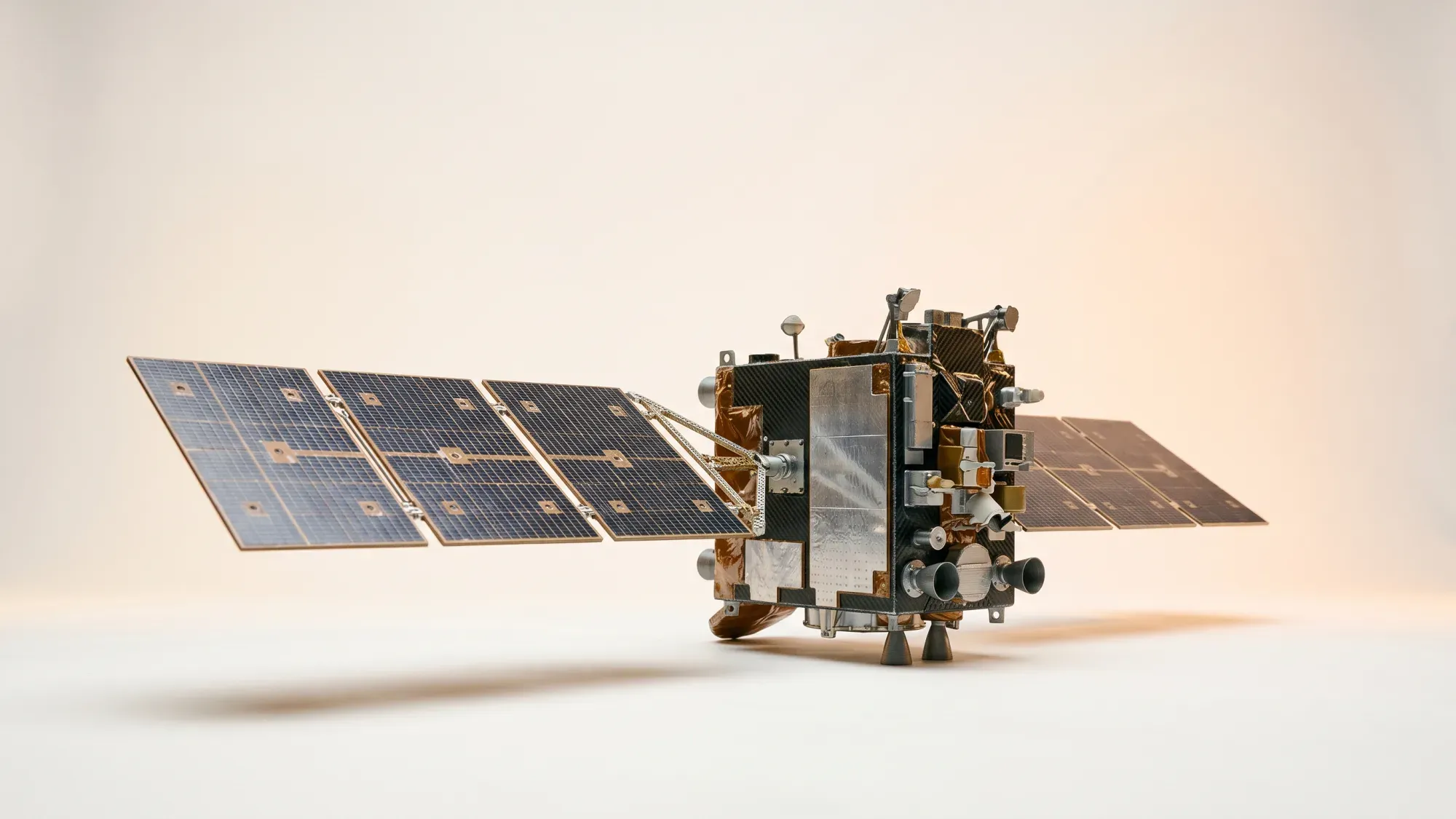
Space-based power, particularly space-based solar power (SBSP), offers a compelling vision for a future where energy is abundant and continuously available. This innovative approach involves collecting solar energy in Earth's orbit and transmitting it wirelessly to the ground, overcoming the inherent intermittency of terrestrial renewable sources like solar and wind. It represents a long-term strategic investment in energy security, aligning with a future where power is so plentiful it ceases to be a daily concern.
At Fuse Energy, we believe in building a future with power to play with, where energy abundance empowers everyone. While space-based power is a long-term vision, we're focused on making energy more accessible and affordable for your home today. Click here to switch to Fuse Energy and start your journey towards smarter energy management.
Enter your address to get a quote and see how much you could save
What is space-based power?
Space-based solar power is an emerging technology designed to harvest the sun's energy in space and beam it to Earth as a continuous, 24/7 energy source. Unlike solar panels on Earth, SBSP systems are unaffected by night, adverse weather conditions, or atmospheric interference, ensuring a consistent power supply. This concept has been explored for decades, with renewed interest driven by global energy demands and climate targets.
Defining space-based solar power (SBSP)
SBSP involves deploying large solar arrays in high Earth orbit, typically geostationary orbit (GEO), where they receive uninterrupted sunlight for over 99% of the year. This constant exposure allows for significantly higher energy generation per square metre compared to ground-based systems. The collected solar energy is then converted into a form suitable for transmission back to Earth.
A vision for continuous energy
The core promise of SBSP is its ability to provide continuous, baseload power, a characteristic traditionally associated with fossil fuels or nuclear energy. This uninterrupted supply could revolutionise global energy systems, offering a reliable and clean source of electricity that is always on, regardless of the time of day or seasonal changes.
How does space-based power work?
An SBSP system is composed of several key elements working in concert across vast distances, from orbit to the ground.
Collecting solar energy in orbit
At the heart of SBSP are massive solar arrays deployed on satellites in geostationary orbit, approximately 36,000 kilometres above the Earth. These satellites are designed to capture solar energy efficiently, often using lightweight solar panels and sometimes mirrors to concentrate sunlight. The electricity generated on the satellite is then prepared for transmission.
Transmitting power to Earth
Once collected, the solar energy is converted into high-frequency radio waves, typically microwaves, or laser beams. These energy beams are then directed precisely towards receiving stations on Earth. To ensure safety and accuracy, a secure pilot beam is transmitted from the ground to the satellite, allowing the microwave beam to lock onto the correct point. The intensity of the microwave beam is designed to be safe, often compared to about a quarter of the strength of the midday sun.
Ground-based receiving stations
On Earth, the transmitted energy is captured by ground-based receiving stations known as 'rectennas' (rectifying antennas). These rectennas convert the electromagnetic energy back into direct current electricity, which can then be fed into the National Grid. Rectennas are typically large, mesh-like structures that are relatively inexpensive to build and can even allow for dual land use, such as farming beneath them, due to their largely transparent nature.
The potential benefits of space-based power
Space-based power presents several significant advantages that could reshape the global energy landscape, offering a pathway to a more sustainable and secure future.
Uninterrupted clean energy supply
One of the most transformative benefits of SBSP is its ability to provide a continuous, dispatchable energy supply. Unlike terrestrial solar and wind, which are intermittent, SBSP systems in geostationary orbit can collect solar energy 24 hours a day, 7 days a week, unaffected by weather patterns or the day-night cycle. This constant stream of clean energy mitigates the need for extensive energy storage systems, which are often required to balance intermittent renewable sources on Earth. For more on how solar energy works, you can read about solar panel installation.
Reducing carbon emissions
By providing a substantial source of clean, carbon-free electricity, SBSP has the potential to significantly reduce greenhouse gas emissions and aid in the transition to a net-zero carbon future. Its operation in space means it bypasses atmospheric interference and requires less land usage than conventional terrestrial renewables, freeing up valuable land.
Energy security and independence
A reliable and continuous energy supply from space could greatly enhance a nation's energy security and independence. SBSP systems could reduce reliance on volatile fossil fuel markets and provide power to remote or disaster-stricken areas where traditional infrastructure is difficult to deploy. The flexibility of being able to instantly switch the energy beam to different points within a quarter of the Earth's surface also allows for optimising energy systems internationally.
Key challenges and hurdles to overcome
While the potential of space-based power is immense, its realisation faces considerable technical, economic, and regulatory challenges that demand rigorous attention and long-term commitment.
Engineering and deployment complexity
Deploying and maintaining large-scale infrastructure in space presents immense engineering challenges. Satellites for SBSP would be enormous, with some designs proposing structures up to 1.7 km in diameter. These systems would need to be assembled and maintained autonomously in orbit, operating flawlessly across vast distances. The sheer mass and size would require multiple sustained space missions for launch and assembly, pushing the boundaries of current space technology.
Cost and economic viability
The initial costs associated with developing and deploying SBSP systems are substantial, requiring significant upfront investment. Launch costs are a major factor, often accounting for over 50% of the variance in the levelised cost of electricity (LCOE) . While studies suggest that costs could become competitive with other technologies by 2040 if launch expenses fall as forecast, current estimates indicate that SBSP designs are significantly more expensive than terrestrial alternatives.
Regulatory and environmental considerations
The operation of SBSP systems necessitates complex international regulatory frameworks. Issues such as orbital slot allocation, energy transmission frequencies, and ensuring safe operation are crucial. The International Telecommunications Union (ITU), a UN agency, is responsible for assigning orbital and electromagnetic spectrum positions, and clear guidelines will be needed to manage potential conflicts with communication satellites.
Furthermore, there are environmental considerations. The numerous rocket launches required for deployment will produce emissions, and the sheer scale of the satellites could contribute to space debris, increasing the risk of collisions. Ground-based environmental concerns also include the size of the rectennas and potential orbital light pollution.
The UK's role in space-based power development
The UK government is actively exploring space-based solar power, recognising its potential contribution to future energy security and net-zero targets.
Government initiatives and funding
The UK government has provided funding for space-based solar power innovators and conducted feasibility studies to assess the opportunity and pathway to deployment. An independent study in 2021 found SBSP to be technically feasible, potentially economically competitive, and aligned with UK government priorities. In June 2023, £4.3 million in government funding was awarded to UK universities and tech companies to drive innovation in the sector. This investment supports projects developing ultra-lightweight solar panels, wireless power transmission systems, and studies on integrating space-generated electricity into the National Grid.
UK companies leading the way
Several UK entities are at the forefront of SBSP development. Companies like Space Solar are working on commercial-scale space-based solar power, aiming to provide clean and affordable energy from space. Space Solar, based in Harwell, Oxfordshire, has received government funding and is collaborating with partners like Thales Alenia Space to develop systems such as CASSIOPeiA, a leading baseload solar power satellite design. Universities such as Cambridge, Queen Mary University of London, Imperial College London, and the University of Bristol are also involved in research and development, focusing on critical technologies like advanced solar panels and wireless power transfer.
Strategic importance for the UK
The UK views SBSP as having huge potential to boost its energy security, reduce reliance on fossil fuels, and contribute to its net-zero goals. Government studies suggest that space-based solar power could generate a significant portion of the UK's electricity demand by 2050, potentially creating a multi-billion-pound industry and thousands of jobs. This strategic focus positions the UK as a potential "first mover" in this rapidly emerging industry.
Space-based power and the future of energy
Space-based power is not a short-term fix for immediate energy needs but a long-term strategic investment that could fundamentally alter our relationship with energy.
A long-term vision for abundance
The pursuit of space-based power aligns with a broader vision of energy abundance, where energy is so plentiful it ceases to be a limiting factor in human progress. This technology represents a compelling step towards a future where energy is not a scarce resource to be managed with guilt, but a readily available utility that empowers individuals and societies. It embodies the idea of "power to play with," fostering innovation and enabling ambitious projects without the constant arithmetic of energy costs. You can learn more about the broader future of energy and how it impacts your home.
Integrating with terrestrial energy systems
While space-based power offers a revolutionary approach, it is envisioned as a complementary, rather than replacement, technology for terrestrial energy systems. Electricity from orbital power stations would be integrated seamlessly into existing national grids, working alongside other low-carbon sources like ground-based solar, wind, and nuclear. This integration would enhance grid stability and resilience, providing a reliable baseload that can support the expansion of intermittent renewables. The average UK home uses around 2,700 kWh of electricity per year, and a future energy mix with SBSP could ensure this demand is met with clean, continuous power.
Fuse Energy champions the rebuilding of the energy system from fundamental principles, and space-based power exemplifies this at a grand scale. While Fuse Energy does not currently develop or directly invest in space-based power technologies, focusing instead on terrestrial solar, storage, and nuclear fusion research, it embraces the ambitious spirit of exploring such technologies. This commitment reflects a core belief in never settling for the status quo in energy provision, pushing towards a "good timeline" where energy abundance is a reality.
Managing your home's energy should be simple and transparent. Fuse Energy offers clear pricing, real-time usage data through our app, and 24/7 human customer support to help you take control of your bills. We're building an energy system that works for you, making energy abundant and easy to manage. Discover our mission to transform energy by clicking here, or switch to Fuse Energy today and experience the difference.
Disclaimer
For the avoidance of doubt, this article is provided for informational purposes only and is not intended to constitute legal or financial advice. The author and/or Fuse Energy shall not be responsible for any losses arising out of any reliance on the information contained herein.