What are solar roof tiles and how do they work?
Considering a greener home? Solar roof tiles offer a sleek, integrated way to generate your own electricity. This guide explains how they work, what to consider for your UK home, and how Fuse Energy can help you maximise your investment.
If you're looking into solar roof tiles to generate your own electricity, managing that energy efficiently is key. With Fuse Energy, you get clear pricing, real-time usage data, 24/7 human customer support, and a modern energy experience designed around you. Switching takes as little as 3 minutes, so you can take control of your bills from day one. Click here to switch to Fuse Energy today and start saving.
What are solar roof tiles and how do they work?
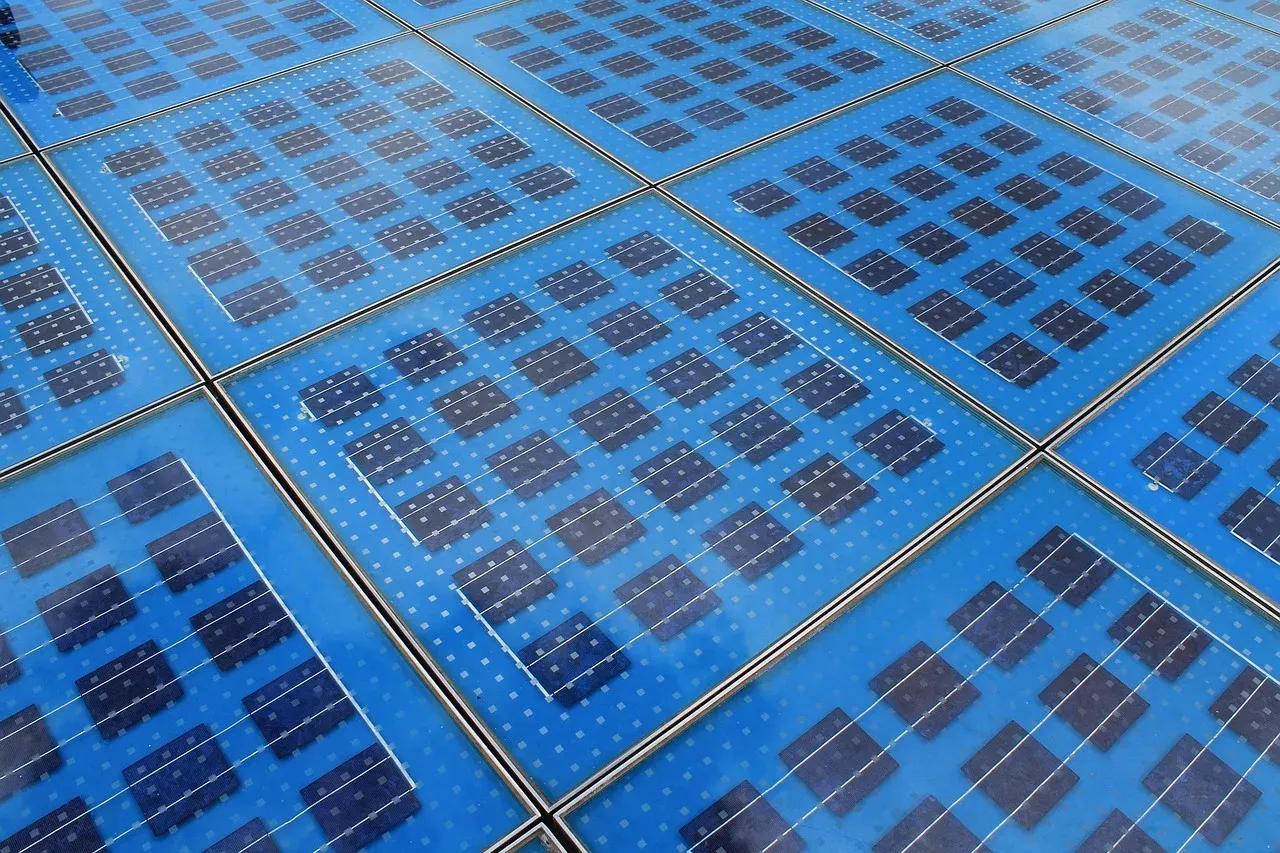
Solar roof tiles, sometimes called solar energy roof tiles or solar panel roof tiles, are an innovative solution that allows your roof to generate electricity without the bulky appearance of traditional solar panels. Unlike typical solar arrays that sit on top of your existing roof, solar tiles for roofs are designed to integrate seamlessly, replacing conventional roof tiles entirely. This maintains your home's aesthetic appeal while harnessing the power of the sun.
At their core, solar power roof tiles work using photovoltaic (PV) technology. Each tile contains photovoltaic cells that convert sunlight directly into direct current (DC) electricity. This DC electricity is then fed into an inverter, which transforms it into alternating current (AC) electricity - the type used by all your home appliances. The generated electricity can power your home, be stored in a battery system for later use, or exported back to the national grid, earning you money through schemes like the Smart Export Guarantee (SEG).
Key considerations for solar roof tiles in the UK
Choosing solar roof tiles for your UK home involves several important factors, from understanding the financial outlay to ensuring they perform well in our climate.
Understanding the cost and financial benefits of solar roof tiles
The upfront solar roof tiles price can be a significant consideration for many homeowners. Generally, the solar roof tiles cost is higher than traditional solar panels due to their integrated design and specialist installation1,2. However, this initial investment is offset by long-term savings on your electricity bills. By generating your own power, you reduce reliance on grid electricity, leading to lower monthly outgoings.
Furthermore, the Smart Export Guarantee (SEG) allows you to sell any surplus electricity your solar roofing tiles generate back to the grid, providing an additional income stream. While specific solar roof tiles UK prices vary by manufacturer and installer, it's crucial to get detailed quotes that outline the expected payback period and overall return on investment. Keep an eye out for any government incentives or VAT reductions that might apply to renewable energy installations. For residential properties, solar panel installations currently qualify for 0% VAT in Great Britain until March 2027.
Installation, planning permission, and durability for solar roofing tiles
Installing solar power roof tiles UK requires specialist expertise, combining roofing and electrical work. It's a more involved process than fitting standard panels, as the tiles become an integral part of your roof structure. Always ensure your installer is Microgeneration Certification Scheme (MCS) certified, which guarantees quality and is often a requirement for accessing SEG payments. Learn more about SEG here.
For most domestic installations in the UK, solar panels on tile roof systems are considered "permitted development" and do not require planning permission. However, exceptions apply, particularly for homes in conservation areas, listed buildings, or if the installation significantly alters the roofline. Always check with your local planning authority before proceeding. In terms of durability, solar roof tiles are built to last, designed to withstand typical UK weather conditions and offering a lifespan comparable to traditional roofing materials, often coming with extensive product and performance warranties.
Performance of solar roof tiles in the UK climate
A common concern for UK homeowners is how well solar tiles for roofs will perform given our often cloudy weather. While the UK doesn't boast Mediterranean sunshine, solar technology has advanced significantly. Solar roof tiles can still generate substantial electricity even on overcast days, as they capture diffused light. Peak generation will naturally occur during sunnier months, but your system will contribute to your energy needs year-round. Factors such as your roof's orientation (south-facing is ideal), pitch, and any potential shading from trees or neighbouring buildings will influence your system's overall efficiency. Reputable installers can provide detailed projections of expected energy generation for your specific property.
Maximising your investment with smart energy management
Choose an MCS and TrustMark certified installer. They should handle planning approvals, DNO applications, paperwork, installation and final checks. Generating your own electricity is one step; effectively managing it within your home's overall energy consumption and billing is another.
Fuse Energy helps you understand the financial benefits of your solar roof tile system through transparent billing and smart meter integration. We provide clear, monthly statements that reflect both your energy usage and any electricity exported to the grid. This allows you to see the direct financial impact of your solar generation on your Fuse bill. Fuse Energy guides you through the complexities of Smart Export Guarantee (SEG) tariffs, helping you earn money for your surplus electricity and understand its impact on your overall energy account. We bridge the gap between generating electricity and effectively managing its financial implications within your home's energy supply, positioning Fuse as your trusted partner in a smarter, more sustainable energy future.
Take the stress out of managing your energy. With Fuse Energy, you get clear pricing, real-time usage data (with a smart meter), and 24/7 human customer support. Switching takes as little as 3 minutes, so you can take control of your bills from day one. Click here to switch to Fuse Energy today and start saving. Learn more about our mission to build a sustainable energy future here.
References
- Microgeneration Certification Scheme. What is an MCS Certificate For Solar Panels: Your Guide
- Brighton Roofer. Solar Tiles vs Solar Panels: Which Is Better for UK Homes?
Disclaimer
For the avoidance of doubt, this article is provided for informational purposes only and is not intended to constitute legal or financial advice. The author and/or Fuse Energy shall not be responsible for any losses arising out of any reliance on the information contained herein.