What is a solar PV system and how does it work?
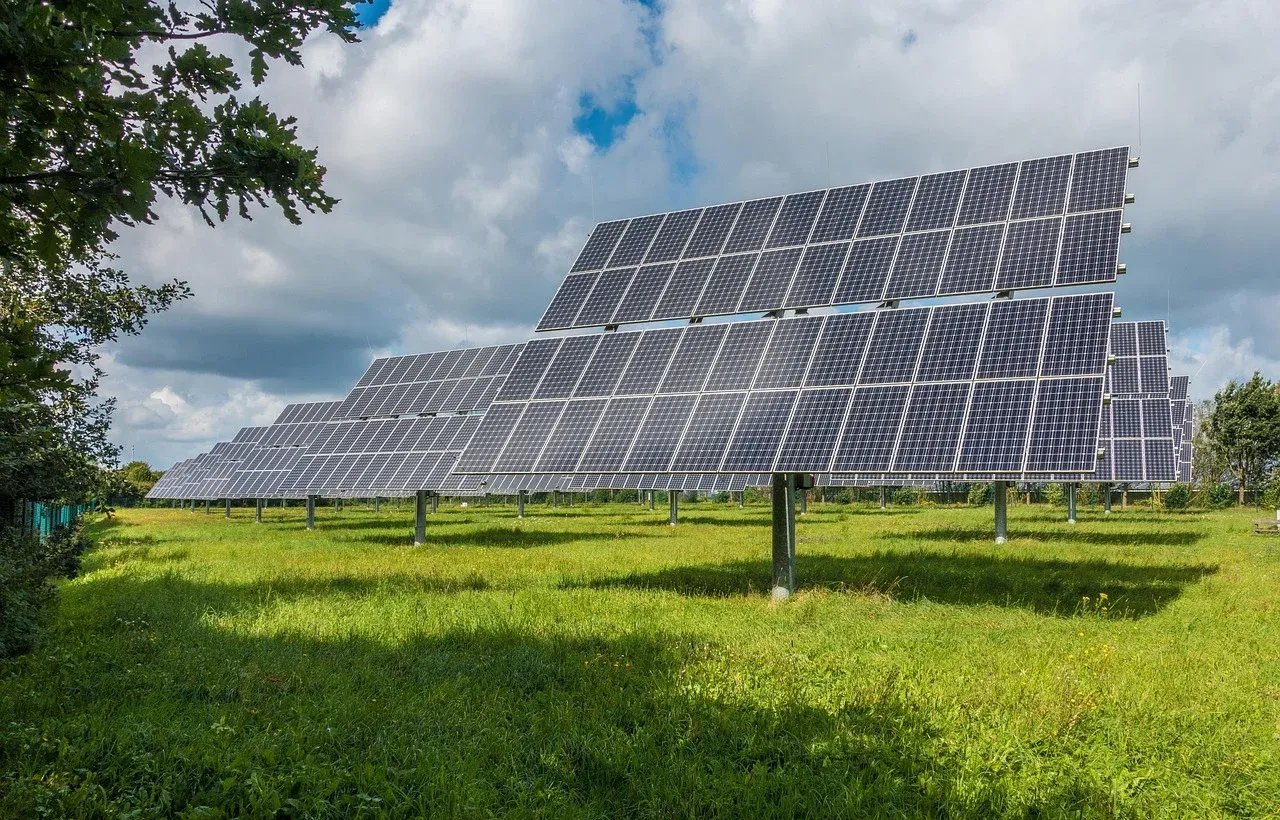
Considering a solar PV system for your UK home? You're not alone. More and more homeowners are turning to solar photovoltaic (PV) systems to generate their own clean electricity, reduce energy bills, and lower their carbon footprint. This comprehensive guide will walk you through everything you need to know, from how these systems work to the installation process and how to maximise your investment. Discover if a solar PV system is the right choice for your property and how it can contribute to a more sustainable and cost-effective future.
Considering solar for your home? With Fuse Energy, you get clear pricing, real-time usage data, 24/7 human customer support, and a modern energy experience designed around you. Switching takes as little as 3 minutes, so you can take control of your bills from day one. Click here to switch to Fuse Energy today and start saving.
What is a solar PV system and how does it work?
A solar PV system converts sunlight directly into electricity using photovoltaic cells. This clean, renewable energy can then power your home, reducing your reliance on the grid. It's a powerful step towards energy independence.
Key components of a solar PV system
At its core, a solar PV system for UK homes consists of several key elements. Solar panels, also known as solar PV panels, are typically mounted on your roof, capturing sunlight. An inverter then converts the direct current (DC) electricity generated by the panels into alternating current (AC) electricity, which is what your home appliances use. A robust solar PV mounting system secures the panels safely to your roof. Many modern solar PV systems also integrate a battery storage unit, allowing you to store excess electricity for use when the sun isn't shining.
The benefits of solar PV for UK homeowners
Installing a solar PV system offers numerous advantages. Firstly, you'll significantly reduce your electricity bills by generating your own power. This can lead to substantial long-term savings. Secondly, it drastically lowers your home's carbon emissions, contributing to a greener planet. Thirdly, a solar PV system can increase your property's value and improve its Energy Performance Certificate (EPC) rating. Finally, you can earn money by exporting any surplus electricity back to the grid through government-backed export schemes like the Smart Export Guarantee (SEG)1. Learn more about SEG here.
Is a solar PV system right for your UK home?
Deciding whether to invest in a solar PV system involves assessing various factors specific to your property and lifestyle. It's about finding the right fit for your energy needs.
Assessing your home's suitability for solar PV system installation
The success of a solar PV system installation largely depends on your home's characteristics. Key considerations include your roof's orientation (south-facing is ideal but east/west can also be effective), the amount of shading it receives, and its structural integrity. Your current energy consumption also plays a vital role; a larger system might be beneficial if you have high electricity usage. While rooftop installations are most common, ground mounted solar PV systems are an option for properties with suitable land.
Understanding solar PV system costs and potential savings
The solar PV system cost is a significant consideration. While the initial investment can be substantial, the long-term savings and potential earnings make it a worthwhile venture for many. Factors influencing the solar PV system price include system size, panel efficiency, and whether you include battery storage. It's important to remember that domestic solar PV system installations currently benefit from 0% VAT in the UK2, making them more affordable. Potential savings come from reduced bills and SEG payments, with payback periods typically ranging from 8 to 12 years depending on various factors.
The solar PV system installation process in the UK
Once you've decided to proceed, the installation process for a solar PV system in the UK is straightforward, but choosing the right professionals is crucial.
Choosing an MCS-certified solar PV system installer
Selecting an installer is perhaps the most critical step. Always opt for an installer accredited by the Microgeneration Certification Scheme (MCS). MCS certification ensures that your installer meets high quality standards and that your solar PV system qualifies for government-backed schemes like the Smart Export Guarantee. An MCS-certified installer will also assist with the solar PV systems design and ensure proper solar PV panel mounting systems are used. An MCS and TrustMark certified installer planning approvals, paperwork, installation, and final checks for home solar installations.
Navigating planning permission and VAT relief for solar PV systems
For most domestic solar PV system installations in England, Scotland, and Wales, planning permission is not required, as they fall under "permitted development" rights. However, exceptions apply for listed buildings, conservation areas, or if the panels significantly alter the building's appearance. Always check with your local planning authority. As mentioned, the government has removed VAT on energy-saving materials, including solar panels, making the investment more attractive.
Maximising your solar PV system investment with Fuse Energy
Installing a solar PV system is just the first step. To truly maximise your investment, you need an energy partner that helps you make the most of your generated electricity and export earnings. That's where Fuse Energy comes in.
Understanding the Smart Export Guarantee (SEG) with Fuse Energy
The Smart Export Guarantee (SEG) is a government-backed scheme that ensures you get paid for the surplus electricity your solar PV system exports to the grid. As an energy supplier, Fuse Energy facilitates these payments, ensuring you receive credit for your green energy. Your export earnings will contribute to reducing your overall energy costs. Fuse Energy offers an export tariff.
Optimising your energy usage with solar PV
With a solar PV system, optimising your energy usage is key to greater savings. By consuming more of the electricity you generate yourself (self-consumption), you reduce the amount you need to import from the grid. This strategy helps maximise your savings and SEG earnings.
Integrating solar PV with battery storage for greater savings
For even greater savings, consider integrating your solar PV system with battery storage. A solar PV battery system allows you to store excess electricity generated during the day and use it during the evening or on cloudy days, rather than exporting it for a lower SEG rate or buying expensive electricity from the grid. This significantly increases your self-sufficiency and further reduces your reliance on grid imports, leading to greater overall savings on your energy bills.
Take the stress out of managing your energy. With Fuse Energy, you get clear pricing, real-time usage data, 24/7 human customer support, and a modern energy experience designed around you. Switching takes as little as 3 minutes, so you can take control of your bills from day one. Click here to switch to Fuse Energy today and start saving. Find out about our mission by clicking here.
References
- Ofgem. Smart Export Guarantee (SEG)
- Solar Energy UK. VAT on Solar and Battery Storage
Disclaimer
For the avoidance of doubt, this article is provided for informational purposes only and is not intended to constitute legal or financial advice. The author and/or Fuse Energy shall not be responsible for any losses arising out of any reliance on the information contained herein.