Solar photovoltaic panels for UK homes
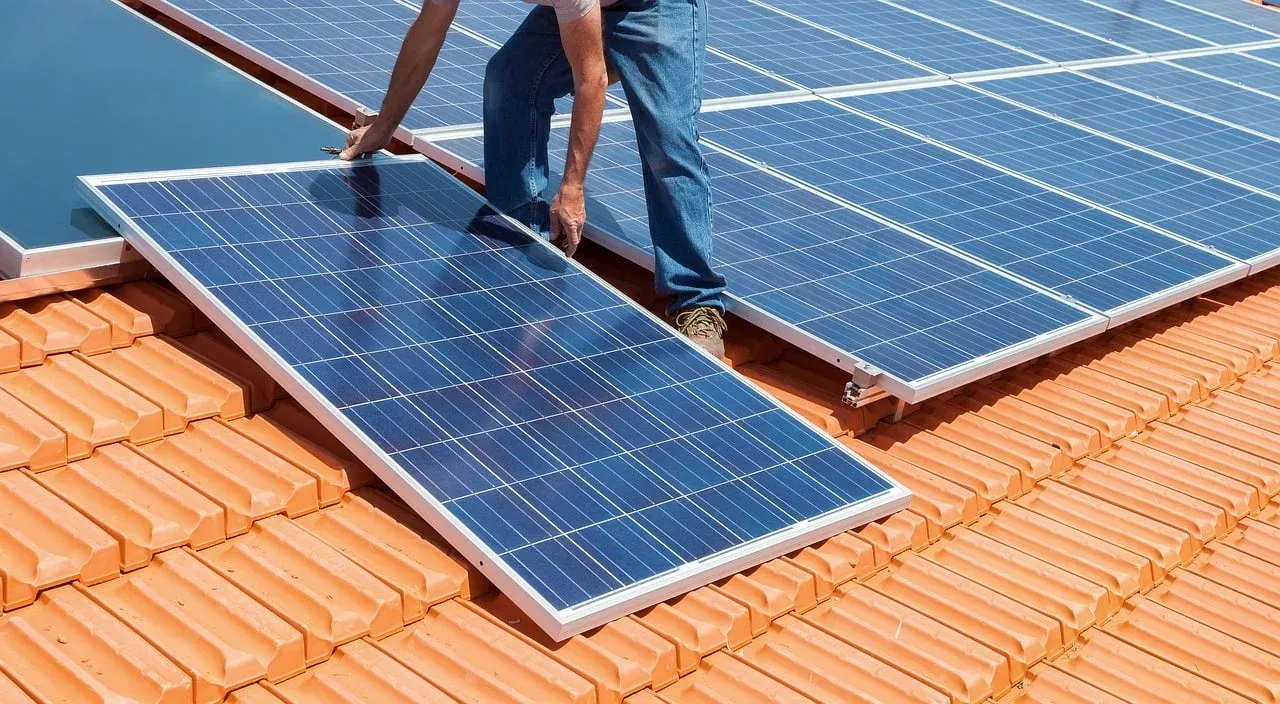
Considering solar photovoltaic (PV) panels for your UK home? This complete guide explains what solar PV is, how it works, the benefits for your energy bills, and how to plan your installation. Discover how Fuse Energy can help you maximise your solar savings.
Maximising your home's energy efficiency with solar panels is a smart move. With Fuse Energy, you get clear pricing, real-time usage data, 24/7 human customer support, and a modern energy experience designed around you. Switching takes as little as 3 minutes, so you can take control of your bills from day one. Click here to switch to Fuse Energy today and start saving.
What are solar photovoltaic panels and how do they work?
Solar PV panels are a popular choice for UK homeowners looking to generate their own clean electricity. They harness the sun's energy to power your home, reducing your reliance on the grid and cutting down on your carbon footprint. Understanding what solar PV panels are and how they convert sunlight into usable electricity is the first step towards a greener home.
Understanding photovoltaic technology: from sunlight to electricity
At the heart of every solar PV panel is photovoltaic technology. This is the science of converting light directly into electricity using semiconductor materials. When sunlight hits the solar cells within the panels, it excites electrons, creating an electric current. This current is direct current (DC) electricity. An inverter then converts this DC electricity into alternating current (AC), which is what your home appliances use. The entire process is clean, silent, and efficient, making solar PV panels an excellent renewable energy source.
Photovoltaic vs solar panels: what's the difference for UK homeowners?
You might hear the terms "photovoltaic panels vs solar panels" or "solar panels vs photovoltaic" used interchangeably, but there's a subtle distinction. "Solar panels" is a broad term that can refer to two main types: solar photovoltaic (PV) panels, which generate electricity, and solar thermal panels, which heat water. For UK homeowners looking to generate electricity, the correct term is solar photovoltaic panels. When discussing electricity generation, "photovoltaic panels solar panels" or "photovoltaic PV solar panels" specifically refers to the technology that converts sunlight into electrical power, not heat. This guide focuses exclusively on solar PV panels for electricity generation.
The benefits of solar photovoltaic panels for UK homes
Installing solar PV panels offers a range of compelling benefits for UK homeowners, from financial savings to environmental advantages.
Reducing your energy bills with solar photovoltaic panels
One of the most significant advantages of installing solar PV panels is the potential to substantially reduce your energy bills. By generating your own electricity, you'll import less from the grid. Any surplus electricity your solar PV panels produce can even be exported back to the grid through schemes like the Smart Export Guarantee (SEG)1, earning you payments from your energy supplier. The SEG is a UK government scheme launched in January 2020 that requires licensed electricity suppliers to pay small-scale generators for the low-carbon electricity they export to the National Grid. This dual benefit of reduced imports and export earnings makes solar PV panels a smart financial investment for many households. Learn more about SEG here.
Performance in the UK: do solar photovoltaic panels work in winter?
A common concern for UK homeowners is whether solar PV panels work effectively in the UK's often cloudy climate and shorter winter days. The good news is, yes, they do! While efficiency is highest on bright, sunny days, solar PV panels still generate electricity from daylight, even when it's overcast. Modern solar PV panels are designed to perform well in diffuse light. Although winter generation will naturally be lower than in summer, your system will still contribute to your home's electricity needs year-round. Battery storage can help maximise self-consumption by storing surplus solar energy generated during the day for use during peak demand times in the evening or when generation is lower. This can help reduce reliance on the grid and keep costs down, especially in colder months.
Planning your solar photovoltaic panel installation
Careful planning is key to a successful solar PV panel installation. From choosing the right system to understanding the costs and available support, here's what you need to consider.
Choosing the right solar photovoltaic panel sizes and types
When planning your system, you'll need to consider various solar PV panel sizes and types. Factors like your roof space, electricity consumption, and budget will influence your choice. Common options include monocrystalline and polycrystalline panels, each with different efficiencies and aesthetics. An installer will help you determine the optimal number of panels and overall system size, such as a solar PV panels 2.5 kWp system, to meet your household's needs. They can also advise on the best solar PV panels for your specific roof and energy requirements.
Costs, savings, and UK grants: is solar PV worth it?
The upfront cost of installing solar PV panels can be a significant investment, but the long-term savings and environmental benefits often make it worthwhile. Installation costs vary depending on system size, panel type, and complexity. However, with reduced electricity bills and potential earnings from the Smart Export Guarantee, many homeowners find that solar PV pays for itself over time. While direct government grants for solar PV installation are less common, schemes like ECO4 are available for eligible low-income households. There's also a 0% VAT rate on solar panels and batteries, which can provide significant savings. To determine "is solar PV worth it?" for your your home, get detailed quotes and a clear breakdown of projected savings and payback periods.
Maximising your solar energy with Fuse Energy
Once your solar PV panels are installed (or if you're considering installation, Fuse Energy can help!), we are here to help you get the most out of your investment by specialising in helping you understand and optimise your energy usage and billing. Choose an MCS and TrustMark certified installer. They should handle planning approvals, DNO applications, paperwork, installation and final checks.
How solar photovoltaic panels impact your Fuse Energy bill
With solar PV panels, your Fuse Energy bill will look a little different - in a good way! We help you understand exactly how the electricity you generate, consume, and export affects your monthly statement. Our systems can detail how your Smart Export Guarantee (SEG) payments are reflected and how any imported energy charges are calculated. This transparency means you'll always have a clear picture of your energy finances, allowing you to see the real impact of your solar PV panels on your Fuse Energy bill.
Using smart meter data to optimise your solar PV system
Fuse Energy empowers you to optimise your solar PV system by leveraging your smart meter data. Our access to hourly readings allows us to provide insights into your solar generation versus your household's consumption. This data can help you identify patterns and make informed decisions, such as shifting high-energy activities (like running the washing machine) to times when your solar PV panels are generating the most electricity. By maximising your self-consumption and reducing reliance on grid imports, you can further reduce your Fuse Energy bills and truly become a smart energy homeowner.
Managing your energy bills should be clear and easy to understand. Fuse Energy focuses on straightforward pricing, so you can see exactly what you're paying without unnecessary complexity. If you have a smart meter, you can view detailed usage data through the app or website, helping you understand how you can lower your bills. If you don't have a smart meter, Fuse Energy can upgrade your non-smart meter, completely for free. This can make it easier to track spending and make informed decisions about your energy use. Our 24/7 human support team is always on hand with fast response times of under 5 minutes whenever you need help. Click here to switch to Fuse Energy in as little as 3 minutes. Find out about our mission by clicking here.
References
- Ofgem. Smart Export Guarantee (SEG)
Disclaimer
For the avoidance of doubt, this article is provided for informational purposes only and is not intended to constitute legal or financial advice. The author and/or Fuse Energy shall not be responsible for any losses arising out of any reliance on the information contained herein.