Solar panel installation Merthyr Tydfil
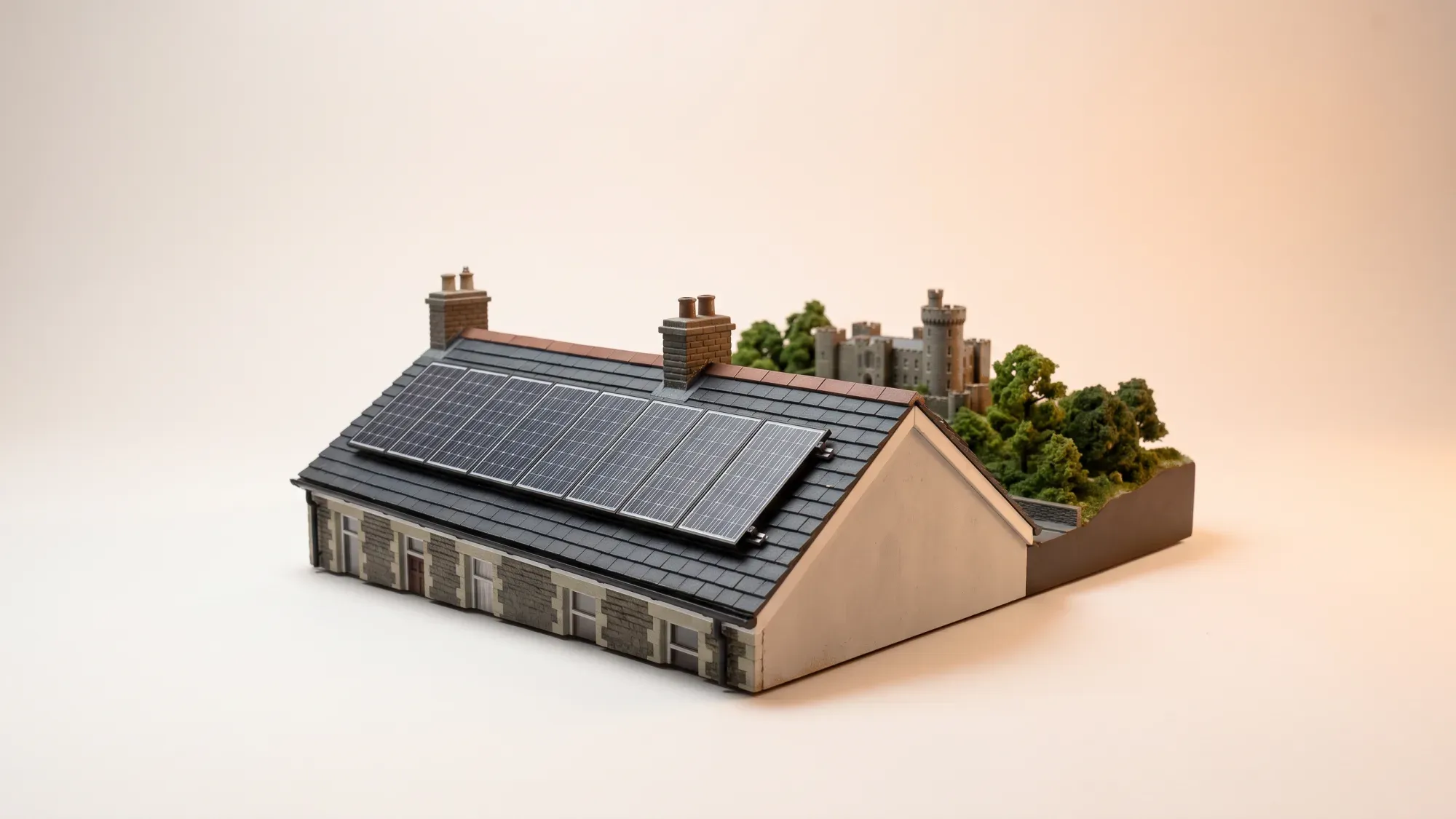
Merthyr Tydfil, nestled in the heart of the South Wales Valleys, offers a unique opportunity for homeowners looking to embrace solar energy. With its rich industrial heritage, the area features a diverse housing stock, from traditional terraced homes to newer builds, all of which can benefit from modern solar technology. While the region is known for its variable weather, UK solar panels generate effectively on diffuse daylight, meaning they produce power year-round, not just on direct sunlit days. For homeowners in Merthyr Tydfil, installing solar panels with Fuse Energy is a strategic move to gain energy independence and reduce bills, tailored to the unique characteristics of the South Wales Valleys.
Why consider solar panels in Merthyr Tydfil?
Embracing solar energy in Merthyr Tydfil is more than just an environmental choice; it is a strategic financial decision. Generating your own electricity can significantly reduce your reliance on grid power and help manage rising energy costs.
Merthyr Tydfil's unique energy landscape
Merthyr Tydfil sits within the 'South Wales' electricity distribution region, which influences the unit rates and daily standing charges set by Ofgem's price cap. This regional pricing means local energy bills can differ from other parts of the UK. The local Distribution Network Operator (DNO) for Merthyr Tydfil is National Grid Electricity Distribution, responsible for maintaining the electricity network in South Wales. In the event of a power cut, residents can dial the free national number 105, which routes directly to their local DNO.
Solar panels in the UK are highly effective, even on cloudy days, because photovoltaic cells absorb diffused light, not just direct sunlight. This means your system will generate electricity throughout the year, contributing to your energy independence regardless of the weather. Cooler temperatures, typical of the Welsh climate, can even enhance panel efficiency by preventing overheating. If you're wondering how well solar panels perform without constant sunshine, you can learn more about whether solar panels work on cloudy days.
Reducing energy bills and gaining independence
Installing solar panels and battery storage allows you to generate and store your own electricity, lessening your dependence on grid power. This proactive approach can lead to substantial savings on your energy bills, providing a buffer against fluctuating market prices. It is about moving away from a 'use less' mindset to one of 'power to play with', giving you greater control over your home's energy consumption.
Benefits of solar panels and battery storage
Beyond simply generating electricity, combining solar panels with battery storage offers enhanced advantages for Merthyr Tydfil homeowners.
Maximising self-consumption with battery storage
Battery storage systems are a game-changer for solar users. They allow you to store any surplus electricity your panels generate during the day for use later, such as in the evenings or on less sunny days. This maximises your self-consumption, meaning you use more of the free, clean energy you produce and draw less from the grid. This significantly boosts your energy independence and further reduces your electricity bills.
Earning with the Smart Export Guarantee
Any solar electricity you generate but do not use or store can be exported back to the National Grid. The Smart Export Guarantee (SEG) is a UK-wide Scheme1 that requires larger licensed energy suppliers to pay you for this surplus electricity. To qualify for SEG payments, your solar panel installation must be certified under the Microgeneration Certification Scheme (MCS). This ensures your system meets high industry standards for quality and performance. Understanding how to accurately record and submit your export readings is key to maximising your earnings, and you can find guidance in an export meter reading guide.
The solar installation process in Merthyr Tydfil
Understanding the steps involved in installing solar panels and battery storage can help you navigate the process smoothly.
Understanding your local DNO: National Grid Electricity Distribution
As mentioned, National Grid Electricity Distribution is the DNO for Merthyr Tydfil. They are responsible for the local electricity network and ensuring new connections are safe and do not overload the system. Your chosen installer will handle the necessary communication and paperwork with them.
Navigating the G98/G99 connection process
A new home EV charger or solar/battery grid connection in Merthyr Tydfil is notified to National Grid Electricity Distribution (chargers via the ENA connect-and-notify route; solar or battery systems under G98/G99). These engineering recommendations, set by the Energy Networks Association (ENA), outline the requirements for connecting generation equipment to the public electricity distribution network.
What is the G98/G99 process?
The G98/G99 process refers to engineering recommendations that govern how new solar panels and battery storage systems connect to the UK electricity grid. G98 applies to smaller systems (up to 3.68kW per phase) where the installer notifies the DNO after installation. G99 covers larger systems, requiring DNO approval before installation begins.
For smaller domestic systems, the G98 process typically involves the installer fitting the system and then informing the DNO within 28 days. For larger installations, the G99 process requires approval from the DNO before installation can begin. Your MCS-certified installer will manage this process, ensuring your system complies with all local grid regulations.
The importance of MCS certified installers
Choosing an MCS-certified installer is paramount for several reasons. MCS certification ensures that your solar panel and battery storage installation meets stringent quality, safety, and performance standards. This accreditation is not just a mark of quality; it is a requirement for accessing schemes like the SEG. MCS-certified installers are vetted for their competency and adherence to best practices, providing peace of mind and long-term reliability for your system.
Costs and financial incentives for Merthyr homeowners
Investing in solar panels is a significant decision, but various financial incentives can make it more accessible and cost-effective for homeowners in Merthyr Tydfil.
0% VAT on solar and battery installations
A significant financial incentive currently available is the 0% VAT rate applied to solar panel and battery storage installations across Great Britain. This relief is in place until 31 March 2027, making it an opportune time to invest. The 0% VAT applies to the entire installation, including panels, inverters, batteries, and labour, when supplied as a single contract by an installer. This can lead to considerable savings on the upfront cost of your system. For a detailed breakdown, you can explore the solar panel installation cost.
Factors influencing installation costs
The total cost of a solar panel and battery storage system can vary widely depending on several factors. These include the size of the system (number of panels and battery capacity), the type of panels and inverter chosen, the complexity of your roof (e.g., pitch, material, accessibility), and any additional electrical work required. While specific figures for Merthyr Tydfil are not provided, obtaining multiple quotes from MCS-certified local installers will give you a clear picture of the investment needed for your home.
Merthyr's position in the South Wales price cap region
Merthyr Tydfil's location in the 'South Wales' electricity distribution region means that local energy prices are subject to Ofgem's regional price cap, which is updated quarterly. By generating your own electricity, you can mitigate the impact of these regional price fluctuations. The more electricity you generate and consume from your own system, the less you will need to purchase from the grid at capped rates, enhancing your financial savings and energy security.
Choosing the right solar installer in Merthyr Tydfil
Selecting the right installer is crucial for a successful and long-lasting solar panel and battery storage system.
Questions to ask potential installers
When obtaining quotes from local installers in Merthyr Tydfil, ask specific questions to ensure you are making an informed choice. Always confirm they are MCS-certified, as this is essential for quality assurance and eligibility for schemes like the SEG. Inquire about their experience with similar properties in the Merthyr area, their warranty offerings for both equipment and workmanship, and how they handle the DNO notification and G98/G99 process. A reputable installer should be transparent about all costs, timelines, and expected performance.
Ensuring long-term performance and support
A quality installation is an investment in your home's future. Beyond the initial setup, consider the long-term performance and support offered by your installer. This includes aftercare services, maintenance advice, and monitoring capabilities. Fuse's approach to home energy management integrates solar and battery systems, giving customers greater control and transparency over their energy usage and generation. This ensures your system operates efficiently, maximising your savings and energy independence for years to come.
References
- Ofgem. Smart Export Guarantee (SEG)
Disclaimer
For the avoidance of doubt, this article is provided for informational purposes only and is not intended to constitute legal or financial advice. The author and/or Fuse Energy shall not be responsible for any losses arising out of any reliance on the information contained herein.