Solar battery: your guide to home energy storage
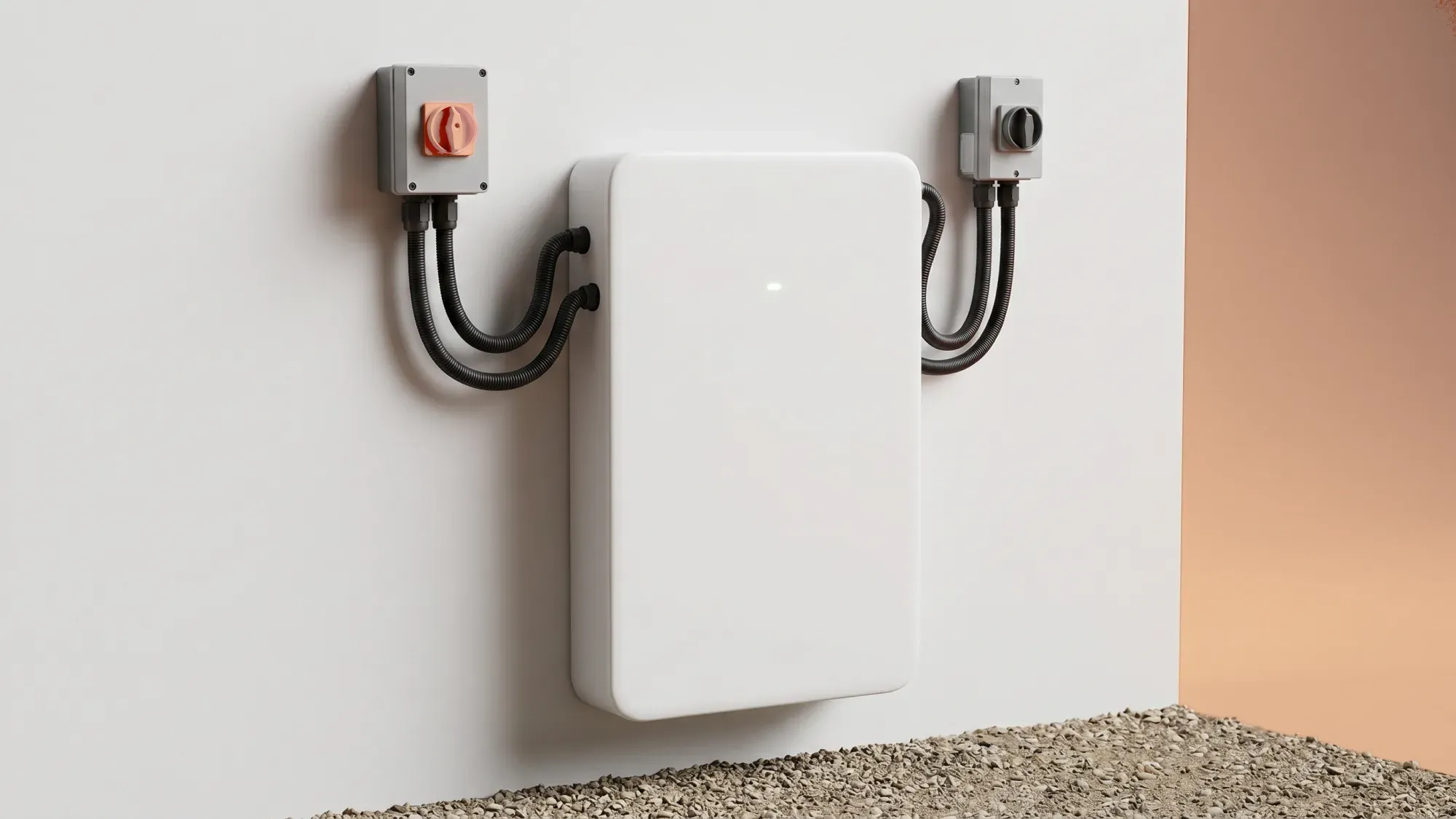
For UK homeowners, the prospect of harnessing solar energy to power their homes is increasingly appealing. Solar batteries offer a powerful way to maximise this potential, storing excess electricity generated by solar panels for use when the sun isn't shining. This guide cuts through the technical jargon and cost complexities, empowering you to understand how solar batteries can deliver greater energy independence and control over your home's electricity supply.
What is a solar battery and how does it work?
A solar battery system acts as an energy reservoir for your home, capturing surplus electricity from your solar panels instead of sending it back to the grid. This stored energy can then be used later, reducing your reliance on grid electricity and helping to manage your energy bills.
Storing your solar energy
Solar panels generate electricity when exposed to sunlight. In many homes, this generation peaks during the day when electricity demand might be lower. Without a battery, any electricity not immediately used is typically exported to the grid. A solar battery diverts this excess energy into storage, making it available for your home during evenings, nights, or periods of low solar generation. This process significantly increases your "self-consumption" of renewable energy.
Key components of a solar battery system
A typical solar battery system comprises several core components. The battery cells themselves store the electrical energy, often using lithium-ion chemistry. An inverter is crucial, converting the direct current (DC) electricity from your solar panels and battery into alternating current (AC) that your home appliances use. Some systems use a dedicated battery inverter, while others integrate battery management into a "hybrid" inverter that also handles the solar panels. A battery management system (BMS) monitors and controls the battery's performance, ensuring safety and optimising its lifespan.
Benefits of solar batteries for UK homes
Installing a solar battery offers several compelling advantages for UK homeowners, extending beyond simple cost savings to encompass greater energy control and resilience.
Maximising self-consumption
The primary benefit of a solar battery is its ability to increase the amount of self-generated solar electricity your home uses. Instead of exporting unused daytime solar power for a minimal payment, you can store it and use it when your home's demand is highest, such as in the evenings. This means less electricity needs to be purchased from the grid, making the most of your solar investment.
Reducing electricity bills
By storing and using your own solar power, you reduce the amount of electricity you need to buy from your energy supplier. With electricity unit rates for a Direct Debit household on the Ofgem price-cap default tariff at 26.11p per kWh from 1 July to 30 September 2026, every unit of self-consumed solar energy directly translates into savings on your bill. While the average UK home uses around 2,500 kWh of electricity per year, a solar battery helps you meet a larger portion of this demand with your own clean energy.
Energy independence and resilience
Solar batteries move you closer to energy independence. By generating and storing your own power, you become less vulnerable to fluctuations in grid electricity prices and potential supply interruptions. This provides a sense of security and control over your home's energy future. In some advanced systems, a solar battery can even provide backup power during a grid outage, keeping essential appliances running.
Types of solar batteries and key considerations
Choosing the right solar battery involves understanding different technologies and how they integrate with your home's energy setup.
Battery chemistry and capacity
Most modern home solar batteries use lithium-ion chemistry, particularly lithium iron phosphate (LFP), known for its safety and longevity. Battery capacity is measured in kilowatt-hours (kWh), indicating how much energy it can store. Power output, measured in kilowatts (kW), determines how quickly the battery can discharge energy to your home. A larger capacity means more stored energy, while higher power output allows for more demanding appliances to run simultaneously. Solar batteries typically have a lifespan of 10 to 15 years, with warranties often covering a specific number of cycles or years of operation.
Compatibility with solar panels
If you already have solar panels, checking compatibility with a new battery system is crucial. Some batteries are designed to integrate seamlessly with existing solar inverters, while others may require additional equipment or a new "hybrid" inverter. It's important to consult with qualified installers to assess your current setup and ensure any new battery system can work effectively.
Inverter types and integration
The inverter is the brain of your solar energy system. For battery storage, you might encounter:
- AC-coupled systems: These add a battery and its own inverter to an existing solar panel system with its own inverter.
- DC-coupled systems: These integrate the battery directly into the solar panel's DC circuit, often using a single hybrid inverter for both solar and battery management.
- Hybrid inverters: These combine the functions of a solar inverter and a battery inverter into one unit, simplifying the system for new installations.
Solar battery costs and installation in the UK
Understanding the financial outlay and practicalities of installation is key to deciding if a solar battery is right for your home.
Understanding the investment
The average cost for a typical home solar battery system in the UK, including installation, generally ranges from £4,000 to £8,000 or more. This investment can vary significantly based on battery capacity, brand, inverter type, and installation complexity. While the upfront cost is considerable, the long-term value comes from reduced electricity bills and increased energy independence.
Installation process and requirements
Installing a solar battery is a job for qualified professionals. The process typically involves:
- System design: Tailoring the battery size and type to your household's energy consumption and solar generation.
- Electrical work: Integrating the battery system safely into your home's existing electrical infrastructure.
- grid connection: Notification to the Distribution Network Operator (DNO) is required for grid-connected battery storage systems to ensure the local network can handle the new setup.
- Commissioning: Testing and optimising the system to ensure it operates efficiently.
Homeowners should ensure that any installation complies with local building regulations and electrical safety standards.
Regulatory and grid connection notes
The regulatory landscape for home energy systems in the UK is evolving. While the UK government has simplified regulations for plug-in solar panels (under SI 2026/848, effective 27 August 2026), this does not currently extend to plug-in batteries or hybrid solar-battery systems. This means that standalone plug-in batteries or solar-battery hybrid kits are not covered by the same legal framework that permits direct socket connection for compliant plug-in solar devices.
Does the Smart Export Guarantee apply to solar batteries?
The Smart Export Guarantee (SEG) is a government-backed scheme that pays for exported renewable electricity. However, eligibility criteria apply, including MCS certification for the installation. Self-installed plug-in solar kits typically do not qualify for SEG payments, meaning unused generation exported to the grid may not be paid at SEG rates.
While SEG may not apply to certain self-installed systems, energy suppliers can still offer their own export tariffs outside the SEG scheme. Nevertheless, the primary financial benefit of a solar battery remains maximising your self-consumption rather than relying on export payments.
Is a solar battery right for your home?
Deciding whether to invest in a solar battery involves a careful assessment of your personal circumstances and future energy goals.
Assessing your energy needs
The first step is to understand your current solar generation and household electricity consumption patterns. Do you generate a significant surplus of solar energy during the day that goes unused? Do your electricity demands peak in the evenings when solar generation is low? Analysing these patterns will help determine if a solar battery would provide substantial benefits by bridging the gap between generation and consumption.
Long-term value and future-proofing
A solar battery is a long-term investment. Beyond immediate bill reductions, it offers resilience against rising energy prices and contributes to a more sustainable energy system. As the UK moves towards a smarter, more decentralised grid, home battery storage will play an increasingly important role, potentially allowing homeowners to participate in future energy services and further optimise their energy use.
Next steps for homeowners
If you're considering a solar battery, begin by assessing your energy usage and solar generation. Research different battery types and their compatibility with your existing solar setup. Evaluate the costs, potential savings, and return on investment for your specific situation. Finally, consult with qualified installers to understand installation requirements, regulatory compliance, and warranty terms.
Fuse Energy champions a future where homeowners have greater control over their energy. By providing clear, data-backed information, we aim to demystify complex energy topics and empower you to make informed decisions about your home energy solutions.
Disclaimer
For the avoidance of doubt, this article is provided for informational purposes only and is not intended to constitute legal or financial advice. The author and/or Fuse Energy shall not be responsible for any losses arising out of any reliance on the information contained herein.