Small solar power systems: big savings for UK homes
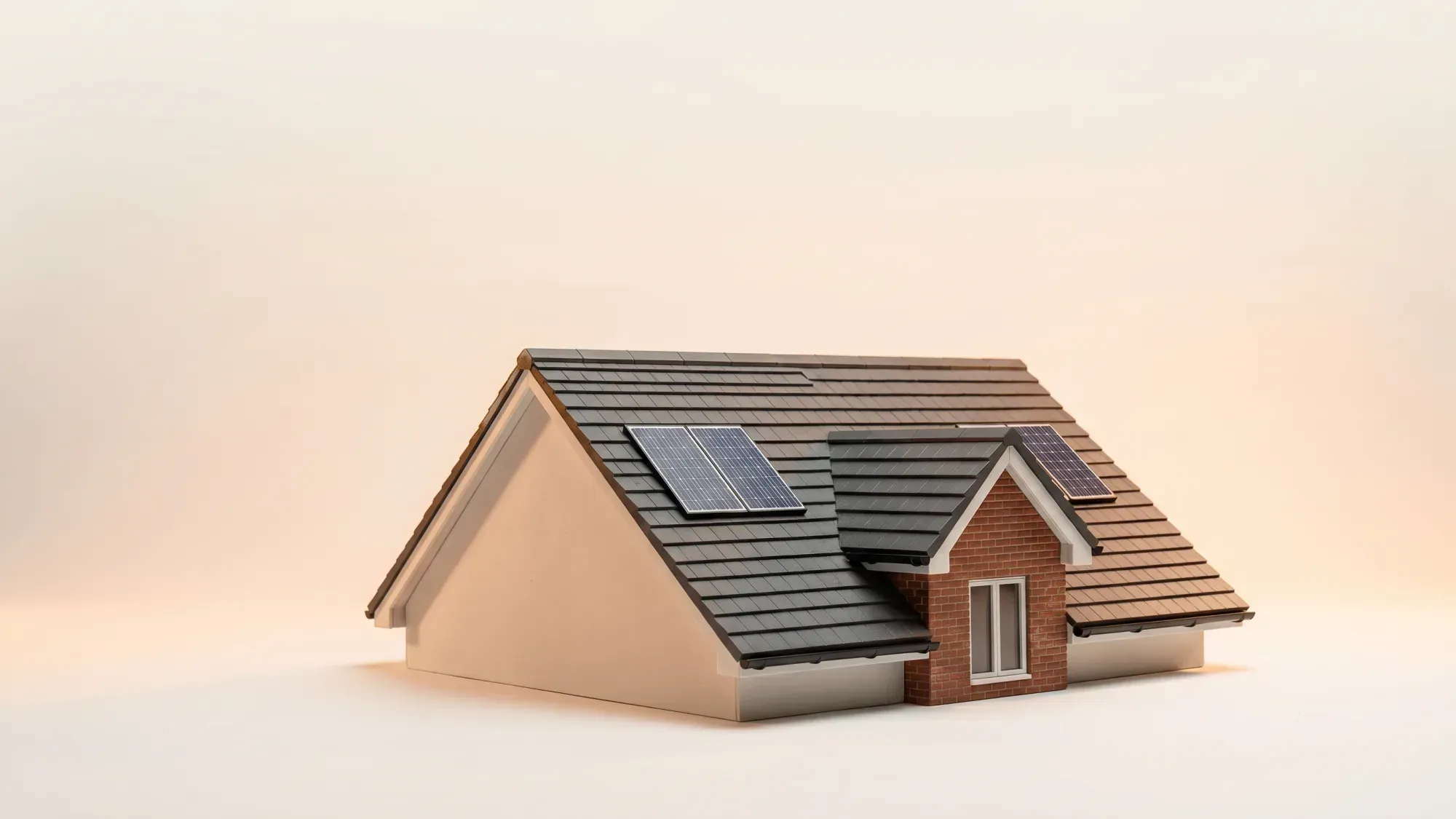
UK homeowners are increasingly seeking ways to gain greater energy independence and reduce their electricity bills. Small solar power systems offer a tangible pathway to achieving these goals, providing a manageable and cost-effective home energy upgrade. These systems integrate with your existing energy supply, giving you more control over household energy use while helping to reduce electricity bills.
Considering a small solar system for your home? Fuse Energy can help you understand your energy usage and explore options for a more sustainable future. Click here to see how easy it is to get started.
Enter your address to get a quote and see how much you could save
What is a small solar power system?
A small solar power system harnesses sunlight to generate electricity for your home. Unlike large-scale solar farms, these systems are designed for individual properties, offering a flexible approach to renewable energy. They typically consist of solar panels, an inverter, and often a battery for energy storage. They range from traditional rooftop installations to plug-in solar systems, a newer type of small solar system that connects to your home through a standard wall socket.
Components of a small solar setup
At its core, a small solar setup includes photovoltaic (PV) panels that convert sunlight into direct current (DC) electricity. An inverter then transforms this DC into alternating current (AC) electricity, which is what your home appliances use. Many systems also incorporate battery storage, allowing you to save surplus energy generated during the day for use when the sun isn't shining. The wattage of individual solar panels in the UK typically ranges from 300W to 450W.
Grid-tied, off-grid, and hybrid systems explained
Small solar systems come in three main configurations:
- grid-tied systems are connected to the national electricity grid. Any excess electricity you generate can be exported to the grid, and you can draw power from the grid when your solar panels aren't producing enough. These are the most common for UK homes, offering a balance of self-sufficiency and reliable supply.
- Off-grid systems operate entirely independently of the National Grid. They require sufficient battery storage to cover all your energy needs, making them suitable for remote cabins or sheds where grid connection is impractical or costly.
- Hybrid systems combine elements of both grid-tied and off-grid setups. They are connected to the grid but also feature battery storage, providing the security of backup power during outages and optimising self-consumption of generated electricity. This flexibility makes them increasingly popular for homeowners aiming for maximum energy independence.
Benefits of small solar for UK homeowners
Installing a small solar power system offers multiple advantages, from immediate financial savings to long-term environmental contributions.
Reducing electricity bills and energy costs
Once installed, solar panels generate free electricity from sunlight, significantly reducing your reliance on grid electricity and lowering your energy bills year after year. A typical UK solar panel system can lead to annual electricity savings, with some sources suggesting up to £735 per year for a 4kW system. Furthermore, by generating your own power, you gain a measure of protection against fluctuating energy market prices.
Boosting energy independence and resilience
Generating your own electricity gives you greater control over your energy supply. With battery storage, you can store excess solar energy for use during peak times or power outages, reducing your dependence on traditional energy suppliers and enhancing your home's energy resilience. Each solar-powered property effectively becomes a small-scale power station, contributing to a stronger, more distributed electricity network. Understanding how solar panels work on a house can help you maximise these benefits.
Environmental impact and carbon footprint reduction
Solar energy is a clean, renewable power source that produces electricity without releasing harmful greenhouse gases. By installing solar panels, you actively reduce your carbon footprint and support the transition to a low-carbon energy system, making a positive contribution to the environment.
Types of small solar systems for your home
The right small solar system for you depends on your property, energy needs, and budget.
Rooftop solar installations
Rooftop solar panels are the most common type for residential properties in the UK. They make productive use of otherwise unused roof space, converting sunlight into electricity. Monocrystalline panels are a popular choice due to their high efficiency and sleek appearance, performing well even in the UK's often cloudy conditions. A standard 4kW system, often suitable for a 3-bedroom home, typically requires around 10 to 12 panels.
Ground-mounted systems and solar sheds
For homes with limited roof space or those seeking an alternative, ground-mounted solar panels can be an option. These are installed in a garden or on a dedicated structure like a solar shed. While they may require planning permission more often than rooftop installations, they offer flexibility in orientation and tilt for optimal sun exposure. Some hybrid solar kits are even designed to be fixed to sheds or outbuildings.
Portable and micro-systems for specific needs
Portable solar panels offer a flexible, low-commitment way to generate small amounts of electricity. These compact units are easy to set up and don't require permanent installation, making them suitable for renters, caravan owners, or those wanting backup power for small appliances.
Plug-in solar systems
Plug-in solar, sometimes called balcony solar, is another type of small solar system, and one of the simplest ways to start generating your own electricity. One or two panels, mounted on a balcony rail, garden fence, or wall, connect to a small inverter that feeds power into your home through a standard plug socket. There's no scaffolding, no planning permission, and no expensive installation.
Plug-in solar becomes lawful from 27 August 2026 under SI 2026/848, with systems capped at 800W AC output. Because the panels are portable and leave no permanent marks, plug-in solar is especially well suited to renters and anyone put off by the cost of a full rooftop installation. A typical 800W system facing roughly south can generate 700 to 900 kWh per year, saving most households £130 to £200 annually through self-consumption.
UK regulations and planning permission
Navigating the regulatory landscape is crucial when considering a small solar power system in the UK.
Permitted development rights for solar panels
For most UK homeowners, installing solar panels on their roof does not require planning permission. This is thanks to Permitted Development Rights, which allow certain changes to properties without a formal application. However, conditions apply: panels must not protrude more than 200mm from the roof surface, and they cannot be installed above the highest part of the roof (excluding chimneys). Special considerations and potential permissions are needed for listed buildings or properties in conservation areas.
Grid connection requirements and DNOs
Connecting your solar system to the National Grid requires notification and sometimes approval from your Distribution Network Operator (DNO). There are nine DNOs in the UK, each responsible for a specific geographical area. Smaller systems (typically under 3.68kW per phase) usually fall under G98 regulations, meaning your installer can notify the DNO after installation. Larger systems or those exceeding 3.68kW per phase may require a G99 application, which needs DNO approval before installation. Your installer should confirm whether your system falls under G98 or G99 guidelines.
What is a DNO?
A DNO is the company responsible for operating the electricity distribution network in your local area. When you install a microgeneration device like solar panels, your DNO needs to be informed to manage network safety and constraints, ensuring your system connects to the grid without issues.
The smart export guarantee (SEG)
The Smart Export Guarantee (SEG) is a government-backed scheme that mandates licensed electricity suppliers to offer tariffs for electricity exported to the grid by small-scale generators. This means you can get paid for any surplus electricity your solar panels generate and send back to the National Grid. To be eligible, your installation must be certified under the Microgeneration Certification Scheme (MCS) or an equivalent scheme, and you'll need a smart meter capable of providing half-hourly export readings. While suppliers must offer a tariff, the rates vary, but must always be above zero pence per kWh. You can also explore the best solar and battery tariff options to maximise your earnings.
Cost of a small solar power system
The initial investment in a small solar power system can vary, but understanding the factors involved helps in planning.
Factors influencing system price
The cost of a small solar power system in the UK typically ranges from £5,000 to £11,000 for the panels and installation, with a common 4kW system costing around £6,000-£8,500. Adding battery storage can increase the total cost to between £8,000 and £18,000+. Key factors influencing the price include:
- System size: Larger systems with more panels naturally cost more.
- Panel type and efficiency: Higher efficiency panels, like monocrystalline, might have a higher upfront cost but can generate more electricity in limited space.
- Installation complexity: Roof type, accessibility, and any necessary electrical upgrades can affect labour costs.
- Inverter and battery storage: The capacity and brand of these components significantly impact the overall price.
- Installer fees: Different MCS-certified installers will have varying quotes.
Potential savings and payback period
While the upfront cost is a consideration, small solar systems offer long-term financial benefits. Beyond reducing your electricity bills, you can earn money through the SEG by exporting unused electricity. The payback period for solar panels in the UK is generally estimated to be between 6-10 years, depending on factors like usage patterns, export tariffs, and initial installation costs. The 0% VAT scheme for residential solar installations can also help reduce the overall cost. For more detailed information on expenses, see our guide on solar panels cost.
Setting up your small solar system
The journey to solar power involves several steps, from choosing your installer to integrating advanced features like battery storage.
DIY vs professional installation considerations
While some small off-grid solar kits are marketed as DIY, the installation of grid-tied or hybrid systems, particularly concerning electrical safety and UK regulatory compliance, is complex. It's strongly recommended that installation be carried out by MCS certified installers. MCS certification ensures that your installer meets strict standards for safety, workmanship, product quality, and consumer protection, and is often a requirement for eligibility for schemes like the SEG. Professional installers will also handle necessary paperwork, including DNO notifications.
Integrating with battery storage for optimal use
Integrating battery storage with your small solar setup is a strategic move for optimising energy use. Batteries allow you to store surplus electricity generated during sunny periods and use it later, for example, in the evenings when demand is high or during power cuts. This reduces your reliance on grid electricity during peak pricing hours and maximises your self-consumption of renewable energy. A typical 4-5kWh solar battery can cost between £3,000 and £6,500.
Choosing the right small solar system
Making an informed decision about your small solar system involves careful assessment of your household's energy profile and future needs.
Assessing your energy needs and consumption patterns
The first step is to understand your household's average daily and peak energy consumption. The average UK home uses around 2,700 kWh of electricity per year1, though this figure can vary. Knowing your usage helps determine the appropriate size of your solar system. A system that is too small won't meet your needs, while an oversized one could be an unnecessary expense.
Key considerations for system selection and future expansion
When selecting your system, consider your available roof space, aesthetic preferences, and budget. Think about whether you primarily want to reduce bills, achieve greater energy independence, or both. For many UK homes, a system between 3kW and 5kW is generally recommended. Also, consider the potential for future expansion, such as adding more panels or increasing battery capacity, to accommodate changing energy demands or the adoption of electric vehicles. Consulting with an MCS-certified installer can provide tailored advice and ensure your system is designed for optimal performance and longevity.
By embracing small solar power systems, UK homeowners can take a significant step towards a more sustainable and empowered energy future.
Fuse Energy is committed to making energy simpler, greener, and more affordable for UK households. We offer clear pricing, real-time usage data through our app, and 24/7 human customer support to help you manage your energy effectively. Switching to Fuse is quick and easy, allowing you to take control of your energy bills and contribute to a cleaner energy system.
Click here to switch to Fuse Energy today and discover a smarter way to power your home. You can also learn more about our mission to transform the energy landscape by visiting our mission page.
References
Disclaimer
For the avoidance of doubt, this article is provided for informational purposes only and is not intended to constitute legal or financial advice. The author and/or Fuse Energy shall not be responsible for any losses arising out of any reliance on the information contained herein.