Plug-in solar panels explained
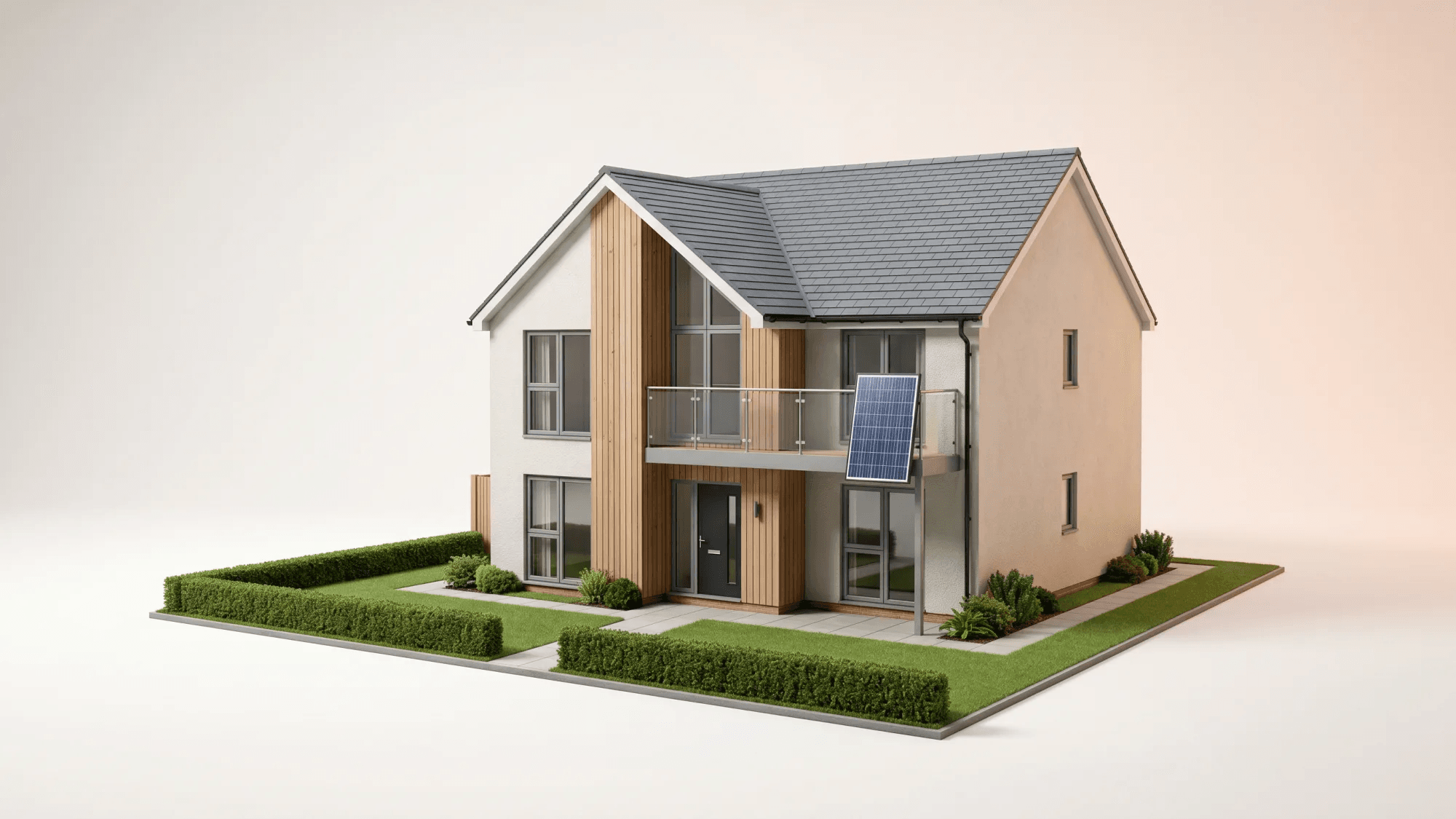
Plug-in solar panels offer a straightforward way for UK homeowners and renters to generate their own electricity and reduce energy bills. These small, self-installed systems connect directly to a standard wall socket, making them an accessible entry point into renewable energy. The legalisation in the UK, effective from 27 August 2026, has clarified the rules for compliant standalone plug-in solar, allowing more people to benefit from home energy generation.
What are plug-in solar panels?
Plug-in solar panels are compact photovoltaic (PV) systems designed for easy installation and direct connection to your home's electrical supply via a standard plug socket. Unlike traditional rooftop solar arrays, these systems are typically much smaller, making them suitable for flats, balconies, gardens, or patios. Their portability and minimal installation requirements appeal to those who might not have access to conventional solar options, such as renters or leaseholders.
How do plug-in solar panels work?
A plug-in solar system consists primarily of one or two solar panels and a microinverter. The panels convert sunlight into direct current (DC) electricity. This DC electricity then flows to the microinverter, which converts it into alternating current (AC) electricity, matching the frequency and voltage of your home's supply. This AC power is then fed into your home's electrical circuit through a standard wall socket. The electricity generated offsets the power you would otherwise draw from the National Grid, directly reducing your electricity bill. A crucial safety feature of these systems is their ability to automatically disconnect from the grid during a power cut, preventing electricity from being fed back into the network.
Key components of a plug-in solar kit
A typical plug-in solar kit includes:
- Solar panels: These capture sunlight and convert it into DC electricity. They are usually designed to be lightweight and easy to position.
- Microinverter: This device converts the DC electricity from the panels into usable AC electricity for your home and ensures it synchronises with the grid. It also contains safety features, such as automatic grid disconnection.
- Mounting system: Simple frames or brackets allow for easy positioning on balconies, walls, or the ground.
- Cabling and plug: A manufacturer-supplied lead with a compliant BS 1363 UK plug for direct connection to a standard wall socket.
Benefits for UK homeowners and renters
The primary benefit of plug-in solar is the reduction in electricity bills by offsetting base-load consumption - the constant background electricity used by appliances like fridges, freezers, and routers. This means you are effectively running these essential devices for free during daylight hours. The ease of installation and affordability make it an attractive option for many, especially those in rented accommodation or flats who cannot install larger rooftop systems. While these systems do not qualify for the Smart Export Guarantee (SEG), any unused generation still goes to the grid, and some suppliers may offer their own export tariffs outside the SEG scheme. Self-consumption remains the primary saving.
UK regulations for plug-in solar panels
The legal landscape for plug-in solar panels in the UK has recently been clarified, making it easier for households to adopt this technology.
SI 2026/848: the legal framework explained
A new statutory instrument, SI 2026/848, has legalised compliant standalone plug-in solar panels in the UK since 27 August 2026. This legislation amends the Plugs and Sockets etc. (Safety) Regulations 1994 (PSSR), providing a specific exemption for devices that meet the Interim Product Specification (IPS). Before this date, connecting a solar panel directly to a wall socket was not a recognised, compliant method of generating electricity in the UK. The IPS defines the technical and safety requirements for these devices, ensuring they can be safely connected via a standard BS 1363 plug.
800W limit and 'one unit per property' rule
Under SI 2026/848, compliant plug-in solar devices have an 800W AC export limit per unit. This means the microinverter's output to your home's circuit cannot exceed 800 watts. While the solar panels themselves might have a higher DC input capacity, up to 2,000W DC, the system's output is capped by the microinverter to ensure safety and compliance. The legislation also currently enforces a 'one unit per property' rule, meaning only one compliant plug-in solar system can be installed per household.
What the legislation does not cover (batteries and hybrids)
It is crucial to understand that SI 2026/848 applies exclusively to standalone plug-in solar systems. It does not cover:
- Plug-in batteries: These are home storage units that plug into a wall socket to store electricity for later use.
- Hybrid solar-battery systems: Kits that combine solar panels and a battery in one product, or an inverter with an attached battery, are also not covered by this legislation.
Adding a battery system takes the entire setup outside the scope of the IPS, meaning such configurations are not currently permitted under SI 2026/848.
Installation and safety considerations
One of the key advantages of plug-in solar panels is their ease of installation, but certain steps and safety checks are still essential.
DIY installation: what you need to know
Plug-in solar panels are designed for self-installation, meaning you typically will not need a professional electrician or planning permission. Kits usually come with everything required, including panels, microinverter, mounting hardware, and the necessary cables with a standard UK plug. However, it is vital to follow the manufacturer's instructions carefully to ensure safe and correct setup. Before purchasing, check that the specific model is listed as compliant on the ENA Type Test Register, which confirms it meets the required safety standards.
Notifying your distribution network operator (DNO)
Even with a self-installed plug-in solar system, you or your energy supplier must notify your Distribution Network Operator (DNO) of the installation. This notification, typically under G98 regulations, must be completed within 28 days of commissioning the system. The DNO is responsible for the local electricity network and needs to be aware of any generation connected to it. This is a notification, not an application for approval, for compliant systems within the 800W limit.
Safety checks and old wiring
The UK government conducted safety testing on plug-in PV systems under domestic conditions and found that compliant systems operated safely. The testing indicated that UK ring circuits and standard domestic wiring are generally safe for plug-in solar. However, if you have concerns about your home's electrical installation, particularly if you have older wiring, it is always advisable to consult a qualified electrician.
Maximising your savings with plug-in solar
While plug-in solar panels offer a route to lower energy bills, understanding how to maximise their benefit is key.
Understanding self-consumption and export
The primary way plug-in solar panels save you money is through "self-consumption" - using the electricity generated directly in your home at the moment it is produced. Every unit (kWh) you use from your panels is a unit you do not buy from your supplier, saving you the import price of electricity.
Does plug-in solar save money without a battery?
Yes, plug-in solar saves money by offsetting the electricity you would otherwise buy from the grid. However, without a battery, you only benefit from the electricity used while the panels are generating. Any surplus you do not use is exported to the grid, and for plug-in systems, this export may not earn you anything.
Unused generation flows back to the grid. Unlike larger, MCS-certified rooftop solar systems which may qualify for the SEG, self-installed plug-in kits do not. While some suppliers may offer their own export tariffs outside the SEG scheme, self-consumption remains the main driver of savings. Homes that are empty during the day will export more and save less, highlighting the importance of matching generation to your daytime usage patterns.
Illustrative savings for UK households
The potential savings from plug-in solar panels can vary significantly. UK government analysis suggests that a typical 800W plug-in solar setup could save around £70 to £110 annually in suitable circumstances. Other modelling indicates that well-positioned systems could save between £95 and £155 per year.
For example, consider a household paying the current Ofgem price-cap electricity rate of 26.11p per kWh (inclusive of 5% VAT) for the period 1 July to 30 September 2026. The average UK home uses around 2,500 kWh of electricity per year. A plug-in system can make a noticeable contribution to covering this demand. Carbon Brief analysis suggests an 800W system could provide around 400 kWh of electricity each year, potentially saving £110 annually and £1,100 over its 15-year lifetime. A kit costing around £450 could pay for itself in roughly 3 to 5 years.
Optimising panel placement and usage
To maximise your savings:
- Panel placement: South-facing panels generally yield the most generation, but east or west orientations can also be effective, especially if your household has higher electricity demand in the mornings or evenings, respectively. Consider the angle and shading, as these significantly impact output.
- Time-shifting appliances: Run high-power appliances like washing machines, dishwashers, or electric vehicle chargers during daylight hours when your panels are generating.
- Monitor usage: Understanding your household's electricity consumption patterns can help you align your usage with your solar generation.
Do plug-in solar panels work in winter in the UK?
Yes, plug-in solar panels work in the UK winter, generating electricity from daylight even on overcast days. While output is significantly lower than in summer due to fewer daylight hours and a lower sun angle, cold temperatures can actually improve panel efficiency. Winter generation still contributes to offsetting your base load.
Are plug-in solar panels right for your home?
Deciding if plug-in solar is a good fit involves assessing your specific circumstances.
Assessing suitability: space, sunlight, and lifestyle
Consider the following:
- Outdoor space: Do you have a balcony, patio, or garden area that receives direct sunlight for a significant portion of the day?
- Sunlight exposure: The more direct, unobstructed sunlight your panels receive, the more electricity they will generate.
- Daytime electricity use: If you are home during the day or can schedule appliances to run when the sun is shining, you will maximise your self-consumption and savings.
- Renter status: Plug-in solar is particularly appealing for renters, as it offers a way to generate your own energy without permanent modifications to the property. However, you will usually need landlord consent. The Renters' Rights Act 2025 helps by giving tenants a "right to request" reversible energy-efficiency measures like balcony solar, but you still need to ask first.
Comparing plug-in solar to rooftop systems
Plug-in solar panels are not a replacement for full rooftop solar arrays. Rooftop systems are typically much larger, professionally installed, and can generate significantly more electricity, often qualifying for SEG payments. However, rooftop solar requires house ownership, a suitable roof, and a substantial upfront investment. Plug-in solar offers a more affordable, flexible, and accessible alternative, especially for those without a suitable roof or who are unable to undertake a major installation.
Common questions about plug-in solar
- How much do they cost? A typical plug-in solar kit can cost between £340 and £1,000, depending on the retailer and features.
- Do I need planning permission? Generally, plug-in solar systems do not require planning permission for houses under permitted development rights. However, you should check with your local authority if you live in a listed building or conservation area, or if mounting on timber. Rules can also be stricter for front gardens or flats.
- Can I use multiple systems? Under current UK regulations (SI 2026/848), only one compliant plug-in solar unit is permitted per property.
- How long do they last? Solar panels typically last between 25 and 30 years, with many continuing to generate electricity beyond this period, albeit with gradually decreasing efficiency.
- What is the payback period? The payback period for a plug-in solar system can range from approximately 3 to 9 years, depending on the kit cost, generation, and your household's electricity usage patterns.
The future of home energy generation
The legalisation of plug-in solar panels marks a significant step towards more accessible home energy generation in the UK.
Innovations in plug-in solar technology
The market for plug-in solar is still evolving, with ongoing innovations in panel efficiency, microinverter technology, and user-friendly designs. As the technology matures and adoption increases, we can expect to see more advanced features and potentially lower costs. The IPS itself may be modified over time to allow for new technical innovations.
The role of accessible energy in the UK
Plug-in solar panels empower individuals to take a more active role in their energy consumption and contribute to a greener grid. By providing an easy and affordable entry point into renewable energy, these systems align with a future where energy is abundant and accessible to a wider population. This shift supports the broader goal of reducing reliance on traditional energy sources and fostering greater energy independence for households across the UK.
Disclaimer
For the avoidance of doubt, this article is provided for informational purposes only and is not intended to constitute legal or financial advice. The author and/or Fuse Energy shall not be responsible for any losses arising out of any reliance on the information contained herein.