Plug-in battery storage: a power play
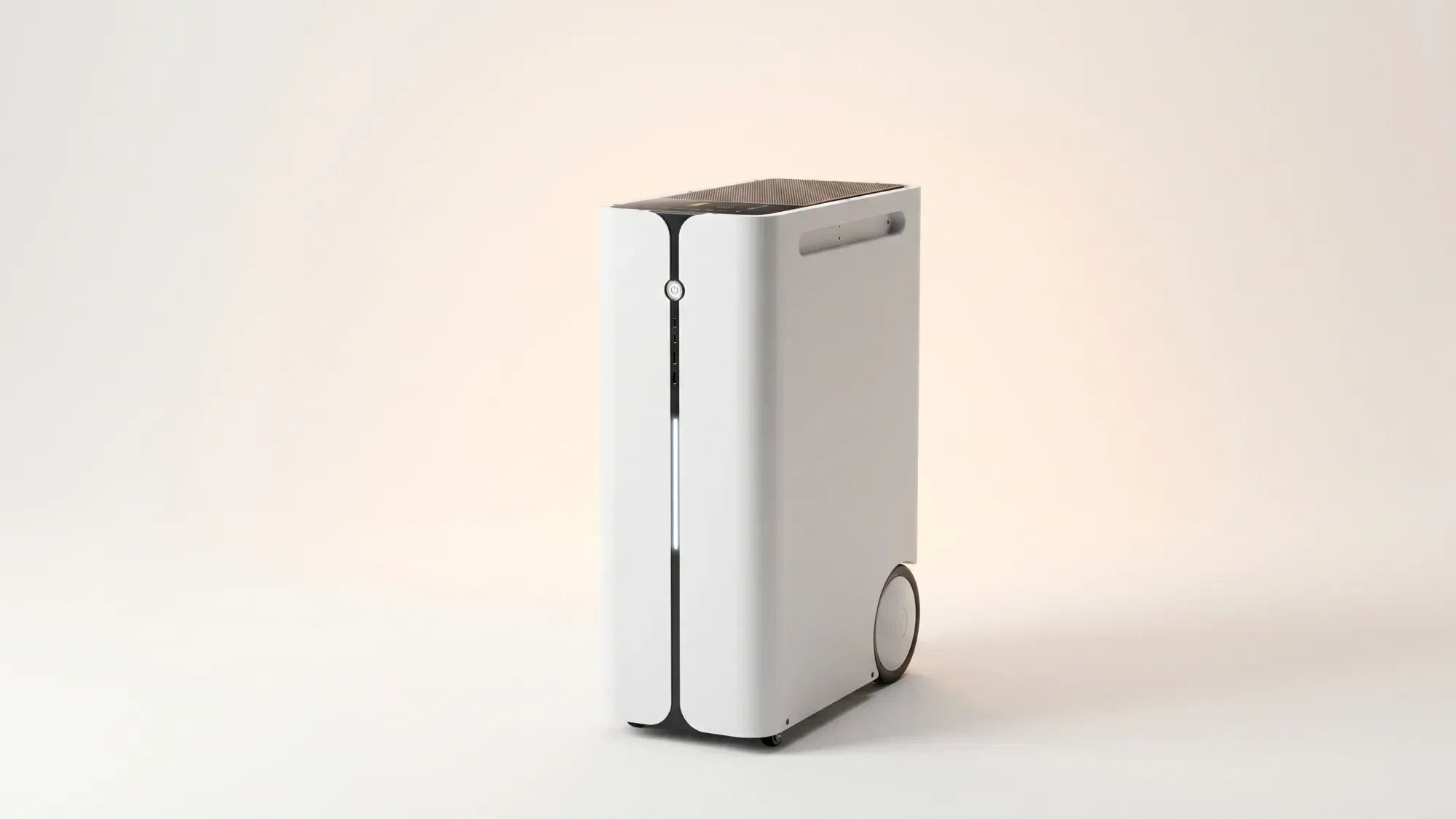
Plug-in battery storage gives UK homeowners greater control over how they use energy and manage their costs. The appeal lies in the simplicity: the battery plugs straight into a standard wall socket, like any household appliance. There is one important caveat, though. While plug-in solar becomes lawful from 27 August 2026 under SI 2026/848, socket-connected plug-in battery storage is not yet legal in the UK. It's worth understanding exactly where the rules stand before you buy.
Fuse Energy does not currently supply or install plug-in batteries. What we do supply and install is a full home battery, wired into your consumer unit rather than a standard socket, which gets you the same benefit within the current rules: store cheaper off-peak power and use it when standard rates climb. Tap the quote button below to get a quote for a home battery.
What is a plug-in battery?
A plug-in battery is an energy storage device that connects to your home through a standard wall socket. You simply plug it in, like a kettle or a washing machine, with no rewiring or professional installation. It charges when electricity is cheap or plentiful and feeds that stored power back into your home when you need it. That plug-and-go simplicity is the whole appeal, but note that this socket-connected setup is not yet legal in the UK, a point we cover in detail below.
Portable power stations vs home energy storage
The term "plug-in battery" covers a spectrum of devices. On one end are portable power stations, which are genuinely plug-and-play. These units are self-contained, can be moved around, and typically do not connect permanently to the grid. They are ideal for temporary power needs, outdoor activities, or as a mobile backup. Because they are not permanently connected to the grid, they do not typically require notification to the Distribution Network Operator (DNO).
On the other end are home energy storage systems designed for grid integration. While some of these are marketed as "plug-in" due to simplified wiring, they are intended for permanent installation and interaction with your home's main electrical supply and the wider grid. These systems offer more substantial storage capacity and advanced energy management features, but their grid connection means they come with specific regulatory requirements in the UK. It is crucial not to confuse these two types, as their functionality and compliance obligations differ significantly.
How plug-in home batteries work
Plug-in home batteries work by storing electricity for later use. In their simplest form, the battery both charges and discharges through a standard wall socket, so plugging it in is the entire installation. Bear in mind, though, that this socket-connected approach is not yet legal in the UK. For grid-integrated systems, installation instead involves connecting the battery to your home's consumer unit. The battery can then charge from the grid, often during off-peak hours when electricity is cheaper, or from renewable sources like solar panels. When electricity demand is high, or during peak tariff periods, the stored energy can be discharged to power your home, reducing your reliance on expensive grid electricity. This process is often automated by smart energy management systems, optimising charging and discharging cycles based on your energy consumption patterns and tariff structure.
Benefits for UK homeowners
Plug-in home batteries offer several compelling benefits for UK homeowners, particularly in the face of rising energy costs and a desire for greater energy independence.
Reducing energy bills
One of the primary motivations for installing a plug-in home battery is to reduce electricity bills. These systems allow you to store cheaper off-peak electricity, which can then be used during more expensive peak times. For homes with solar panels, batteries enable you to store surplus solar generation instead of exporting it to the grid for a low rate. This stored energy can then be self-consumed when the sun is not shining, maximising the value of your solar investment and potentially leading to a better solar and battery tariff. The average UK home uses around 2,700 kWh of electricity per year, making even small optimisations impactful.
Energy independence and backup power
Having a home battery increases your energy independence, giving you more control over your power supply. This can be particularly reassuring during power cuts, as many grid-integrated systems can provide backup power to essential circuits in your home. While not all systems offer full home backup, the ability to maintain power during outages is a significant advantage for many homeowners. This shift empowers you to take control of your energy, moving away from a scarcity mindset.
Optimising solar self-consumption
For homeowners with existing solar panel installations, a plug-in home battery is a natural next step. Solar panels often generate more electricity than a household can use during the day. Without a battery, this excess energy is typically exported to the grid. By adding a battery, you can capture this surplus solar power and use it in the evenings or on cloudy days, significantly increasing your self-consumption rate and reducing the amount of electricity you need to buy from your supplier.
Understanding UK regulations for home batteries
Navigating the regulatory landscape for home batteries in the UK is crucial, especially for grid-integrated systems.
DNO notification and G98/G99
In the UK, grid-connected home battery systems typically require notification to your DNO. This is because these systems interact with the National Grid, and the DNO needs to ensure that the connection is safe and does not negatively impact the local electricity network. Depending on the size and type of the system, it will fall under either G98 or G99 regulations:
- G98: Applies to smaller installations, typically up to 16A per phase, or 3.68 kW for single-phase systems. These systems can often be "connect and notify," meaning you can install them and then inform your DNO.
- G99: Applies to larger installations, above 16A per phase or 3.68 kW for single-phase systems. These require prior approval from your DNO before installation can proceed.
Even for systems marketed as "plug-in," if they are permanently connected to your home's electrical system and can export power to the grid, DNO notification is usually a requirement. Homeowners should always check with their local DNO and a qualified electrician to understand the specific requirements for their chosen system.
"Plug-and-play" limitations
While some devices are marketed as "plug-and-play" and connect via a standard wall socket, this is the crucial point for UK buyers: discharging a battery into your home's circuits through a standard socket is not yet legal in the UK. SI 2026/848 makes plug-in solar up to 800W AC lawful from 27 August 2026, but that route does not extend to plug-in battery storage. Beyond that, the ability of these units to export power to the grid without DNO approval is often limited. These units are typically designed for self-consumption or to provide power directly to appliances, rather than actively managing grid interaction. If a system can export power, even if it is via a standard plug, it may still be subject to DNO notification requirements, particularly if the export capacity exceeds a certain threshold. It is essential not to assume that "plug-and-play" automatically means "no regulations apply."
Choosing the right plug-in home battery system
Selecting the right plug-in home battery system involves careful consideration of your energy needs, budget, and the specific features of different products.
Assessing your needs
Start by assessing your energy consumption patterns and goals. Are you primarily looking to reduce your electricity bills by storing off-peak power, or is backup power during outages your main concern? Do you have solar panels and want to maximise self-consumption? Understanding your priorities will help narrow down the options. Consider your average daily electricity usage - the average UK home consumes around 2,700 kWh per year, which is approximately 7.4 kWh per day - and how much of that you want to cover with stored energy. If you are also considering solar, a solar panel calculator can help you estimate your generation and storage needs.
Key features to look for
When evaluating systems, consider the following:
- Capacity: Measured in kilowatt-hours (kWh), this indicates how much energy the battery can store. Match this to your consumption needs.
- Power output: Measured in kilowatts (kW), this determines how many appliances the battery can power simultaneously.
- Cycle life: The number of charge and discharge cycles the battery can perform before its capacity degrades significantly.
- Warranty: Understand the warranty period and what it covers.
- Integration: How well does it integrate with existing solar panels or smart home systems?
- Monitoring: Look for systems with user-friendly apps that allow you to monitor energy flow and battery status.
Installation and compatibility
Even for "plug-in" systems, professional advice for system selection and installation is often recommended. And it bears repeating: although these batteries are designed to simply plug into a standard socket, that use is not yet legal in the UK, so ensuring compatibility with your home's electrical system and adherence to all current regulatory standards is paramount. A qualified electrician can assess your home, advise on the best placement, and ensure the installation meets all safety and DNO requirements.
Disclaimer
For the avoidance of doubt, this article is provided for informational purposes only and is not intended to constitute legal or financial advice. The author and/or Fuse Energy shall not be responsible for any losses arising out of any reliance on the information contained herein.