Peak and off-peak electricity times explained
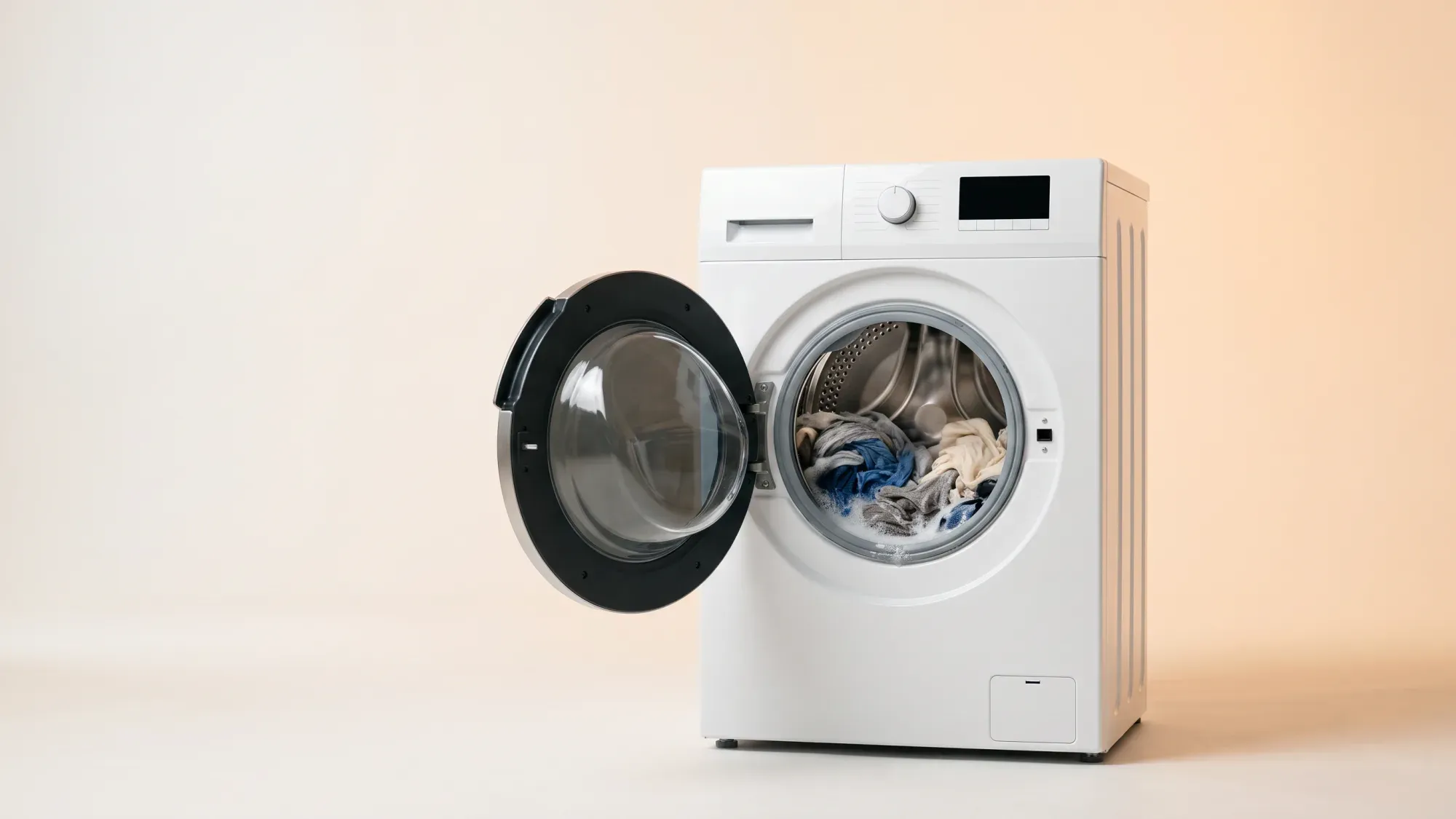
The cost of electricity in the UK changes throughout the day, becoming more expensive when demand is high and cheaper when it's low. Understanding these 'peak' and 'off-peak' periods can significantly reduce your household electricity bills, especially if you can adjust when you use high-energy appliances. This guide explains how these Time-of-Use tariffs work, how to leverage them, and what you need to get started.
Discover how Fuse Energy can help you make the most of varying electricity rates with clear pricing and smart insights. Switch to Fuse Energy today and take control of your energy usage here.
Enter your address to get a quote and see how much you could save
What are peak and off-peak electricity times?
Peak and off-peak electricity times refer to specific periods when the cost of electricity changes based on the overall demand on the National Grid. Energy suppliers offer tariffs that reflect these fluctuations, charging different rates at different times of the day.
Understanding energy demand and pricing
The UK's electricity grid experiences varying levels of demand throughout a 24-hour cycle. Demand typically surges during mornings and evenings when most people are at home, cooking, watching TV, or charging devices. This increased demand puts more strain on the grid, leading to higher wholesale electricity prices. Conversely, demand usually drops overnight and during the middle of the day, making electricity cheaper to supply. Suppliers pass these cost differences onto consumers through Time-of-Use (ToU) tariffs, incentivising them to shift demand and help balance the National Grid.
Peak and off-peak hours vary
While there are general patterns, specific peak and off-peak hours vary significantly by supplier and tariff. It's crucial to check the exact timings for any tariff you consider, as they are not universal. These hours are designed to encourage energy use when the grid is less stressed.
How do Time-of-Use tariffs work?
Time-of-Use (ToU) tariffs are designed to charge you different rates for electricity depending on the time of day you use it. This structure allows you to pay less for your energy if you can shift your consumption to off-peak periods.
What is a Time-of-Use (ToU) tariff?
A Time-of-Use (ToU) tariff charges different rates for electricity at various times of the day, reflecting wholesale market prices. These tariffs incentivise consumers to use electricity during off-peak hours when demand is lower, helping to balance the National Grid and potentially reducing household energy bills by making cheaper rates available.
Dual-rate tariffs: Economy 7 and beyond
The most common type of ToU tariff in the UK is a dual-rate tariff, often exemplified by Economy 7. Economy 7 tariffs offer a cheaper rate for seven hours, typically overnight, and a higher rate for the remaining 17 hours. These tariffs were originally designed for homes with electric storage heaters that could charge up during the cheaper night-time hours. Modern dual-rate tariffs offer similar benefits but might have more flexible off-peak windows or be designed to integrate with smart home devices and electric vehicle charging.
The role of your meter in Time-of-Use tariffs
To accurately bill you for electricity used at different rates, dual-rate tariffs require a compatible meter. This can be a smart meter, which records your consumption in half-hourly intervals and sends readings automatically to your supplier. Some older properties may also have a multi-register meter (sometimes called a dual-rate or two-rate meter), which tracks peak and off-peak usage separately. Eligibility for off-peak or dual-rate tariffs is determined by your meter's configuration. Without a compatible meter, a standard single-rate meter cannot differentiate between peak and off-peak consumption, making you ineligible for these tariffs.
Benefits of optimising your energy usage
Shifting your electricity consumption to off-peak hours offers several advantages beyond just saving money. It empowers you to take control of your energy use and contributes to a more efficient energy system.
Reducing your electricity bills
The most immediate benefit of using off-peak electricity is the potential for significant savings on your energy bills. Off-peak electricity rates can be substantially lower than peak rates, depending on the tariff. By moving high-energy tasks like running your washing machine, dishwasher, or charging an electric vehicle to these cheaper periods, you can reduce your overall electricity costs. The average UK home uses around 2,500 kWh of electricity per year, so even small shifts can add up to noticeable savings.
Supporting a more stable and greener grid
When you use electricity during off-peak hours, you help to reduce strain on the National Grid during peak demand. This contributes to grid stability, making blackouts less likely. Furthermore, shifting demand to off-peak times can help integrate more renewable energy sources, such as wind and solar, which often generate electricity when demand is lower. By using energy when it's most abundant, you're indirectly supporting a cleaner, more sustainable energy system for the UK.
The freedom to use more for less
Traditional energy advice often focuses on using less energy. However, with dual-rate tariffs, you gain the freedom to use more energy for less cost during off-peak times. This means you can run appliances without constantly worrying about the expense, charge your electric vehicle more economically, or even consider home battery storage to maximise your savings. It shifts the focus from scarcity to smart usage, giving you more power to play with.
Practical strategies for off-peak energy use
Making the most of off-peak electricity involves a bit of planning and, in some cases, leveraging smart technology. Here are some practical ways to shift your energy consumption.
Shifting high-consumption appliances
Identify the appliances in your home that use the most electricity. These typically include:
- Washing machines and tumble dryers: Use their delay-start functions to run cycles overnight or during designated off-peak daytime hours.
- Dishwashers: Similar to laundry appliances, schedule your dishwasher to run when rates are lowest.
- Electric ovens and hobs: If you cook frequently, consider preparing meals or doing batch cooking during off-peak periods if practical.
- Electric showers and immersion heaters: If you have an electric immersion heater, set it to heat water during off-peak times.
Smart home technology and automation
Smart home devices can automate the process of shifting your energy use, making it effortless:
- Smart plugs: Plug in non-smart appliances (like lamps or slow cookers) to smart plugs and schedule them to turn on and off during off-peak hours via an app.
- Smart thermostats: Optimise your heating schedule to take advantage of cheaper electricity, especially if you have electric heating or a heat pump.
- Smart appliance integration: Many modern washing machines, dishwashers, and tumble dryers can connect to your home Wi-Fi and be programmed or controlled remotely.
Electric vehicle charging optimisation
Electric vehicles (EVs) are one of the biggest energy consumers in a modern home. Charging an EV during peak hours can be expensive, but shifting it to off-peak times offers substantial savings. Most EV chargers and many electric vehicles themselves have built-in scheduling features that allow you to set specific charging times. This ensures your car charges when electricity is cheapest, often overnight, so it's ready to go by morning. For more tips on powering your EV, read our guide on electric vehicle charging at home.
Smart meters: your gateway to dual-rate tariffs
Smart meters are highly beneficial for accessing and benefiting from modern dual-rate electricity tariffs. They provide the necessary data for accurate billing and give you insights into your energy consumption.
Why a smart meter is highly beneficial
Modern Time-of-Use tariffs, including most dual-rate options, benefit greatly from the detailed consumption data that smart meters provide. These meters record your electricity usage in half-hourly increments and send this data directly to your energy supplier. This means you're billed precisely for the energy you use during peak and off-peak periods, without needing to submit manual readings. While compatible multi-register manual meters can also facilitate dynamic tariffs, smart meters offer a more seamless experience.
Why are smart meters highly beneficial for off-peak tariffs?
Smart meters are highly beneficial for off-peak tariffs because they accurately record electricity consumption at different times of the day and automatically send this data to your supplier. This enables precise billing for peak and off-peak rates, provides consumers with detailed usage insights, and is often a prerequisite for accessing the most competitive Time-of-Use tariffs available in the UK.
The Radio Teleswitch Service (RTS), which supported many legacy multi-rate meters, is being phased out, with the switch-off commencing on 30 June 2025. This means that older meters relying on RTS signals will need to be replaced with smart meters to continue accessing Time-of-Use tariffs. You can learn more about smart meter installation and how it benefits your home.
Upgrading to a smart meter for off-peak benefits
If you currently have a traditional meter, upgrading to a smart meter is usually straightforward and often free. Energy suppliers are rolling out smart meters across the UK as part of a government-backed programme. Once you have a smart meter installed, you'll be able to access a wider range of Time-of-Use tariffs and start taking advantage of cheaper off-peak electricity. Fuse Energy, for example, offers free smart meter upgrades for manual meters once you've switched to them.
Choosing the right peak and off-peak tariff
Selecting the best dual-rate tariff involves understanding your household's energy needs and comparing what's available.
Assessing your energy habits
Before switching, take stock of your current energy usage. Consider:
- When do you use the most electricity? Can you realistically shift significant portions of this usage to off-peak hours?
- Do you have an electric vehicle? This is a prime candidate for off-peak charging.
- Are you willing to use delay timers on appliances?
- Do you have smart home devices that can automate usage?
If your lifestyle makes it difficult to use much energy during off-peak times, a dual-rate tariff might not offer substantial savings, and a single-rate tariff could be more suitable. Understanding your energy bill can also help you assess your usage patterns.
Comparing tariff options
Once you understand your habits, compare dual-rate tariffs from different suppliers. Look beyond just the off-peak rate; also consider the peak rate and the daily standing charge, as these can significantly impact your overall bill. Some tariffs might have very low off-peak rates but high peak rates, which could be more expensive if you can't shift enough usage. Check the exact off-peak hours, as these vary. Ofgem, the UK's energy regulator, oversees energy tariffs and provides advice on switching.
Making the switch to a smarter tariff
If a dual-rate tariff aligns with your energy habits and offers potential savings, making the switch is usually simple. You'll need a smart meter or a compatible multi-register meter. Your new supplier will handle the switching process. By choosing a smarter tariff, you gain more control over your energy costs and contribute to a more efficient and sustainable energy system.
Ready to take control of your energy bills and make the most of off-peak electricity? Fuse Energy offers clear pricing, real-time usage data through our app, and 24/7 human customer support to help you understand and manage your energy. Switching is quick and easy, allowing you to start saving and contribute to a greener grid. Click here to switch to Fuse Energy today. You can also learn more about our mission to make energy abundant by clicking here.
Disclaimer
For the avoidance of doubt, this article is provided for informational purposes only and is not intended to constitute legal or financial advice. The author and/or Fuse Energy shall not be responsible for any losses arising out of any reliance on the information contained herein.