Gas-free home: electric alternatives
Living in a home without a gas supply does not mean compromising on comfort or efficiency. Many UK homes, particularly in rural areas or new developments, are not connected to the national gas grid. The UK is also actively transitioning towards decarbonised heating and energy systems. Modern electric alternatives for heating, hot water, and cooking are increasingly efficient, cost-effective, and environmentally friendly, offering a comfortable, gas-free lifestyle.
Embracing a gas-free home means choosing modern, efficient electric solutions. Fuse Energy is here to support your journey, making it simple to manage your electricity supply and maximise your home's efficiency. Click here to get started with Fuse Energy today.
Enter your address to get a quote and see how much you could save
Understanding your gas-free home
Homes without a gas connection are more common than you might think. Whether it is a new build in an area not served by the gas network or an older property where the gas supply has been disconnected, homeowners need practical, efficient, and affordable solutions for heating, hot water, and cooking.
Why many homes lack a gas connection
The primary reason a home might lack a gas connection is its location relative to the national gas grid. Extending the gas network can be prohibitively expensive for individual properties, especially in rural or sparsely populated areas. Newer developments are also increasingly built without gas infrastructure, aligning with the UK's long-term energy strategy to reduce reliance on fossil fuels.
The benefits of going gas-free
Moving away from gas offers several compelling advantages. An all-electric home simplifies your energy setup, often requiring only one bill and one supplier. It also provides greater flexibility to incorporate renewable energy sources like solar panels. Modern electric appliances are highly efficient, contributing to lower running costs and a smaller carbon footprint. This approach aligns with a future where energy is abundant and clean.
Efficient heating solutions without gas
Heating is often the biggest energy consumer in a home. For properties with no gas supply, a range of electric heating options can provide warmth efficiently.
Air source heat pumps
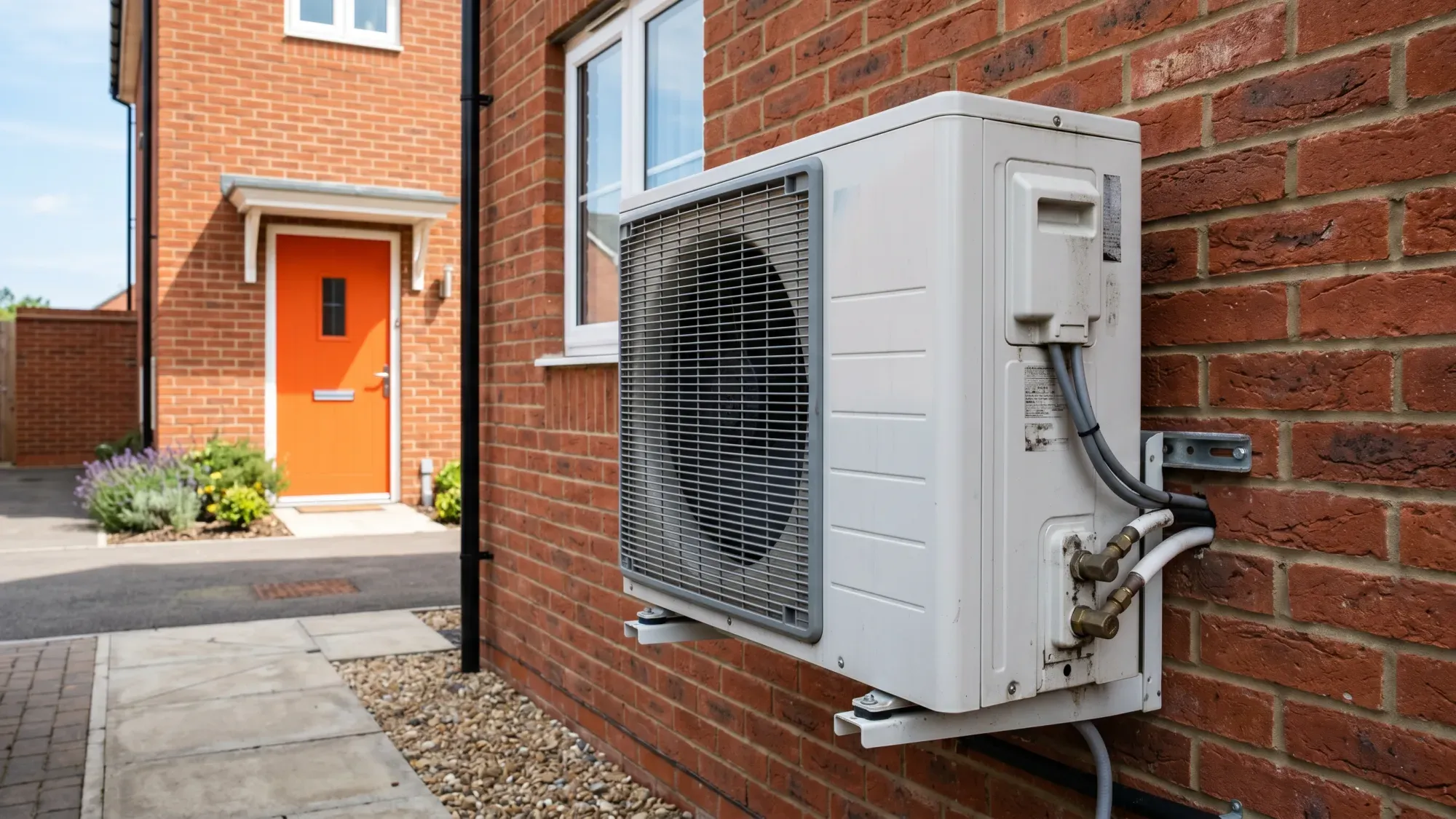
Air source heat pumps are a highly efficient way to heat your home without gas. They work by extracting heat from the outside air, even when temperatures are low, and transferring it indoors. These systems can achieve efficiencies of 300% or more, meaning they produce at least three units of heat for every unit of electricity consumed. This makes them significantly more efficient than traditional electric resistance heating. Homeowners in England and Wales may be eligible for grants under the Boiler Upgrade Scheme (BUS)1 to help with the installation costs of low-carbon heating systems like heat pumps.
Electric boilers
Electric boilers heat water for your central heating system, much like a gas boiler, but they use electricity instead of burning fossil fuels. While they convert nearly 100% of the electricity they use into heat, their running costs can be higher than heat pumps as they do not benefit from the same efficiency gains. They are a good option where space is limited or as a direct replacement for an old gas boiler in a property switching to all-electric.
Direct electric heating (storage heaters, infrared panels)
Direct electric heating options include modern storage heaters and infrared panels. Storage heaters charge up overnight using cheaper off-peak electricity and release heat throughout the day. Infrared panels offer targeted heating, warming objects and people directly rather than the air, which can be effective in certain spaces. These solutions are often simpler to install and can be a cost-effective choice for smaller homes or specific rooms, especially when combined with smart controls and a suitable electricity tariff.
Reliable hot water systems
Providing hot water without a gas boiler is straightforward with modern electric systems.
Electric immersion heaters
Electric immersion heaters are a common solution for hot water in gas-free homes. They consist of an electric heating element submerged in a hot water cylinder. They can be very effective, especially when paired with an economy tariff that allows for heating water during cheaper off-peak hours.
Heat pump water heaters
Similar to air source heat pumps for central heating, heat pump water heaters extract heat from the air to warm water in a storage tank. They are considerably more efficient than standard electric immersion heaters, offering significant energy savings over time.
Solar thermal (as an adjunct)
Solar thermal systems use solar panels to absorb sunlight and heat water directly, which is then stored in a hot water cylinder. While they cannot typically provide all of a home's hot water needs year-round in the UK, they can significantly reduce the demand on your electric immersion or heat pump water heater, acting as an excellent adjunct system.
Modern electric cooking appliances
Cooking without gas is increasingly popular, with electric appliances offering precision, speed, and safety.
Induction hobs
Induction hobs are a favourite for many all-electric kitchens. They use electromagnetic fields to heat cookware directly, making them incredibly fast, energy-efficient, and safe, as the hob surface itself does not get hot. They offer precise temperature control, rivalling gas for culinary tasks.
Electric ovens and ranges
Modern electric ovens and ranges come with advanced features like fan-assisted cooking, pyrolytic self-cleaning, and precise temperature settings. They are generally easier to clean than gas ovens and provide consistent, even heat distribution for baking and roasting.
Other electric kitchen appliances
Beyond hobs and ovens, a range of electric appliances can complete your gas-free kitchen. Electric kettles, microwaves, slow cookers, and air fryers all contribute to an efficient cooking setup, offering convenience and reducing overall energy consumption.
Maximising energy efficiency and generation
An all-electric home thrives on efficiency. Reducing your overall energy demand and generating your own electricity can significantly enhance comfort and affordability.
Insulation and draught-proofing
The first step to an energy-efficient home is ensuring it is well-insulated. Proper loft, wall, and floor insulation, along with effective draught-proofing, minimises heat loss, reducing the amount of energy needed to keep your home warm. This is crucial for any heating system, but particularly beneficial for electric heating, as it directly impacts running costs.
Smart controls and thermostats
Smart controls and thermostats allow you to manage your heating and hot water systems more effectively. You can programme them to suit your lifestyle, ensuring energy is only used when and where it is needed. Many systems can be controlled remotely via an app, offering convenience and further opportunities for energy savings.
Plug-in solar panels and battery storage
Generating your own electricity can significantly offset your consumption. Plug-in solar panels are a convenient option for many, requiring no complex installation. A compliant 800W plug-in solar kit can legally connect to a standard UK socket since 27 August 2026, under SI 2026/848. This allows you to generate clean electricity directly into your home's circuit, reducing the amount you draw from the grid. While plug-in solar is not eligible for the Smart Export Guarantee (SEG), self-consumption remains the primary saving, and some suppliers may offer their own export tariffs.
When did plug-in solar become legal in the UK?
Compliant plug-in solar kits became legal to connect to a standard UK socket on 27 August 2026, following the enactment of SI 2026/848. This legislation permits devices meeting specific Interim Product Specifications, such as an 800W AC export limit, to be self-installed by homeowners.
Battery storage, while not yet covered by SI 2026/848 for plug-in systems, offers the potential to store excess solar generation or cheaper off-peak electricity for use during peak times, further maximising self-sufficiency.
Choosing an electricity supplier for your all-electric home
Selecting the right electricity supplier is key to optimising your gas-free home.
Tariffs for high electricity usage
Homes without a gas supply will naturally have higher electricity consumption than those with gas heating and cooking. The average UK home uses around 2,500 kWh of electricity per year, while a gas-free home could use significantly more. The average UK home uses around 9,500 kWh of gas per year.2 Look for suppliers that offer tariffs designed for higher electricity usage, such as time-of-use tariffs that provide cheaper rates during off-peak hours. This allows you to run appliances like washing machines, dishwashers, and charge storage heaters when electricity is most affordable. For example, the electricity unit rate for a typical Direct Debit customer on the Ofgem price-cap default tariff is 26.11p per kWh from 1 July to 30 September 2026.
Customer support and smart home integration
A good supplier will offer excellent customer service, providing support and advice tailored to all-electric homes. Fuse, for instance, provides 24/7 human customer support for all energy needs in a gas-free home. Look for suppliers that integrate with smart home technology, offering apps that provide transparent usage data, smart meter functionality, and tools to help you manage your energy consumption efficiently. Ofgem regulates the energy market to ensure fair practices and consumer protection, including promoting smart meter rollout.
The future of gas-free living
The future of gas-free living in the UK is bright, driven by advancements in electric technology and a clear commitment to decarbonisation. As energy suppliers develop tariffs and services specifically tailored for all-electric homes and smart energy management, homeowners can look forward to even more efficient, cost-effective, and environmentally friendly ways to power their lives. Embracing an all-electric lifestyle is not just about adapting to a lack of gas supply; it is about stepping into a modern, empowered way of living.
Managing your energy bills in an all-electric home should be clear and easy. Fuse Energy offers straightforward pricing and 24/7 human customer support, so you can see exactly what you are paying and get help whenever you need it. With smart meter integration, you can view detailed usage data through the app, helping you understand how to lower your bills and make the most of your gas-free lifestyle. Click here to switch to Fuse Energy today. Discover more about our mission to power a sustainable future by clicking here.
References
- UK Government. Boiler Upgrade Scheme (BUS)
- Ofgem. Review of Typical Domestic Consumption Values
Disclaimer
For the avoidance of doubt, this article is provided for informational purposes only and is not intended to constitute legal or financial advice. The author and/or Fuse Energy shall not be responsible for any losses arising out of any reliance on the information contained herein.