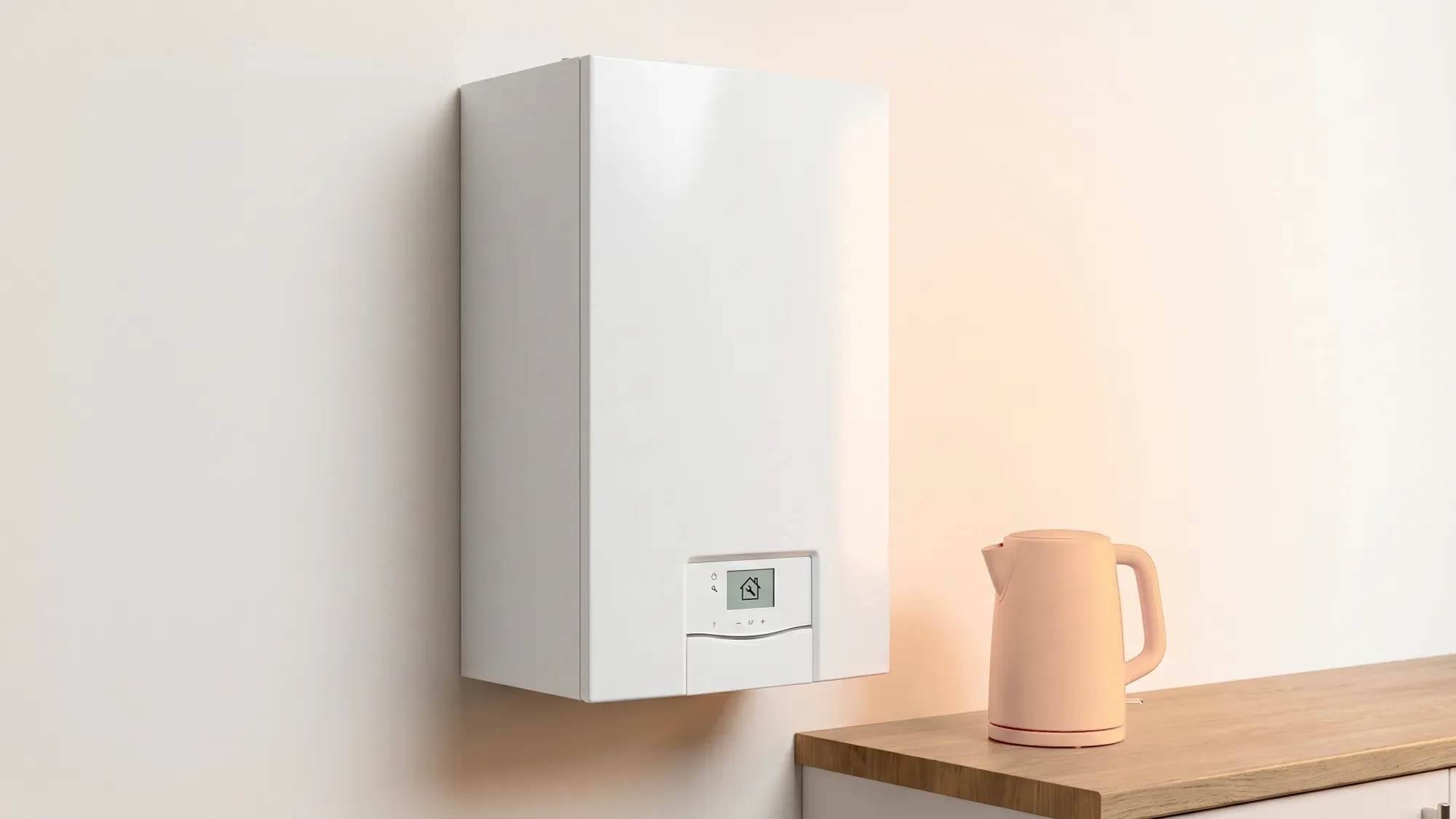
Getting a new boiler can be a significant expense, but financing options make upgrading your home's heating accessible by spreading the cost over manageable monthly payments. This guide explains how new boiler finance works, the types of options available, eligibility criteria, and the application process for UK homeowners.
Understanding new boiler finance
What is boiler finance?
Boiler finance allows you to purchase and install a new boiler without paying the full cost upfront. Instead, you pay for it in instalments over an agreed period, much like a loan. A new boiler installation in the UK typically costs between £2,000 and £4,500, making finance a popular choice for many households.
Why consider financing a new boiler?
Financing a new boiler helps manage the high upfront cost, making essential home improvements more affordable. Beyond spreading the expense, modern condensing boilers offer high efficiencies, significantly reducing energy waste compared to older models. New domestic boilers are required to have a minimum ErP efficiency of 92%. This improved efficiency can lead to lower running costs and a reduced carbon footprint, providing long-term savings that can offset the monthly finance payments.
Types of boiler finance available
Interest-free boiler finance
Interest-free boiler finance, often advertised as "0% boiler finance" or "new boiler 0 finance", means you pay back only the cost of the boiler and installation, with no additional interest charges. These plans are commonly available for terms ranging from 12 to 24 months. They can be an excellent way to upgrade your boiler without incurring extra costs, provided you can meet the monthly payments within the interest-free period.
Interest-bearing boiler loans
If you need a longer repayment period or do not qualify for interest-free options, interest-bearing boiler loans are available. These plans spread the cost over several years, typically with a fixed interest rate. While you will pay more overall due to the interest, the monthly payments are usually lower, making them more affordable for some budgets. It is crucial to understand the total cost of credit before committing to an interest-bearing agreement.
Other finance options
Beyond dedicated boiler finance, you might consider personal loans from banks or building societies. Some installers also offer "buy now, pay later" schemes, which can be interest-free if paid off within a specific timeframe, but can accrue significant interest if the balance is not cleared. Always compare the total cost and terms of any financing option.
Eligibility for boiler finance
Key criteria for applicants
To be eligible for boiler finance, providers in the UK typically require a credit check and proof of homeownership. You will usually need to be over 18, a permanent UK resident, and have a regular income. Lenders assess your financial stability to ensure you can comfortably manage the repayments.
Understanding credit checks
When you apply for finance, lenders perform a credit check. This involves reviewing your credit history to assess your creditworthiness. Some providers offer a "soft credit check" initially, which does not affect your credit score, allowing you to gauge your eligibility without commitment. A full application, however, usually involves a "hard credit check" that appears on your credit report.
The boiler finance application process
Getting a quote
The first step is to assess your current boiler's condition and research different new boiler models. While gas boilers are a common choice, some homeowners might also consider alternatives like an air source heat pump for their heating needs. Then, obtain detailed quotes from reputable installers that offer finance solutions. Ensure these quotes are comprehensive, covering the boiler, installation, and any associated costs.
Submitting your application
Once you have chosen an installer and a finance option, you will complete a finance application, usually online or through the installer. This will require personal and financial details, and the provider will conduct a credit check.
What happens next?
If your application is approved, you will receive the finance agreement details. After reviewing and signing the agreement, your chosen installer will arrange a convenient date for your new boiler installation.
Choosing the right boiler finance option
Comparing deals
When comparing boiler finance deals, look beyond just the monthly payment. Consider the total cost of credit, including any interest, fees, or early repayment charges. Also, factor in the installer's reputation and the quality of the boiler they offer. A cheaper finance option might not be the best if it comes with a less reliable installer or an inferior product.
Benefits of an efficient new boiler
Upgrading to an efficient new boiler offers more than just spreading costs. Modern condensing boilers can achieve efficiencies of over 90%, meaning more of the fuel you pay for is converted into heat for your home. This translates directly into lower energy bills and a reduced carbon footprint. While schemes like the Boiler Upgrade Scheme (BUS) support low-carbon heating systems such as air source heat pump grants, it does not apply to gas boiler installations.
Fuse Energy's Vaillant Ecotec Plus offer
Fuse Energy simplifies the process of financing a new, efficient Vaillant Ecotec Plus boiler, empowering homeowners to upgrade without upfront financial strain. We offer transparent finance options, giving you control over your home energy budget. By choosing finance for a high-efficiency Vaillant Ecotec Plus, you are not just getting a new boiler; you are investing in reduced energy waste and contributing to a more efficient overall energy system. Fuse offers finance exclusively for the Vaillant Ecotec Plus gas boiler, ensuring you never settle for an old, inefficient system.
For the avoidance of doubt, this article is provided for informational purposes only and is not intended to constitute legal or financial advice. The author and/or Fuse Energy shall not be responsible for any losses arising out of any reliance on the information contained herein.