Monocrystalline solar panels for your home
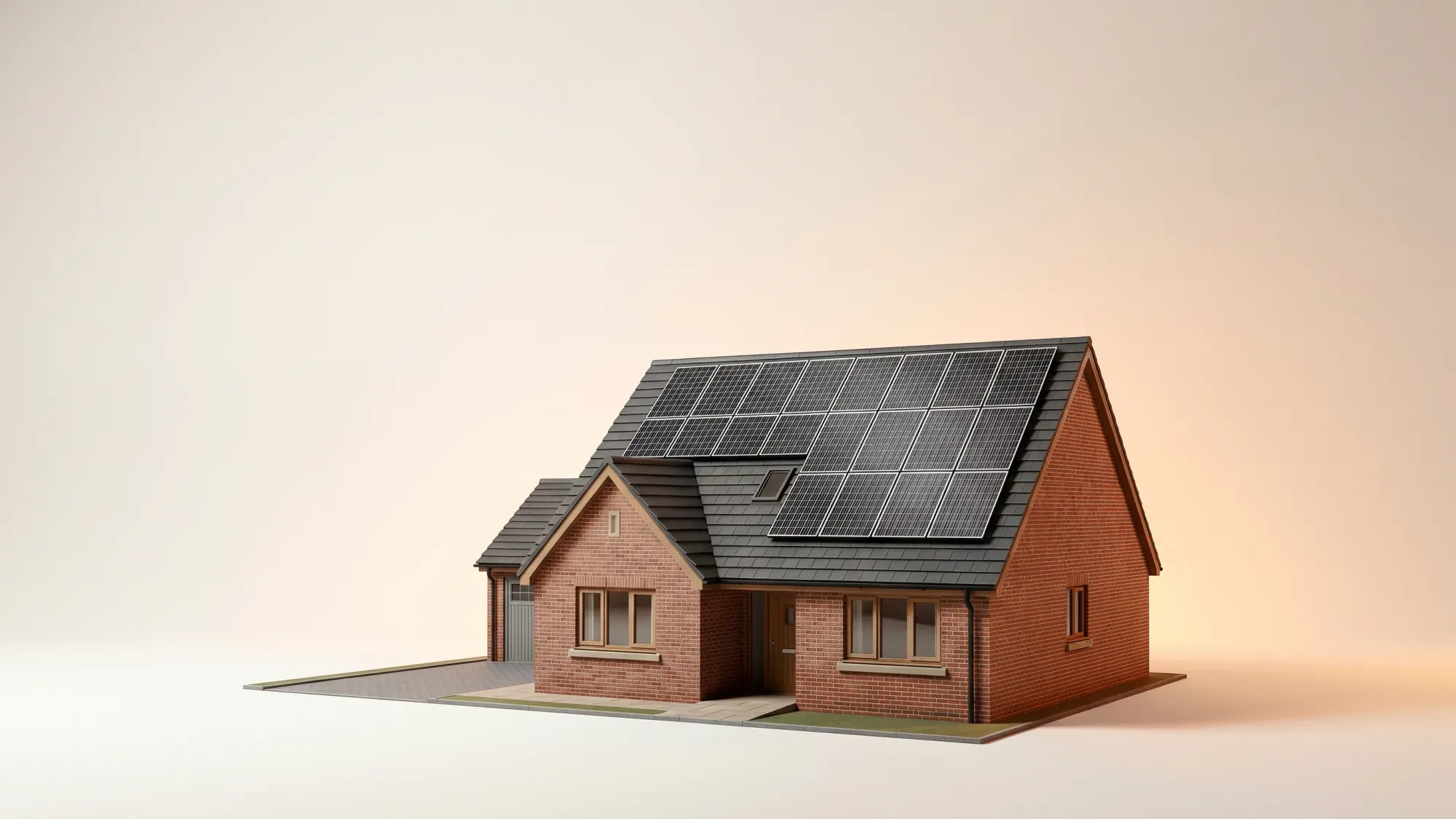
Monocrystalline solar panels are a premium choice for UK homeowners seeking efficient, durable, and aesthetically pleasing renewable energy solutions. They offer high performance, especially in limited roof spaces, and can significantly contribute to long-term energy independence. Understanding their technology, advantages, and how they perform in the UK's variable climate is key to making an informed investment.
What are monocrystalline solar panels?
Monocrystalline solar panels are a type of photovoltaic (PV) panel crafted from a single, continuous crystal of silicon. This distinct structure gives them a uniform appearance and superior efficiency compared to other panel types.
The science behind monocrystalline technology
The core of a monocrystalline solar panel is its photovoltaic cell, which converts sunlight into electricity through the photovoltaic effect. When photons from sunlight strike the silicon cells, they excite electrons, creating an electric current. The single-crystal silicon allows electrons to move more freely, enhancing electricity flow and output.
What makes monocrystalline solar panels efficient?
Monocrystalline solar panels are highly efficient because their cells are made from a single, pure silicon crystal. This uniform structure allows electrons to flow with minimal resistance, converting a greater percentage of sunlight into electricity. This purity and consistent crystal lattice contribute to their superior performance, especially in space-constrained installations.
Manufacturing process and appearance
The manufacturing process for monocrystalline panels involves growing cylindrical silicon ingots from molten, high-purity silicon using the Czochralski method. These ingots are then sliced into thin wafers to form individual solar cells. These cells are typically dark black and often have cut edges, giving the panels a uniform, sleek appearance. This distinct look is often preferred by homeowners for its ability to blend seamlessly with modern roofing.
Advantages for UK homeowners
Monocrystalline panels offer several compelling advantages that make them a popular choice for UK homes, balancing efficiency with aesthetics and long-term value.
High efficiency and space saving
Monocrystalline solar panels typically achieve efficiency ratings between 18% and 25%, with many residential models reaching 20-23%. This high efficiency means they can convert a greater percentage of sunlight into usable electricity. For homeowners with limited roof space, this is a significant benefit, as fewer panels are needed to generate the same amount of power compared to less efficient alternatives. A 4kW monocrystalline system, for example, can generate approximately 3,400 kWh of electricity annually, which is more than the average UK home's annual electricity use of around 2,500 kWh1.
Durability and longevity
Monocrystalline panels are known for their robust design and durability, often coming with warranties of 25 years or more. Many manufacturers guarantee that panels will still produce at least 80-85% of their original power output after 25 years. Their high-quality silicon construction and rigorous manufacturing processes contribute to their impressive lifespan, with some systems continuing to operate effectively beyond 30 years. This makes them a reliable long-term investment for energy generation.
Sleek aesthetics for modern homes
The uniform black appearance of monocrystalline panels is a key aesthetic advantage. Unlike the mottled blue of some other panel types, monocrystalline panels blend discreetly with most rooflines, enhancing the visual appeal of a property. This sleek design is particularly appealing for modern homes or for homeowners who are conscious of how solar panels integrate with their property's overall look.
Disadvantages and considerations
While monocrystalline panels offer significant benefits, it is important to consider their potential drawbacks.
Upfront costs
Monocrystalline panels typically have a higher upfront cost than other types due to their complex manufacturing process and higher efficiency. A single 350 Wp monocrystalline panel can cost between £150 and £350. For a full system, costs can range from £6,500 to £8,500 for a typical 4kW installation. However, this higher initial investment is often offset by greater long-term energy savings and a quicker return on investment due to their superior efficiency and durability.
Temperature sensitivity
All solar panels experience a slight decrease in efficiency as their temperature rises above an optimal operating point, typically 25°C. Monocrystalline panels have a temperature coefficient, meaning their power output typically decreases by approximately 0.3% to 0.5% for every degree Celsius above this threshold. While this is a general characteristic of silicon-based solar cells, it's a factor to consider, especially during prolonged hot spells. However, the UK's generally moderate climate can sometimes be advantageous, as cooler temperatures can actually improve panel efficiency.
Monocrystalline vs polycrystalline solar panels
When choosing solar panels, homeowners often compare monocrystalline with polycrystalline options. The differences lie in their construction, performance, and cost.
Efficiency and performance
Monocrystalline panels are generally more efficient, with residential models typically achieving 20-23% efficiency. Polycrystalline panels, made from multiple silicon crystals, usually have a slightly lower efficiency, often ranging from 15-18%. This means monocrystalline panels can generate more electricity from the same area, making them ideal for homes with limited roof space. Monocrystalline panels also tend to perform better in low-light conditions, which is beneficial in the UK's often cloudy climate.
Cost comparison
Polycrystalline panels are generally more budget-friendly upfront due to a simpler manufacturing process. However, the price gap between monocrystalline and polycrystalline panels has narrowed, making monocrystalline's efficiency advantage more appealing for many homeowners. While monocrystalline panels might cost more per watt initially, their higher output can mean needing fewer panels for the same energy goal, potentially reducing overall installation costs and leading to greater long-term savings.
Appearance and durability
Monocrystalline panels are easily identifiable by their uniform black colour and sleek appearance, which many homeowners find more aesthetically pleasing. Polycrystalline panels have a mottled blue appearance due to the multiple silicon crystals. In terms of durability, both types are built to last, but monocrystalline panels often boast a slightly longer lifespan and lower degradation rates, typically around 0.3-0.5% annually after an initial drop.
Performance in UK weather conditions
The UK's weather is often perceived as a challenge for solar power, but monocrystalline panels are well-suited to these conditions.
Cloudy days and low light
Solar panels, particularly monocrystalline types, are effective even on cloudy days. They convert diffuse light into electricity, meaning generation continues even when direct sunlight is obscured. While output is reduced compared to bright, sunny days, panels can still produce 10-25% of their rated output on heavily overcast days, and 50-80% under light or patchy cloud cover. The UK's moderate temperatures can also be an advantage, as solar panels perform more efficiently in cooler conditions, with high temperatures potentially reducing efficiency.
Maximising output year-round
To maximise output year-round, proper installation and system design are crucial. This includes optimising panel angle and orientation, and ensuring minimal shading. Regular, minimal maintenance, such as occasional cleaning, can also help maintain efficiency. Rain, common in the UK, can even be beneficial by washing away dirt and debris from the panels.
Maximising your monocrystalline solar investment
Investing in monocrystalline solar panels is a step towards energy independence. Maximising that investment involves understanding available incentives and optimising your energy usage.
Smart Export Guarantee (SEG) and tariffs
The UK's Smart Export Guarantee (SEG) is a government-backed scheme that ensures homeowners with renewable energy systems, such as solar panels, are paid for any surplus electricity they export back to the grid. To be eligible for SEG payments, your solar panel installation must comply with Microgeneration Certification Scheme (MCS) standards. MCS certification ensures that your system meets universal quality and safety standards. Homeowners should shop around for the best SEG tariff, as rates can vary between suppliers.
What is the SEG?
The SEG is a UK government scheme that requires licensed electricity suppliers to pay small-scale generators for the surplus renewable electricity they export to the National Grid. This scheme allows homeowners with eligible technologies like solar panels to earn money for the energy they generate but don't use themselves, supporting the financial return on their investment.
Energy management with the Fuse app
Once your monocrystalline solar panels are installed, smart energy management becomes crucial for optimising your investment. The Fuse app helps you manage and optimise the use of your generated electricity and take advantage of smart tariffs for exported energy. Fuse Energy does not install solar panels, but it provides the smart ecosystem to maximise the abundance of energy your panels generate.
Long-term energy independence
Monocrystalline solar panels, combined with smart energy management, offer a path to long-term energy independence. By generating your own electricity and optimising its use and export, you can significantly reduce your reliance on grid imports and insulate yourself from fluctuating energy prices. This approach turns your solar generation into power to play with, empowering you to control your energy future.
References
Disclaimer
For the avoidance of doubt, this article is provided for informational purposes only and is not intended to constitute legal or financial advice. The author and/or Fuse Energy shall not be responsible for any losses arising out of any reliance on the information contained herein.