Local solar Feed-in Tariff: earn from your energy
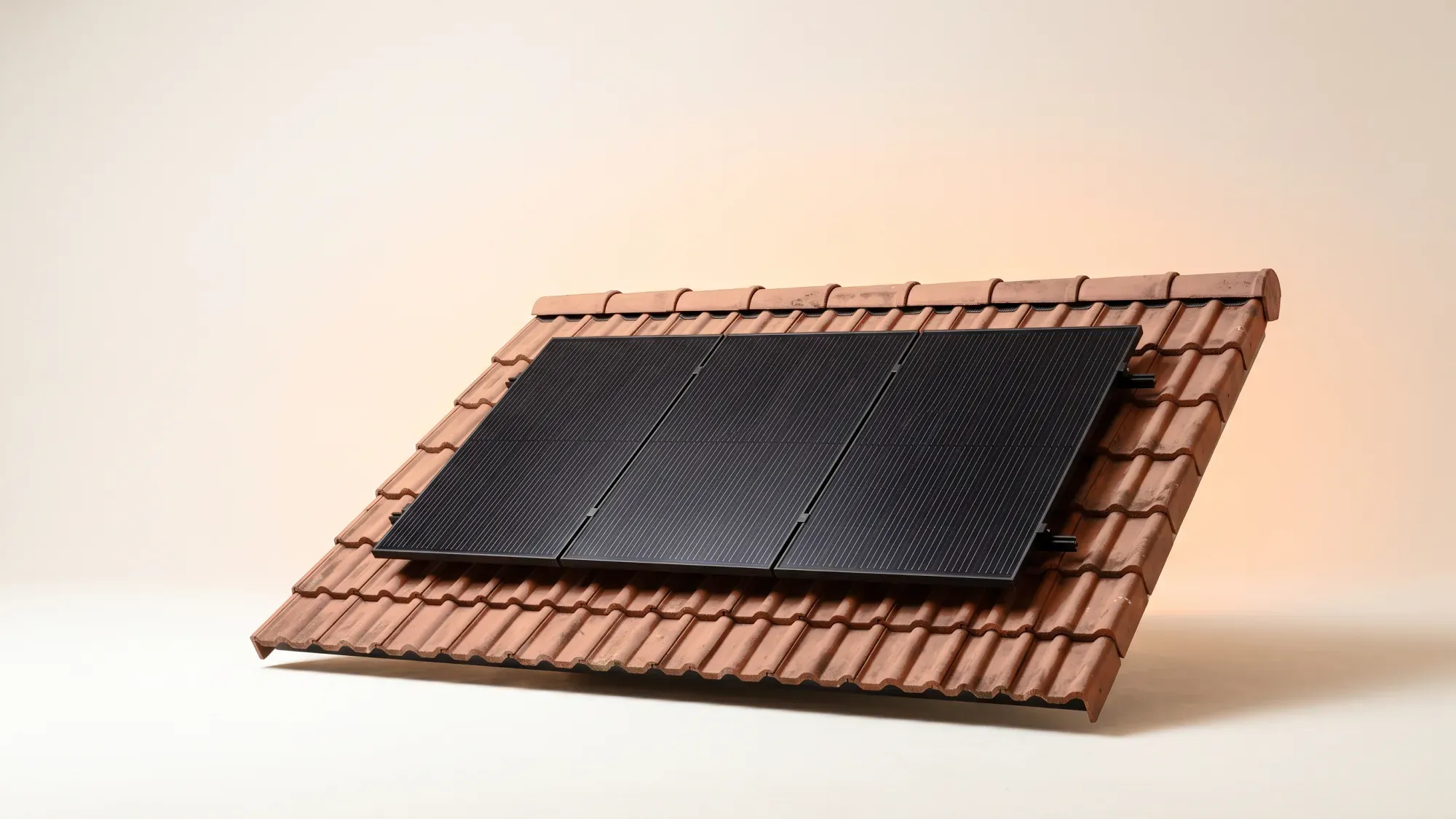
UK homeowners with solar panels can earn from their exported electricity, but the system has changed significantly from the original Feed-in Tariff (FiT) scheme. The current mechanism, the Smart Export Guarantee (SEG), offers supplier-specific rates nationwide, allowing you to make a "power play" with your surplus energy. This guide explains how to navigate the SEG to maximise your earnings.
Make the most of your solar panel investment with Fuse Energy. We offer a competitive SEG rate for your exported electricity, helping you earn from your surplus energy. Click here to switch to Fuse Energy today.
Enter your address to get a quote and see how much you could save
Understanding UK solar export payments
The landscape for payments for exported solar energy in the UK has evolved, transitioning from a fixed government scheme to a market-driven approach. Understanding this shift is key to earning from your solar panels today.
The legacy of the Feed-in Tariff (FiT)
The Feed-in Tariff (FiT) scheme was a government initiative launched in April 2010 to encourage the uptake of small-scale renewable electricity generation. It provided payments for both the electricity generated and any surplus exported to the grid. However, the FiT scheme closed to new applications on 31 March 2019, meaning new solar installations are not eligible for these payments.
Introducing the Smart Export Guarantee (SEG)
Replacing the FiT scheme, the SEG was introduced on 1 January 2020. This scheme requires larger energy suppliers to offer a tariff for electricity exported to the grid by small-scale low-carbon generators, including solar panels. Unlike FiT, SEG rates are set by individual energy suppliers and can vary significantly.
"Local" rates: supplier-specific, not geographic
When searching for a "local solar Feed-in Tariff", it's important to understand that the term "local" in this context does not refer to geographically varying rates. Instead, SEG rates are supplier-specific, meaning each energy company sets its own rate for exported electricity. These rates are available nationwide from that supplier, rather than being tied to your specific postcode. This means the best "local" rate for you is simply the most competitive SEG rate offered by any eligible supplier across the UK.
How the Smart Export Guarantee (SEG) works
The SEG scheme is designed to ensure that homeowners with eligible renewable energy systems receive a payment for the electricity they export. Here’s how it operates.
Eligibility requirements for SEG
To be eligible for an SEG tariff, your solar panel installation must be certified under the Microgeneration Certification Scheme (MCS) or an equivalent scheme. This certification ensures your installation meets a high standard of quality and safety. Additionally, your installation must have a total installed capacity of up to 5MW (or 50kW for micro-CHP).
What is the MCS?
The MCS is a quality assurance programme for renewable energy technologies and installers in the UK. It ensures that installations like solar panels meet rigorous standards for performance and safety. MCS certification is a mandatory requirement for homeowners to be eligible for the SEG and receive payments for exported electricity.
The role of your smart meter
A smart meter, or a meter capable of providing half-hourly export readings, is typically required for participating in the SEG scheme. This type of meter accurately measures the amount of electricity your solar panels export to the grid, allowing your energy supplier to calculate your payments. Without a meter capable of recording these export readings, you won't be able to receive SEG payments.
Applying for an SEG tariff
Once your solar panels are installed and MCS certified, and you have a smart meter, the process to apply for an SEG tariff involves a few steps:
- Compare SEG rates: Research different energy suppliers to find the most competitive rates available.
- Choose a supplier: You don't have to choose your import electricity supplier for your SEG tariff; you can pick any licensed supplier offering an SEG tariff.
- Apply: Contact your chosen supplier and complete their application process. You'll typically need to provide details of your MCS certificate and smart meter.
- Provide readings: Ensure your smart meter is sending automatic readings, or provide manual readings if required by your supplier.
Maximising your solar export earnings
Making the most of your solar energy means not just generating electricity, but also strategically managing how and when you export it.
Comparing Smart Export Guarantee rates
SEG rates can vary significantly between suppliers, so comparing them is crucial. Some suppliers offer flat rates, while others may have variable rates that change depending on the time of day, rewarding you for exporting when demand on the grid is higher. Fuse Energy, for example, offers a competitive SEG rate of 13p/kWh for exported solar electricity.
Understanding different tariff structures
Beyond the headline rate, consider the tariff structure. Some tariffs might offer a higher rate but come with specific conditions, such as requiring you to be an electricity import customer with the same supplier. Others might offer a slightly lower rate but provide more flexibility. The average UK home uses around 2,500 kWh of electricity per year, so even small differences in export rates can add up over time.
Optimising your solar generation and usage
To maximise your earnings, consider how you use the electricity you generate. Using your own solar power reduces the amount you need to import from the grid, saving you money. Exporting surplus electricity when rates are highest can further boost your income. Technologies like battery storage can help you store excess generation to use later or export at peak times.
Fuse Energy: making your solar a power play
Fuse Energy empowers homeowners to turn their solar panel investment into a "power play," giving them control over their energy and earnings.
Our competitive Smart Export Guarantee rate
Fuse Energy offers a competitive SEG rate of 13p/kWh for exported solar electricity. This attractive rate helps you maximise your earnings from the surplus energy your panels generate, contributing to a more abundant and decentralised energy system.
Digital tools for smart energy management
With Fuse's digital platform and app, you gain clear insights into your energy usage and generation. This transparency allows you to understand your energy flows, optimise your consumption, and make informed decisions about when to export, giving you greater control over your solar earnings.
Support for your solar journey
Fuse supports solar homeowners with 24/7 human customer support, ensuring a smooth experience when managing your exported energy. This commitment to support, combined with competitive rates and digital tools, means you're well-equipped to make the most of your solar investment.
The future of solar export and home energy
The energy landscape is continually evolving, and solar exports are set to play an even larger role in the UK's energy future.
Policy changes and market trends
Ofgem regulates the SEG scheme, requiring licensed electricity suppliers with at least 150,000 domestic customers to offer an SEG tariff. As the market matures, we may see further innovations in tariff structures and incentives for renewable energy generation. These trends aim to encourage more distributed generation, contributing to a more resilient and sustainable energy grid.
Integrating batteries and electric vehicles
The integration of home battery storage and electric vehicles (EVs) will further transform how homeowners interact with the grid. Batteries allow you to store excess solar generation for later use or export, while smart EV charging can utilise your own solar power, reducing reliance on grid electricity. This creates a more dynamic and efficient home energy ecosystem.
Empowering homeowners with abundant energy
The shift towards SEG and the rise of smart home energy technologies empower homeowners to take an active role in the energy system. By generating their own power and earning from their exports, individuals contribute to a future where energy is more abundant and accessible, moving away from a scarcity mindset towards one of control and capability.
Managing your solar exports should be simple and rewarding. Fuse Energy provides clear pricing, real-time usage data through our app, and 24/7 human customer support to help you make the most of your solar panels. Switch to Fuse Energy today and join a community that's building a future with power to play with. Click here to get started, or learn more about our mission here.
Disclaimer
For the avoidance of doubt, this article is provided for informational purposes only and is not intended to constitute legal or financial advice. The author and/or Fuse Energy shall not be responsible for any losses arising out of any reliance on the information contained herein.