Your Landis+Gyr smart meter
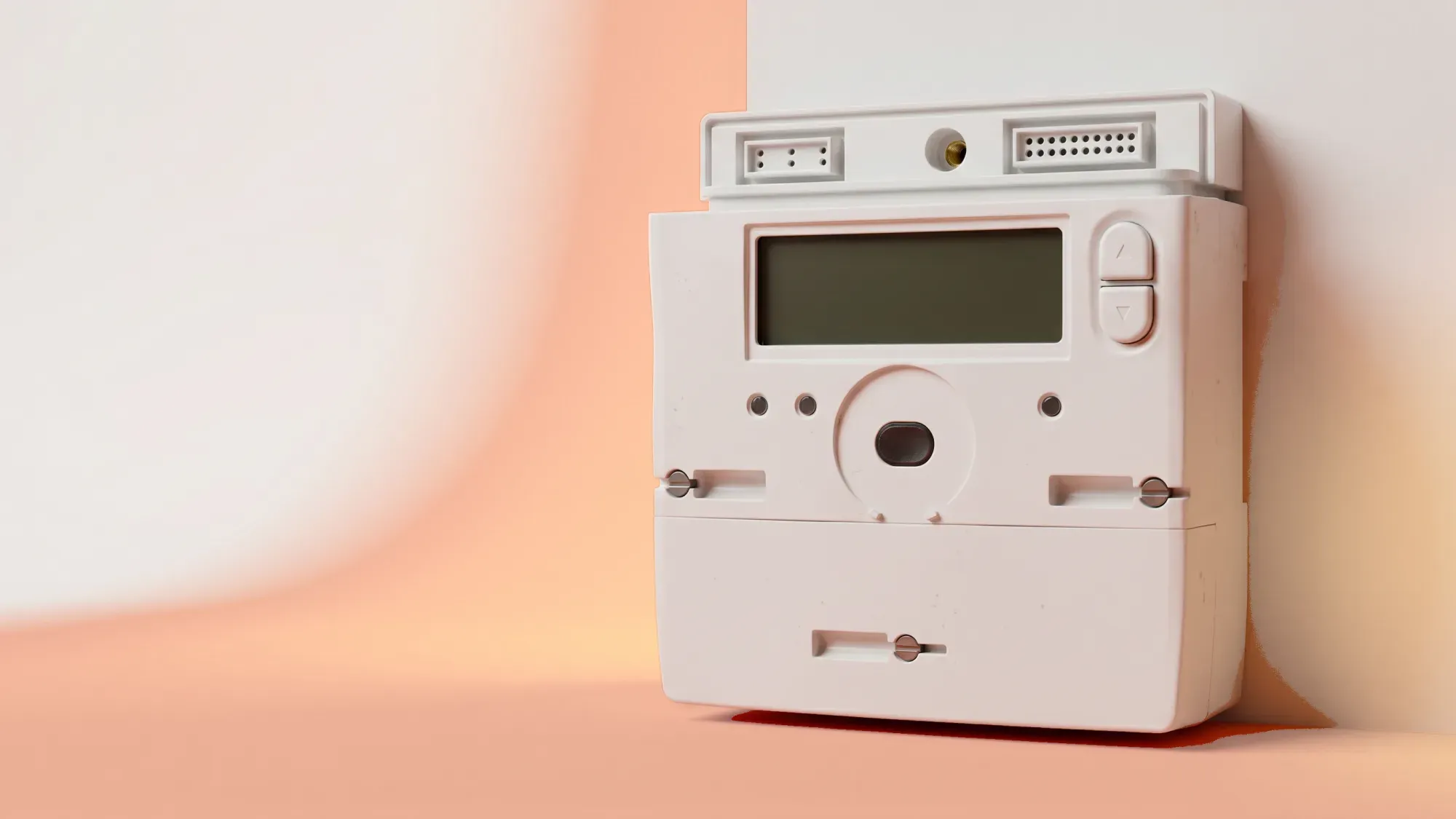
Your Landis+Gyr smart meter is more than just a device; it is your gateway to making a "power play" with your energy. Understanding how to use it, especially common models like the Landis+Gyr E470, can help you manage your energy effectively and gain genuine control over your bills. For more general advice on reading your meter, see our guide on how to read your energy meter.
Managing your energy effectively starts with understanding your usage. Fuse Energy helps you do this by providing clear insights into your consumption, making it easier to control your bills. Click here to switch to Fuse Energy today.
Enter your address to get a quote and see how much you could save
Understanding your Landis+Gyr smart meter
Landis+Gyr is a major manufacturer of smart meters, with millions deployed across Great Britain. These devices are a core component of the UK's initiative to modernise its energy infrastructure.
The UK's smart meter rollout
The UK government initiated the smart meter rollout in Great Britain in 2011, aiming for every home and small business to be offered a smart meter. The programme's goal is to complete the domestic smart meter rollout by 31 December 2030. As of the end of 2025, 41 million smart and advanced meters were in homes and small businesses across Great Britain. This represents 71% of all meters, with over 37 million operating in smart mode. This rollout is intended to support a flexible, decarbonised energy system and provide consumers with access to smarter energy tariffs.
Key features and benefits
Landis+Gyr smart meters offer several key features designed to empower homeowners. They automatically send meter readings to your energy supplier, eliminating the need for manual submissions and ensuring more accurate bills. This real-time data also allows you to monitor your energy consumption, helping you identify patterns and make informed decisions about your usage. Smart meters are important for accessing flexible tariffs, such as time-of-use rates, which can reward you for using energy during off-peak hours. However, a smart meter is not strictly required for all off-peak or off-peak tariffs; eligibility is determined by the Standard Settlement Configuration (SSC) of your meter. Smart meters offer numerous advantages, from accurate billing to helping you understand your energy consumption.
Common Landis+Gyr models
The Landis+Gyr E470 is a common smart meter model installed in many UK households. It is a robust and reliable device that forms the backbone of many homes' energy management systems. While specific features can vary slightly between models, the E470 typically provides clear digital displays for electricity and gas consumption, along with buttons for navigating through different screens and information. Understanding its basic operation is key to unlocking its full potential.
SMETS1 vs SMETS2: what you need to know
The distinction between SMETS1 and SMETS2 meters is important for homeowners, particularly when considering switching energy suppliers. SMETS stands for Smart Metering Equipment Technical Specification, and it defines the technical standards for smart meters in Great Britain.
Identifying your SMETS version
Identifying whether you have a SMETS1 or SMETS2 meter can sometimes be tricky, as the meter itself might not explicitly state the version. Generally, SMETS2 meters were rolled out more recently and are designed to maintain smart functionality even if you switch energy suppliers. If your smart meter was installed after 2018, it is highly likely to be a SMETS2 meter, as these became the standard from that year. If it was installed before then, it could be a SMETS1. A simple way to check is to contact your energy supplier, who can confirm your meter's SMETS version.
Practical implications for homeowners
The main practical implication of SMETS1 versus SMETS2 lies in switching energy suppliers. Older SMETS1 meters sometimes lost their smart functionality when a customer switched to a different supplier, reverting to a "dumb" meter that required manual readings. However, many SMETS1 meters have now been upgraded to work on the national smart meter network (Data Communications Company, or DCC), allowing them to retain smart functionality even after switching. SMETS2 meters are designed to be interoperable from the outset, meaning they should always work seamlessly with any supplier on the network. This ensures you can always benefit from accurate billing and access to smart tariffs, regardless of your provider.
How to read your Landis+Gyr e470 smart meter
Reading your Landis+Gyr E470 smart meter is straightforward once you understand its display and buttons. This meter typically shows your energy consumption in kilowatt-hours (kWh) for electricity and cubic metres (m³) or kilowatt-hours (kWh) for gas.
Navigating the display
The E470 meter usually has a digital screen that cycles through various readings automatically. If the screen is blank, you may need to press a button to wake it up. For electricity consumption, look for readings labelled "IMP" or "TOTAL Act Import". For gas, you might see "Volume" followed by m³ or kWh. Some meters also display peak and off-peak readings if you are on an off-peak tariff.
Understanding your readings
Your electricity usage is measured in kilowatt-hours (kWh). This is the unit you are billed for. Gas usage is often displayed in cubic metres (m³) and then converted to kWh for billing purposes. The average UK home uses around 2,700 kWh of electricity per year, which is roughly 7.4 kWh per day. By regularly checking your meter, you can track your daily, weekly, or monthly consumption and see how different activities impact your energy use.
What is an off-peak tariff?
An off-peak tariff offers different prices for electricity at different times of the day, typically a cheaper rate during off-peak hours and a higher rate during peak times. Eligibility for these tariffs is determined by your meter's SSC, which can be supported by both smart meters and certain multi-register meters.
What the buttons do
Most Landis+Gyr E470 meters have one or two buttons, often labelled "A" and "B" or with symbols.
- Button A (or the main button): This button is typically used to wake the screen and scroll through different display screens, showing your current reading, historical usage, and potentially tariff information.
- Button B (or the secondary button): If present, this button might be used for backlight or to access other menus. On some models, holding it down can open the Tariff Display List.
Experiment by pressing the buttons briefly to cycle through the display. If you hold a button down, it might access a different menu or function. Refer to your meter's specific user guide if you need more detailed instructions, or contact your energy supplier for assistance.
Troubleshooting common Landis+Gyr smart meter issues
While Landis+Gyr smart meters are generally reliable, you might occasionally encounter minor issues. Many common problems can be resolved with simple steps before you need to contact your energy supplier.
Display not working
If your meter's display is blank or unreadable, first try pressing any button to wake it up. The display might simply be in power-saving mode, which is normal for gas meters to preserve battery. If it remains blank, check if there's a power cut in your area. If power is restored and the display is still off, or if only your meter's display is affected, it could indicate a fault.
Meter not sending readings
A smart meter that isn't sending readings is said to be operating in "traditional mode", meaning it is not communicating remotely. This can happen for various reasons, such as a communication issue or a network problem. If your energy supplier asks you for manual readings, it's a sign your meter isn't communicating automatically. While this doesn't mean your meter is broken, it does mean you're not getting the full benefits of smart metering. Your supplier is responsible for ensuring your smart meter communicates correctly.
What to do if you have a problem
For any persistent issues with your Landis+Gyr smart meter, your first point of contact should always be your energy supplier. They are responsible for the maintenance and operation of your meter. Do not attempt to open or tamper with the meter yourself, as this can be dangerous. Your supplier can diagnose the problem remotely or arrange for an engineer to visit if necessary.
Maximising energy management with your smart meter
A Landis+Gyr smart meter is a powerful tool for taking control of your energy. By understanding its capabilities, you can make smarter choices about your energy consumption and potentially save money. If you're considering getting a smart meter installed, our guide on smart meter installation provides useful information.
Real-time usage insights
The most immediate benefit of your smart meter is access to real-time energy usage data. This information, often displayed on an in-home display (IHD) or through your energy supplier's app, allows you to see how much electricity and gas you are using. This transparency helps you identify energy-hungry appliances and understand the impact of your daily habits, moving you away from a scarcity mindset towards informed energy choices.
Accessing smart tariffs
Smart meters enable access to innovative tariffs that can significantly reduce your energy costs. Off-peak tariffs, for example, offer cheaper electricity during off-peak hours, encouraging you to shift high-consumption activities like charging an electric vehicle or running a washing machine to these times. This flexibility is a "power play", giving you the advantage of lower prices when the grid has abundant, often renewable, energy available.
How Fuse Energy empowers you
Fuse Energy leverages the data from your Landis+Gyr smart meter to provide you with unparalleled control and insight into your energy usage. Our app offers clear, real-time insights into your consumption, empowering you to make informed decisions and manage your energy effectively. We believe in "power to play with" - energy so abundant it stops being a thing you think about. Smart meters, including those from Landis+Gyr, are crucial for building the flexible, decarbonised energy system that Fuse is creating, enabling more efficient energy distribution and consumption. Fuse also offers 24/7 human customer support for smart meter queries, ensuring you receive assistance with your Landis+Gyr meters, complementing the meter's functionality with reliable human assistance.
Take the stress out of managing your energy. With Fuse Energy, you get clear pricing, real-time usage data, 24/7 human customer support, and a modern energy experience designed around you. Signing up takes just a few minutes, so you can take control of your bills from day one. Click here to switch to Fuse Energy today and start saving. Find out about our mission by clicking here.
Disclaimer
For the avoidance of doubt, this article is provided for informational purposes only and is not intended to constitute legal or financial advice. The author and/or Fuse Energy shall not be responsible for any losses arising out of any reliance on the information contained herein.