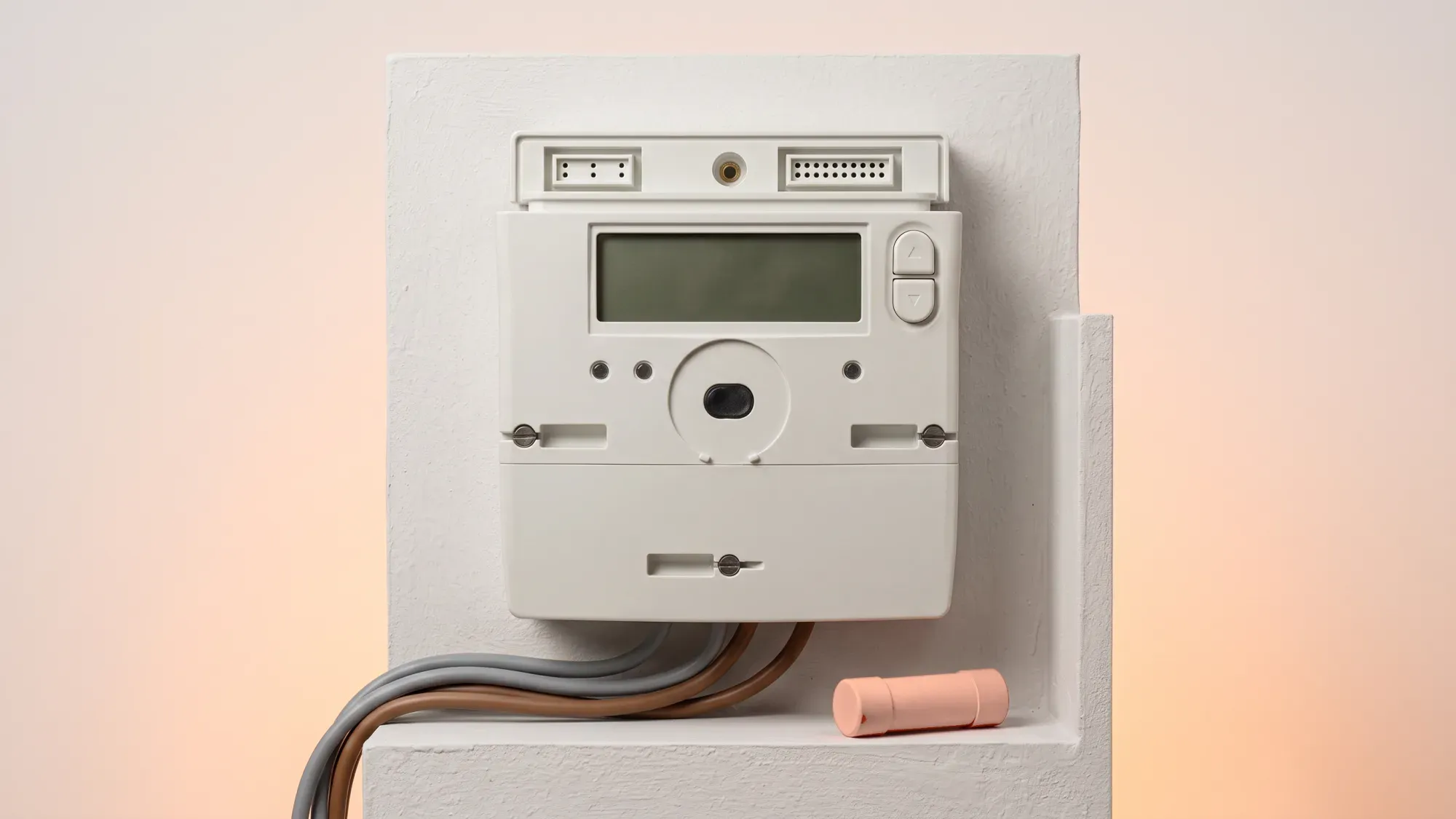
Understanding the kilowatt-hour (kWh) is the first step in taking control of your energy use and unlocking a future where energy is a resource to play with. This unit of measurement, often seen on electricity bills, is more than just a number; it is the key to making informed decisions about your household's energy consumption.
Understanding your kilowatt-hour usage is key to managing your energy costs. Fuse Energy helps you take control with clear pricing and smart tools designed to make your energy experience straightforward. Click here to switch to Fuse Energy today.
The basic unit of electricity measurement
A kilowatt-hour (kWh) is the standard unit used to measure how much electrical energy you consume over time. It represents the energy used by a 1,000-watt (1 kilowatt) appliance operating for one hour. This unit forms the basis for how your household energy bills are calculated in the UK. Gas consumption is also converted into kWh for billing purposes, even though it is initially measured in cubic metres or cubic feet by the meter.
Kilowatts vs kilowatt hours: understanding the difference
The distinction between kilowatts (kW) and kilowatt-hours (kWh) is crucial. A kilowatt (kW) measures power, which is the rate at which electricity is used. For instance, an appliance with a 1 kW rating uses 1,000 watts of electricity when operating. A kilowatt-hour (kWh), on the other hand, measures energy, which is the total amount of electricity consumed over a period. If that 1 kW appliance runs for one hour, it uses 1 kWh of energy. If it runs for 30 minutes (0.5 hours), it uses 0.5 kWh.
Why kWh matters for your UK electricity bill
Your electricity bill directly reflects your kWh consumption. Energy suppliers charge you based on the number of kWh you use, alongside a daily standing charge. Understanding your kWh usage allows you to track and manage your energy consumption, directly impacting your monthly expenditure. The average UK home uses around 2,500 kWh of electricity per year, which equates to roughly 6.8 kWh per day, according to Ofgem1. Knowing this benchmark helps put your own usage into perspective.
Understanding unit rates and standing charges
Your electricity bill is primarily made up of two components: the unit rate and the standing charge. The unit rate is the price you pay for each kilowatt-hour (kWh) of electricity you consume, typically expressed in pence per kWh. The standing charge is a fixed daily fee that covers the cost of supplying electricity to your home, regardless of how much energy you use. This covers costs like maintaining the grid and meter reading.
The impact of the energy price cap on kWh costs
Ofgem, the energy regulator, sets an energy price cap that limits the maximum unit rate and standing charge that suppliers can charge for electricity and gas in the UK. This cap is reviewed quarterly and directly influences the cost of each kWh you use. While the cap provides a ceiling, understanding your kWh consumption remains vital for managing your overall bill, as higher usage will always result in a higher total cost, even under the cap.
Real-world examples of kWh costs in your home
To illustrate, running a 100-watt light Bulb for 10 hours consumes 1 kWh (0.1 kW x 10 hours). The cost would then depend on your specific unit rate. This simple calculation demonstrates how decisions about appliance usage accumulate. For larger appliances, the costs can add up quickly.
How to find an appliance's wattage
Most electrical appliances have a wattage (W) or kilowatt (kW) rating printed on them, often on a label or in the user manual. This rating indicates how much power the appliance consumes when it is running. For example, a high-power appliance like a kettle will have a higher wattage than a low-power appliance such as a television. If only wattage is listed, divide it by 1,000 to get the kilowatt figure.
Estimating daily and monthly consumption in kWh
Once you know an appliance's wattage, you can estimate its kWh consumption. Multiply the appliance's power in kilowatts (kW) by the number of hours it is used. For instance, an electric heater with a 2 kW rating used for 3 hours consumes 6 kWh (2 kW x 3 hours). To estimate monthly consumption, multiply the daily kWh by the number of days in the month. This calculation helps you identify which appliances contribute most to your energy bill.
Common household appliance kWh usage explained
Understanding the kWh usage of common appliances can highlight areas for optimisation. For example, a typical washing machine might use around 0.5 to 1 kWh per cycle, depending on the programme and temperature. A fridge-freezer, which runs continuously, might consume between 1 and 2 kWh per day. Even small devices like phone chargers use a tiny amount of electricity, but their continuous connection can add up.
Smart meters and real-time data for better control
Smart meters are a powerful tool for managing your kWh consumption. They provide automatic, near real-time readings of your electricity and gas usage, offering granular insights into how and when you use energy. This data, often accessible through an in-home display or an energy supplier's app, allows you to see the immediate impact of turning appliances on or off. This visibility empowers you to make more informed decisions about your energy habits.
Strategies for optimising energy use, not just reducing it
Managing your kWh consumption is not just about using less; it is about using energy more intelligently. Strategies include shifting high-consumption tasks, like running a washing machine or charging an electric vehicle, to off-peak hours if you are on a time-of-use tariff. Ensuring your home is well-insulated reduces the kWh needed for heating. Even small changes, like using energy-efficient appliances or switching off lights in empty rooms, contribute to optimising your overall energy footprint.
Beyond 'use less': making smarter energy choices
The traditional narrative often focuses on scarcity and the need to "use less." However, understanding kWh allows for a more empowering approach. By knowing your usage patterns, you can make smarter energy choices that align with your lifestyle, rather than feeling restricted. This might involve strategically using energy when it is most abundant and affordable, or investing in home upgrades that enhance efficiency without sacrificing comfort. For example, a typical 2 MW onshore wind turbine, operating at a 27% capacity factor, can produce roughly 4,700 MWh (4,700,000 kWh) per year, enough for around 1,900 average UK homes. This demonstrates the potential for abundant energy when managed effectively.
Taking control with informed energy decisions
Knowledge of your kWh consumption translates into the capability to make informed decisions about appliance use, smart tariffs, and potential home energy upgrades. This capability shifts the balance of power into your hands, moving you from a passive consumer to an active manager of your energy. You gain the advantage of understanding exactly what you are paying for and how to influence it.
The role of technology in modern energy management
Modern technology, particularly smart meters and energy management apps, plays a pivotal role in this empowerment. These tools provide the data and insights necessary to understand your kWh usage in detail, allowing for precise control and optimisation. They transform abstract energy consumption figures into actionable information, making energy management intuitive and accessible.
Shifting from a scarcity mindset to energy abundance
By demystifying the kilowatt-hour, we move beyond a scarcity mindset where energy is a commodity to be rationed. Instead, understanding kWh becomes a tool for strategic energy choices, fostering a sense of abundance. It empowers you to view energy as a resource to be enjoyed and optimised, rather than a constant source of worry. This shift in perspective allows you to build, play, and make choices that enhance your life, knowing you have the power to manage your energy effectively.
Managing your energy should be simple and transparent. Fuse Energy offers clear pricing, real-time usage data through our app, and 24/7 human customer support to help you make the most of your energy. We believe in empowering you to take control of your energy use. Click here to switch to Fuse Energy today and discover a smarter way to manage your home's energy. Find out more about our mission to create a future with power to play with by clicking here.