Solar panel installation cost
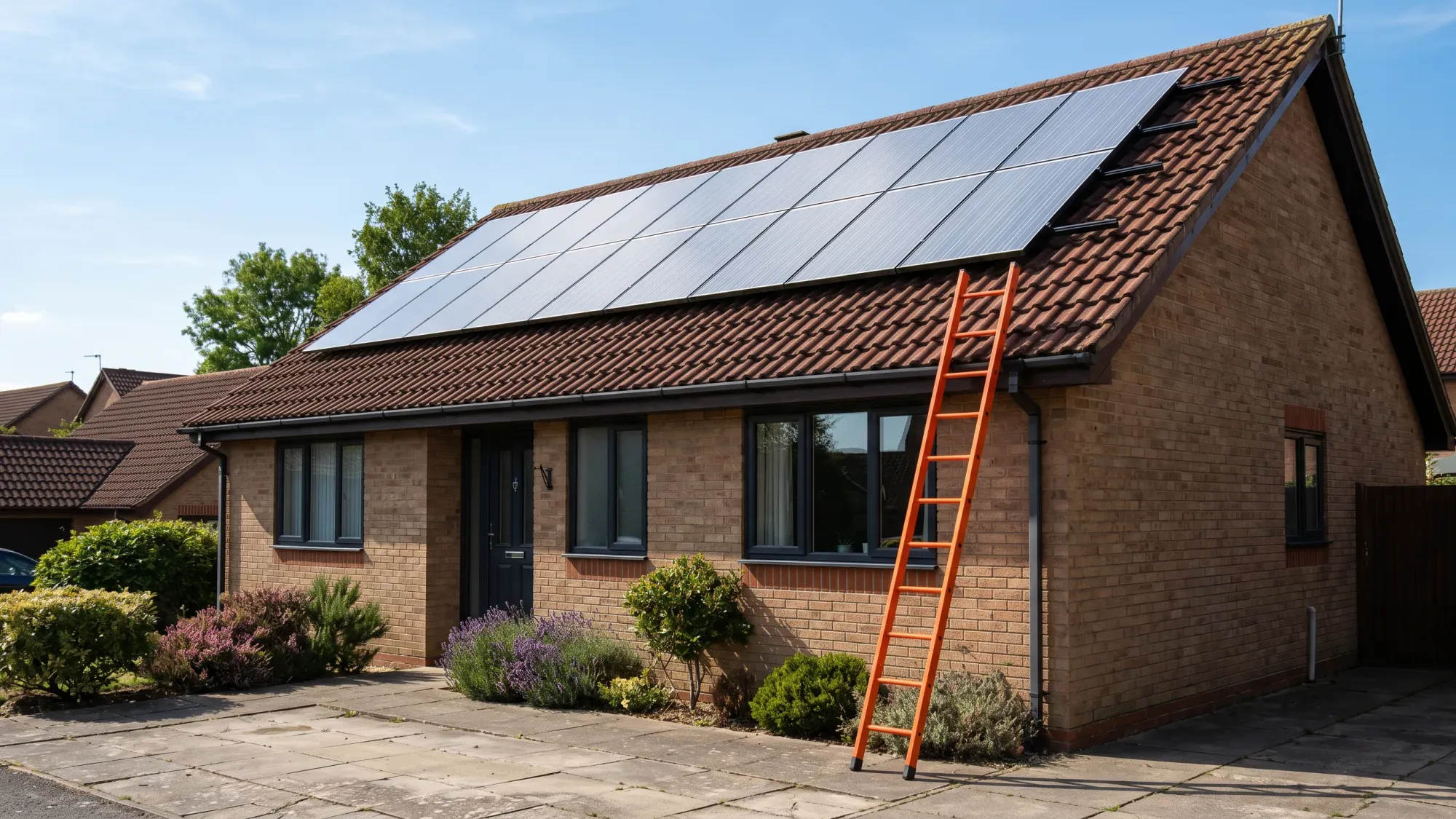
Installing solar panels in the UK is a significant investment that can lead to substantial long-term savings and potential earnings. For many homeowners, the initial cost is a primary consideration, but understanding the full financial picture - from installation to ongoing benefits - is key to making an informed decision.
Understanding solar panel installation costs
The cost of fitting solar panels varies considerably depending on your home's specific needs and the system you choose. It is not a one-size-fits-all expense, but there are clear benchmarks to help you budget.
Average costs for UK homes
A typical 4 kilowatt (kW) solar photovoltaic (PV) system, suitable for an average 2-3 bedroom house in the UK, generally costs between £5,500 and £8,000+ to install in 2026. More specifically, a 4kW system often falls in the £6,000 to £8,000 range. This figure typically includes the panels themselves, the inverter, mounting equipment, and labour. Smaller systems, around 3kW, might start from £5,000 to £6,500, while larger 5kW systems can cost between £7,000 and £9,500.
What is included in the price?
When you receive a quote for solar panel installation, it typically covers several key components and services:
- Solar panels: The PV panels that convert sunlight into electricity.
- Inverter: This crucial device converts the direct current (DC) electricity generated by the panels into alternating current (AC) electricity usable in your home. A standard 4kW inverter can cost around £900.
- Mounting equipment: The framework that securely attaches the panels to your roof.
- Cabling and electrical work: Connecting the system to your home's electrical supply and the National Grid.
- Labour: The cost of the installers, which can be around £300 per day per installer.
- Scaffolding: Essential for safe roof access, scaffolding costs can vary significantly depending on the complexity of the job.
Factors influencing solar panel prices
The final cost of your solar panel installation can be affected by several variables, making it essential to understand what drives the price.
System size and power output
The more electricity you aim to generate, the more panels you will need, and consequently, the higher the installation cost. Larger homes with higher energy demands typically require bigger systems. While larger systems have higher upfront costs, they also offer greater potential energy savings over time.
Type of solar panels and inverter
The efficiency and brand of the solar panels play a role in pricing. High-efficiency monocrystalline panels, for instance, generally cost more than polycrystalline panels but can offer better long-term savings. Similarly, the type of inverter chosen can impact the overall cost and system performance.
Adding battery storage
Including a solar battery to store excess energy for later use will significantly increase your initial outlay. A 4-5kWh solar battery typically costs between £3,000 and £5,000. The average solar storage battery for a UK home costs around £5,000, with prices ranging from less than £2,000 to over £11,000. While this extends the payback period, it can also boost your energy independence and significantly reduce electricity bills, potentially by up to 70% or even 90%. Overall, a solar panel system with battery storage can range from £8,000 to £14,000+ installed.
Installation complexity and labour
Difficult roof access, complex roof structures, or the need for extensive electrical upgrades to your existing setup can all increase labour costs. Older properties, in particular, might require updates to their consumer units, which can add to the bill.
Geographical location and roof type
Installation costs can vary by region, with areas like the South East of England sometimes seeing higher prices compared to the North East. The type of roof, its pitch, and orientation also influence the complexity and cost of installation. Solar panels work best on a South-facing roof with minimal shading.
Maximising savings and returns with solar panels
Beyond the initial installation, solar panels offer multiple avenues for financial benefit, transforming your home's energy consumption into a smart investment.
Reduced electricity bills
The most immediate and direct benefit of solar panels is the reduction in your electricity bills. By generating your own power, you decrease your reliance on grid electricity, especially during daylight hours. A 4kW solar panel system could save you around £735 per year on electricity bills. Understanding your energy usage is key to maximising these savings; you can learn more about how your home consumes power by understanding what is a kWh.
The Smart Export Guarantee (SEG)
The Smart Export Guarantee (SEG) is a government-backed scheme that ensures you get paid for any surplus renewable electricity you export back to the National Grid. Launched in January 2020, the SEG replaced the Feed-in Tariff (FiT) and mandates that licensed electricity suppliers offer tariffs for exported power. To qualify for SEG payments, you typically need an eligible renewable energy system, Microgeneration Certification Scheme (MCS) certification, and a smart meter capable of providing half-hourly export readings. Payments vary by supplier, with typical UK rates ranging from 4-15p/kWh as of 2026. You can find out more about SEG tariffs explained.
Calculating your payback period
The payback period is the time it takes for your solar panel system's savings and earnings to equal its initial installation cost. Current estimates often place payback periods between 6 and 12 years, depending on factors like energy usage, installation cost, and export rates. After the system has paid for itself, the electricity generated becomes pure profit for the remainder of its 25-30+ year lifespan.
Available grants and incentives
While large-scale government grants for solar panel installation are less common than in the past, the SEG provides an ongoing incentive. Additionally, eligible solar panel and battery installations currently benefit from 0% VAT until 31 March 2027. This can lead to significant savings; for an average 4kW system, the 0% rate is worth about £1,420 compared to the full 20% VAT rate. From 1 April 2027, the VAT rate is due to rise to 5%.
Choosing the right solar installer
The quality of your solar panel installation is paramount to its long-term performance and financial returns. Selecting the right installer is a critical step.
The importance of MCS certification
The MCS is a government-backed UK initiative that sets quality standards for small-scale renewable energy installations, including solar panels. Choosing an MCS-certified installer ensures that your system meets high standards of safety, performance, and efficiency. Crucially, MCS certification is required for your installation to be eligible for schemes like the SEG.
What is MCS certification for solar panels?
MCS certification is the UK's primary quality mark for small-scale renewable energy technologies like solar PV. It ensures both the products and the installers meet universal quality standards. While not legally mandatory, MCS certification is required for eligibility in government incentives such as the SEG, making it a vital stamp of approval for homeowners.
Getting and comparing quotes
Always obtain multiple quotes from different MCS-certified installers. This allows you to compare not just prices, but also proposed system designs, predicted annual generation, and the assumptions behind their savings estimates. While larger systems may have higher upfront costs, they often lead to greater long-term savings.
Understanding warranties and aftercare
A reputable installer will offer comprehensive warranties on both the panels and the installation work, along with clear aftercare support. Panels typically come with 25-year product warranties. Understanding what is covered and for how long provides peace of mind and protects your investment.
Getting the most from your solar panels with Fuse Energy
Once your solar panels are installed, the journey to maximising your investment truly begins. Fuse Energy empowers homeowners to get the most value from their solar generation, focusing on optimising earnings and providing clear insights into your energy usage.
Optimising your export earnings
The SEG offers a way to earn from your surplus electricity, but the rates vary between suppliers. Fuse Energy's smart tariffs and export mechanisms are designed to help you maximise these earnings, ensuring you benefit fully from the energy you send back to the grid. By providing competitive export rates, Fuse helps integrate distributed solar generation into a more efficient and rewarding energy system.
Smart tariffs for solar owners
Fuse offers smart tariffs specifically tailored to complement solar generation. These tariffs are designed to help you consume your own energy efficiently and benefit from dynamic pricing. This approach helps you make the most of your self-generated power, reducing your reliance on grid imports and enhancing your overall financial returns. For more tips on managing your energy, explore our energy efficiency tips.
Control your energy with the Fuse app
The Fuse app provides clear visibility of your energy consumption and potential earnings from solar. This empowers you to make informed decisions about when to use your own energy, when to store it, and when to export it for maximum financial benefit. By putting insights directly into your hands, Fuse helps you navigate the energy market and optimise your solar investment.
Disclaimer
For the avoidance of doubt, this article is provided for informational purposes only and is not intended to constitute legal or financial advice. The author and/or Fuse Energy shall not be responsible for any losses arising out of any reliance on the information contained herein.