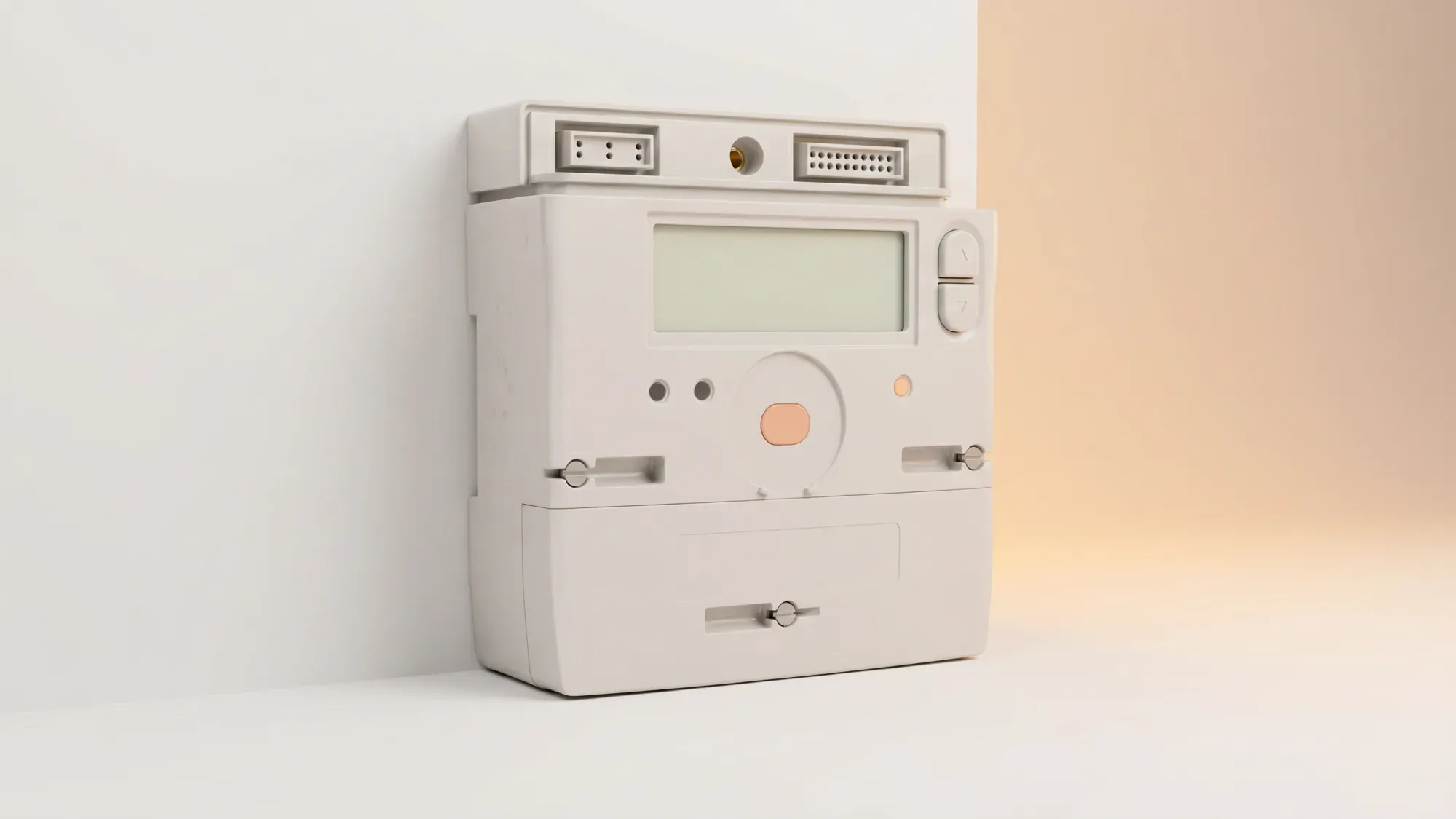
If you use a prepayment meter for your electricity and find your balance running low, emergency credit can provide a vital temporary lifeline to keep your power on. This short-term solution is designed to prevent immediate disconnection, giving you time to top up your meter. Understanding how it works and how to access it is crucial, especially in urgent situations.
Managing your energy can sometimes be tricky, but Fuse Energy aims to make it clear and easy. We offer transparent billing and in-app management, helping you stay on top of your usage and avoid unexpected disconnections. Click here to switch to Fuse Energy today.
What is emergency credit?
Emergency credit is a feature offered by energy suppliers to customers with prepayment meters. It acts as a small, temporary loan of electricity, allowing you to maintain your supply when your normal credit balance drops to a low level. It serves as a safety net to ensure you do not lose power unexpectedly, particularly outside of normal working hours.
Purpose of emergency credit
The primary purpose of emergency credit is to prevent the immediate loss of electricity supply for prepayment meter users. It gives you a grace period to get to a top-up point or arrange payment, ensuring essential services like lighting and refrigeration remain active. This temporary measure is designed to support customers during unexpected low balances, not as a long-term solution.
How much emergency credit can you get?
The amount of emergency credit available can vary between energy suppliers. It is intended as a short-term buffer, not a substantial sum, and is designed to give you enough time to top up your meter.
Identify your energy supplier
Knowing your energy supplier is the first step, as they are the only ones who can provide specific details about your emergency credit. If you are unsure who supplies your electricity, you can use the "What's My Supplier?" tool on the National Grid website. For gas, the "Find My Supplier" tool is available.
Activating on a smart meter
Smart meters often make activating emergency credit straightforward. When your balance gets low, your smart meter may automatically offer emergency credit, or you might need to press a button on the meter or use your in-home display to accept it. The exact steps can vary, so check your meter's display or consult your supplier's instructions.
Activating on a traditional meter
For traditional prepayment meters, activating emergency credit usually involves inserting your top-up key or card into the meter when prompted by a low balance warning. The meter's display should guide you through the process. If you are unsure, your energy supplier can provide specific instructions for your meter model.
Repaying emergency credit
Emergency credit is a loan that must be repaid. The next time you top up your meter, the emergency credit amount used will be deducted from your top-up before the remaining balance is added to your meter. It is important to top up as soon as possible to avoid accumulating debt and ensure continuous supply.
Proactive energy management
To avoid needing emergency credit, consider regularly checking your meter balance and topping up before it gets too low. Many energy suppliers offer apps or online portals where you can monitor your usage and balance. Understanding your energy consumption patterns can help you budget effectively and prevent unexpected disconnections.
Citizens Advice
Citizens Advice provides independent, free advice and support for energy consumers across the UK. They can offer guidance if you are struggling with prepayment meters, energy debt, or if you cannot activate your emergency credit. Their services are invaluable for understanding your rights and available support.
Priority Services Register
The Priority Services Register (PSR) offers extra support for vulnerable customers during power cuts or supply interruptions. Eligibility includes individuals of State Pension age, those with disabilities or long-term health conditions, or families with young children. If you believe you might be eligible, contact your energy supplier or network operator to register.
Fuse Energy is committed to helping customers manage their energy effectively. While we do not currently offer prepayment meter services, our 24/7 human customer support is always available to assist our customers with their energy needs. We focus on clear pricing and smart energy management to help you take control of your bills. Find out more about our mission here or switch to Fuse Energy today by clicking here.