How much to charge an electric car? Around 26.11p per kWh at home
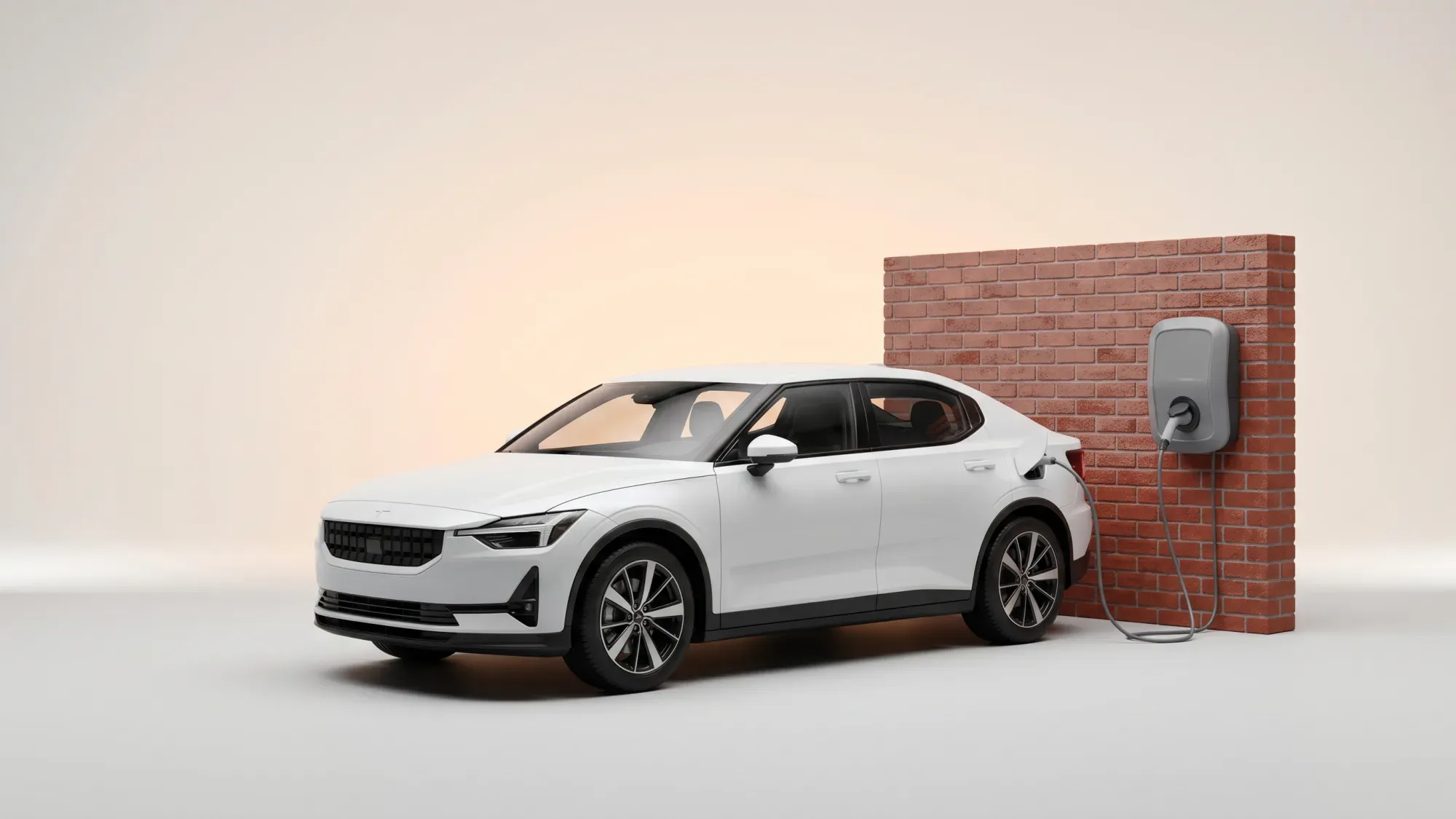
Charging an electric car in the UK costs around 26.11p per kilowatt-hour (kWh) at home, based on the Standard Variable Tariff from 1 July 2026. This figure, however, is just a starting point; the actual cost you pay can vary substantially depending on where and when you charge your vehicle. Understanding these variables is key to managing your electric vehicle (EV) running costs and optimising your energy spend.
Understanding your EV charging costs is crucial for managing your budget. Fuse Energy helps you take control by providing clear pricing and tools to optimise your home charging. Click here to switch to Fuse Energy today and start making smarter energy choices.
Enter your address to get a quote and see how much you could save
Understanding electric car charging costs
The cost of powering an electric car isn't fixed. It's influenced by a range of factors, from the type of charger you use to your vehicle's battery size and even the weather. Getting to grips with these basics helps you predict and control your outgoings.
The basics of EV charging
Electric cars consume electricity measured in kilowatt-hours (kWh). Just as a petrol car uses litres of fuel, an EV uses kWh. A car's battery capacity, typically ranging from around 40 kWh to over 100 kWh, dictates how much electricity it can store, directly influencing the cost of a full charge. For instance, fully charging a 60 kWh battery at 26.11p per kWh would cost approximately £15.67.
What is a kWh?
A kilowatt-hour (kWh) is a unit of energy equivalent to one kilowatt (1,000 watts) of power consumed for one hour. It's the standard unit used to measure electricity consumption on your energy bill and for electric vehicle charging, determining how much you pay for the energy your car uses.
Key factors affecting cost
The primary factors influencing your EV charging costs include the location of charging (home versus public), the speed of the charger, your electricity tariff, and the efficiency of your vehicle. Home charging is generally the most economical, while public rapid chargers typically come with a higher price tag. Your driving style, external temperature, and even tyre pressure can also subtly impact how much energy your car consumes.
Home charging: the cheapest option
For most EV owners, charging at home offers the most cost-effective solution. This is largely due to lower electricity rates compared to public networks and the opportunity to utilise smart tariffs. You can learn more about electric car charging at home to maximise your savings.
Your home electricity tariff
The average cost to charge an electric car at home in the UK, using a Standard Variable Tariff, is approximately 26.11p per kWh from 1 July 2026. This rate is regulated by Ofgem, the UK's energy market regulator, which sets price caps for standard variable tariffs, influencing home charging costs. The average UK home uses around 2,500 kWh of electricity per year1, providing a useful baseline for comparison when considering your EV's additional consumption.
The role of smart meters and off-peak rates
Smart meter installation is essential for accessing time-of-use tariffs that offer cheaper off-peak electricity rates. These tariffs allow you to charge your EV during periods of lower demand, often overnight, significantly reducing your costs. By scheduling your charging to coincide with these off-peak windows, you can make substantial savings compared to charging during peak times.
Why is home charging the cheapest option?
Home charging is typically the cheapest option because domestic electricity tariffs are generally lower than public charging rates. Utilising a smart meter with an off-peak tariff allows EV owners to charge their vehicles during cheaper, low-demand hours, further reducing the cost per kilowatt-hour compared to public alternatives.
Easee One EV charger installation
To maximise the benefits of home charging, a dedicated EV charger is a worthwhile investment. Fuse Energy offers installation of the Easee One EV charger, a 7.4 kW unit with a 3-year warranty, for a base cost of £899. This includes full installation, surge protection, and up to 15m of cabling. This service provides a practical, supported solution for efficient and cost-effective home charging.
It's important to note that while the UK government offers grants for EV chargepoint installation, these are primarily for renters, flat owners, or households with on-street parking who are installing a cross-pavement solution. Owner-occupiers in houses with private off-street parking typically do not qualify for these grants anymore.
Public charging: navigating the networks
Public charging networks offer convenience, especially for longer journeys or those without home charging options, but they come with a more complex pricing structure.
Rapid vs fast vs slow chargers
Public chargers are categorised by their speed:
- Slow chargers (typically up to 6 kW) are often found at destinations like workplaces or supermarkets and are the slowest, but usually the cheapest, option.
- Fast chargers (typically 7-22 kW) are more common and can add a significant amount of range in a few hours.
- Rapid chargers (50 kW and above) are the quickest, capable of adding hundreds of miles of range in under an hour, but are also the most expensive.
Pricing models and subscriptions
Public charging networks feature diverse pricing structures. You might encounter:
- Per kWh: A flat rate for the electricity consumed, similar to home charging.
- Per minute: Charges based on the time spent plugged in, which can penalise slower charging cars or those left plugged in after reaching full capacity.
- Subscription models: Monthly fees that offer reduced per-kWh rates or free charging within a specific network.
Cost variations across networks
Public rapid charging can cost significantly more than home charging, often ranging from 60p to over 80p per kWh. These costs can vary widely between different networks and locations, making it crucial to compare prices before plugging in.
Beyond the kWh: other factors influencing your bill
While the per-kWh rate is a major component, other elements contribute to the overall cost of running your EV.
Battery size and vehicle efficiency
A typical electric car battery capacity ranges from around 40 kWh to over 100 kWh. Larger batteries offer more range but cost more to fully charge. Vehicle efficiency, measured in miles per kWh, also plays a role; a more efficient car will travel further on the same amount of electricity, reducing your cost per mile.
Driving habits and weather
Aggressive driving, frequent acceleration, and high speeds consume more energy. Similarly, cold weather can reduce battery efficiency and range, leading to more frequent and thus more expensive charging. Using heating or air conditioning also draws power from the battery, impacting overall consumption.
Maintenance and charger type
While EVs generally have lower maintenance costs than petrol cars, the type of charger you use can affect battery longevity. Regular use of rapid DC chargers, for instance, can degrade battery health faster than slower AC charging, potentially impacting the car's resale value or requiring earlier battery replacement.
Strategies to reduce your EV charging costs
Taking a proactive approach to your charging habits can lead to significant savings.
Optimising home charging schedules
The most effective way to reduce home charging costs is to utilise smart meters and off-peak tariffs. By scheduling your EV to charge during the cheapest hours, typically overnight, you can leverage lower electricity rates. Many smart chargers and EV apps allow you to set these schedules automatically.
Comparing public charging options
Before using a public charger, check pricing through network apps or third-party services that compare rates. Consider subscribing to networks you use frequently, as this can unlock lower per-kWh costs. Planning your routes to include chargers with competitive rates can also help manage expenses on longer journeys.
Leveraging grants and incentives
While the Electric Vehicle Homecharge Scheme (EVHS) for owner-occupiers with off-street parking has been discontinued, specific OZEV grants are still available. The EV Chargepoint Grant for renters and flat owners provides up to £500 towards installing a chargepoint if you own and live in a flat or rent any residential property with private off-street parking. Additionally, the EV Chargepoint Grant for households with on-street parking offers up to £500 for installing a cross-pavement solution if you only have on-street parking. Always check the latest eligibility criteria on the government's website to see if you qualify for any support.
Taking control of your EV energy with Fuse Energy
Fuse Energy empowers EV owners to transform charging from a variable expense into an opportunity for smart energy management, leveraging technology and support to gain control and reduce costs.
Smart energy management for EV owners
Fuse Energy's approach to smart energy management, integrated with smart meters, provides you with the tools to understand and optimise your EV charging. By offering greater control over your charging schedules and associated costs, Fuse helps you make informed decisions that align with your budget and energy consumption goals. This integrated system contributes to a more efficient and future-ready energy system.
24/7 support for your charging journey
Navigating the complexities of EV charging and energy tariffs can be challenging. Fuse Energy provides 24/7 human customer support, offering a valuable resource for optimising your charging strategies, understanding your energy usage, and ensuring you always have the capability and control over your energy spend.
Ready to take control of your EV charging costs? Switch to Fuse Energy today for clear pricing, real-time usage data, and 24/7 human support. Our smart energy solutions are designed to help you make the most of your electric vehicle. Click here to get started. You can also learn more about our mission to make energy abundant by clicking here.
References
Disclaimer
For the avoidance of doubt, this article is provided for informational purposes only and is not intended to constitute legal or financial advice. The author and/or Fuse Energy shall not be responsible for any losses arising out of any reliance on the information contained herein.