How much energy do solar panels produce per day? Around 10-12 kWh
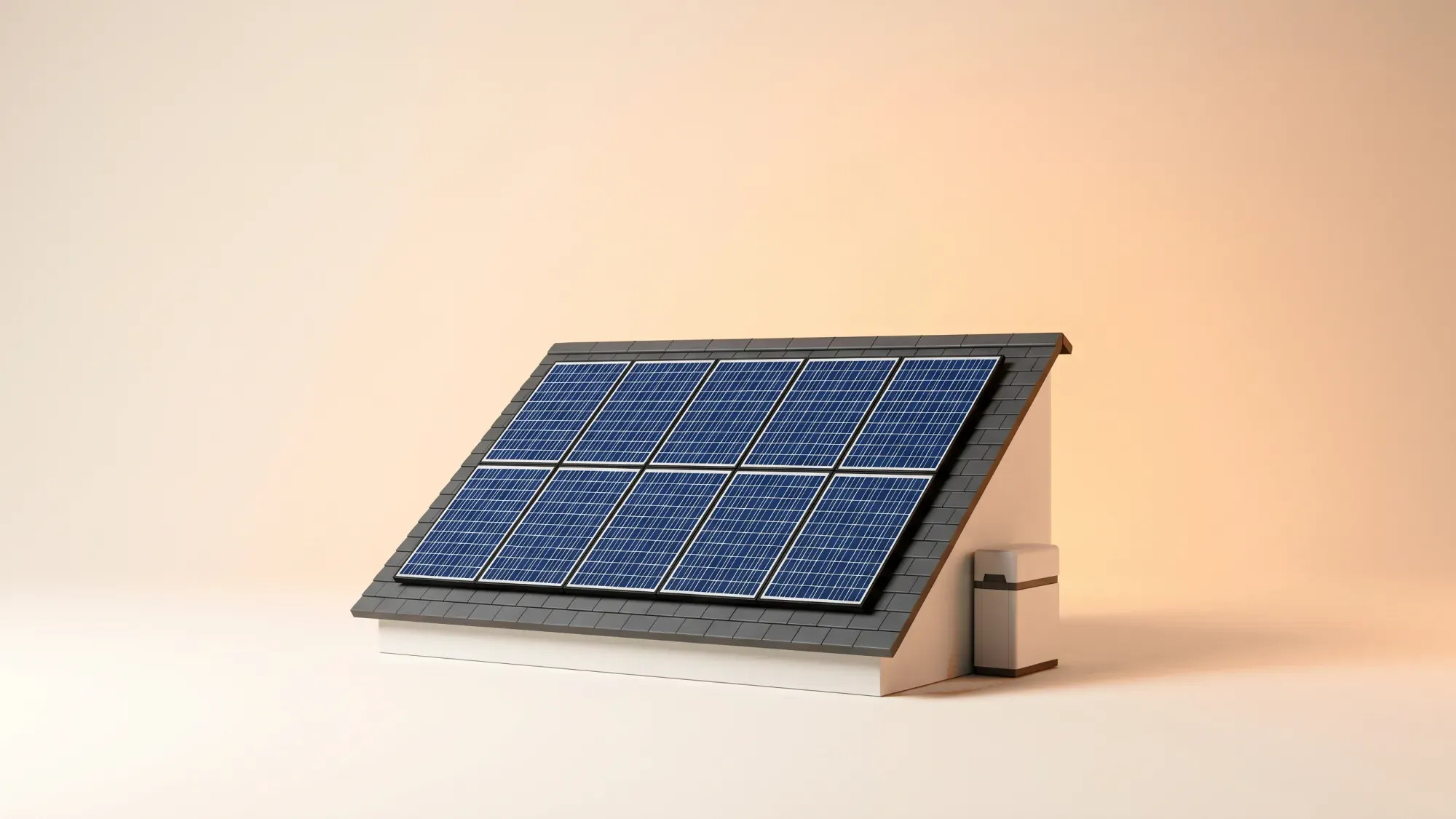
A typical 4 kilowatt-peak (kWp) solar panel system in the UK generates approximately 10-12 kilowatt-hours (kWh) per day on average, though this can fluctuate significantly with the seasons and weather. Understanding this daily output is key for UK homeowners looking to maximise their solar investment.
Understanding daily solar panel output
The energy your solar panels produce each day is not a fixed figure. It is a dynamic output shaped by several environmental and technical factors.
Key factors influencing production
Many elements determine how much electricity your solar panels generate. The most significant include your property's location within the UK, the orientation and tilt of your panels, and any shading. Southern regions of the UK generally receive more sunlight than northern areas, leading to higher potential output. Panels facing directly south typically capture the most daylight, while east or west-facing panels might produce slightly less annually. Even partial shade from chimneys, trees, or neighbouring buildings can reduce a panel's efficiency.
Solar panel efficiency, which is the percentage of sunlight converted into usable electricity, also plays a crucial role. Residential solar panels in the UK typically range from 15% to 25% efficiency, with modern monocrystalline panels often falling between 20% and 23%. While higher efficiency panels generate more power from a smaller area, the total output also depends on the system's overall size and the available roof space. Temperature also has a surprising effect: panels can be slightly less efficient in very hot conditions, meaning a cool, bright day can sometimes outperform a scorching summer one.
Average output for UK homes
For UK homeowners, a typical 4 kWp solar panel system is a common residential size. Such a system can generate between 3,400 and 4,200 kWh per year, averaging around 9 to 11 kWh per day. Some sources suggest an average of 9.9 kWh per day for a 4 kWp system. This output can cover a significant portion of an average household's daily electricity needs.
Seasonal and weather impacts on solar generation
The UK's climate means solar panel output varies considerably throughout the year.
Summer versus winter production
The seasonal swing is one of the most significant factors affecting daily solar output. Daily solar output can be three to four times higher in summer months compared to winter months in the UK. Summer months, with their longer daylight hours and higher sun angle, see significantly greater generation. For instance, a 4 kWp system might produce 16-22 kWh per day in summer, but only 2-5 kWh per day in winter.
Winter output, while lower, is not absent. Solar panels generate electricity from daylight, not just direct sunshine, so they still produce power on overcast days. The three winter months (December, January, and February) might deliver a little under half of what an average month produces across the year. In fact, solar panel efficiency can actually improve slightly in cooler winter temperatures, as silicon-based panels lose a small amount of efficiency above 25°C. The main reason for lower winter output is simply fewer hours of daylight.
The role of UK weather conditions
Beyond the seasons, daily weather conditions directly influence solar generation. Bright, clear days will naturally yield more electricity than heavily overcast ones. However, solar panels (also known as photovoltaic (PV) panels) can still generate useful amounts of electricity in cloudy conditions, as their cells can utilise diffuse daylight. Heavy cloud cover can reduce output substantially, but the exact reduction depends on the cloud conditions, time of day, and panel orientation.
Maximising your solar panel's energy production
Getting the most out of your solar panels involves optimising their placement, maintaining them, and integrating them with other energy solutions. This holistic approach to home energy can also involve considering other efficient technologies, such as understanding air source heat pump efficiency for heating.
Panel orientation and tilt
The direction your panels face and their tilt angle are critical for maximising energy capture. South-facing panels generally offer the highest annual output in the UK. However, east-facing panels can generate more electricity in the morning, and west-facing panels in the afternoon, which can better align with household demand patterns. The optimal tilt angle for annual yield is roughly equal to your latitude (around 51-55 degrees for the UK), but a shallower angle (30-35 degrees) is more efficient in summer, while a steeper angle (around 60 degrees) is better in winter to catch the lower sun.
Maintenance and shading
Keeping your panels free from dirt and debris is important, as severe soiling can reduce output. While rainfall often keeps panels reasonably clean in the UK, occasional cleaning can be beneficial. Shading, even partial, can significantly impact the performance of string-connected panels. Installers typically use tools to assess shading during the design phase to minimise its effect.
Integrating battery storage
Solar panels generate most electricity during daylight hours, while household demand often extends into the evening. Integrating battery storage allows you to store surplus solar electricity generated during the day for use later, reducing your reliance on grid imports and increasing your self-consumption. Batteries do not, however, shift summer generation into winter.
Making the most of your solar energy with Fuse
Once your solar panels are installed, smart energy management is crucial to maximise their value.
Monitoring your production
Understanding how much energy your solar panels produce and when is the first step to optimising your usage. Fuse's app provides real-time insights into your solar production, allowing you to monitor your daily energy generation and see how much power you have available. This transparency empowers you to make informed decisions about when to use your high-demand appliances, such as washing machines or electric vehicle (EV) chargers, aligning consumption with peak generation periods. Similarly, understanding the running costs of an air source heat pump can help manage overall energy expenditure.
Optimising consumption and export
With real-time data from the Fuse app, you can strategically shift your energy consumption to periods when your solar panels are producing the most electricity. This reduces the amount of electricity you need to import from the grid, directly lowering your energy bills. Any surplus energy you generate and do not use can be exported back to the grid, turning excess generation into savings or earnings. Fuse's smart tariffs are designed to help you optimise these consumption and export strategies, ensuring you get the most financial benefit from your self-generated power.
The Smart Export Guarantee (SEG)
The Smart Export Guarantee (SEG) is a UK government scheme that ensures homeowners are paid for any surplus renewable electricity they export to the grid. All large energy suppliers are mandated to offer SEG tariffs. To qualify for SEG payments, you typically need an eligible renewable energy system (like solar PV) installed by an MCS-certified installer and a smart meter capable of measuring your exports. MCS certification is an industry-led quality assurance framework that ensures installations meet high standards. Fuse's smart tariffs can help you navigate the SEG, ensuring you get the best possible value for the electricity you feed back into the National Grid.
Making the switch to a smart energy supplier like Fuse Energy can help you unlock the full potential of your solar panels. With clear pricing, real-time usage data, and 24/7 human customer support, you can take control of your energy bills and maximise your savings. Our smart tariffs are designed to work seamlessly with your solar setup, helping you optimise both consumption and export.
Disclaimer
For the avoidance of doubt, this article is provided for informational purposes only and is not intended to constitute legal or financial advice. The author and/or Fuse Energy shall not be responsible for any losses arising out of any reliance on the information contained herein.