How do solar panels work with your electric bill?
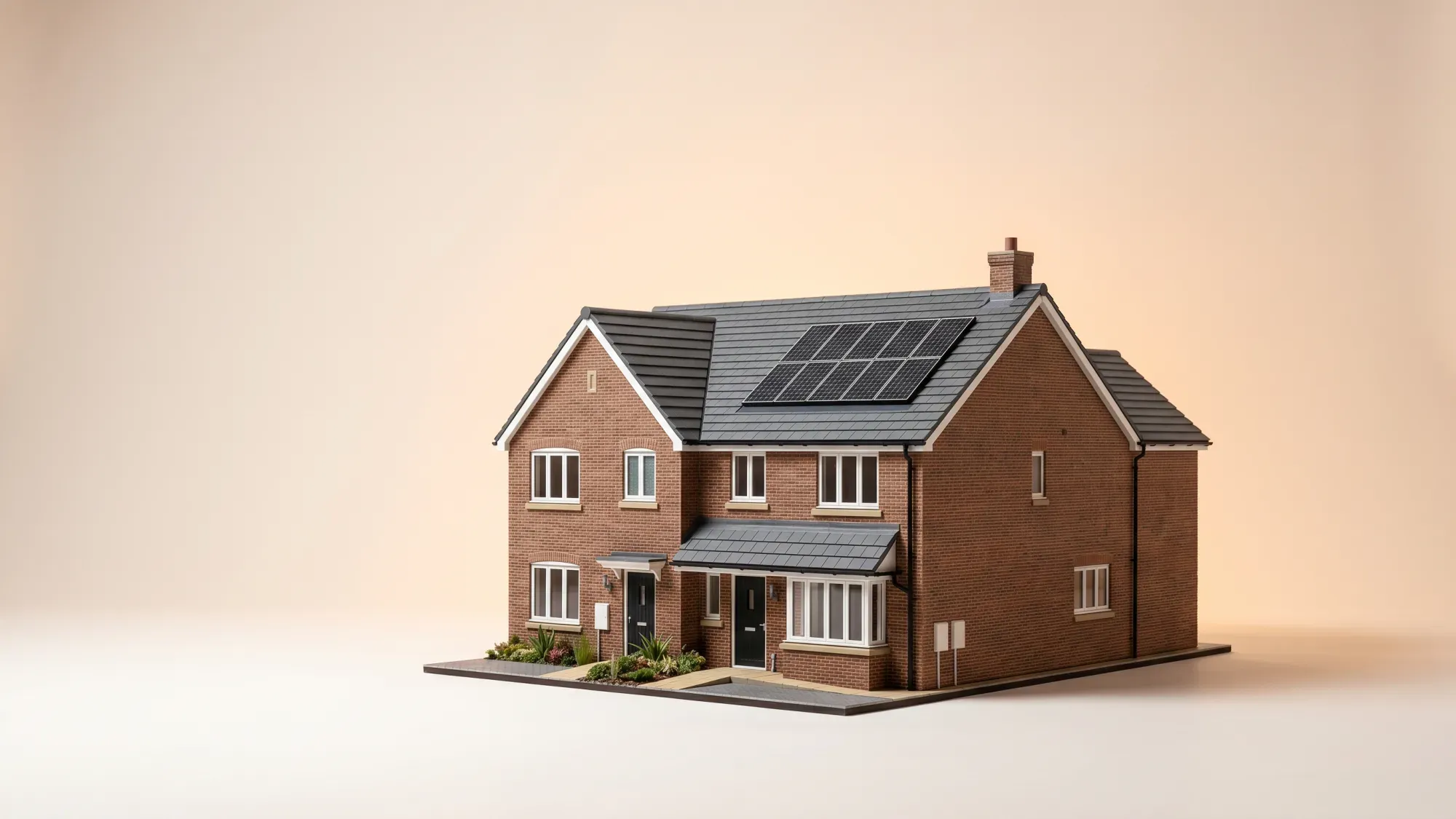
Solar panels can transform your relationship with your electric bill, shifting energy from a constant cost to an asset you control. For UK homeowners, understanding how these systems generate electricity, interact with the National Grid, and ultimately impact your finances is key to unlocking genuine energy abundance. This guide cuts through the noise, explaining the practical mechanics and financial implications of going solar, especially when combined with smart tariffs and battery storage.
Understanding how solar panels generate electricity
Solar panels harness the sun's energy to produce electricity for your home. This process begins with the photovoltaic (PV) effect, a scientific principle where certain materials generate an electric current when exposed to light.
The photovoltaic effect
When sunlight hits the semiconductor material in a solar panel, it dislodges electrons, creating an electric current. This current is direct current (DC) electricity, which isn't directly usable by most household appliances. Solar panels convert daylight, not just direct sunlight, into electricity, meaning they still work on cloudy days, albeit with reduced output. The efficiency of residential solar panels typically ranges from 19% to 22%.
Key components of a solar PV system
A typical solar PV system consists of several crucial parts:
- Solar panels: These capture sunlight and convert it into DC electricity.
- Inverter: This crucial device converts the DC electricity from the panels into alternating current (AC) electricity, which is the type used by your home appliances and the National Grid.
- Mounting system: This secures the panels to your roof or ground.
- Metering: A smart meter is essential for accurately measuring both the electricity you import from the grid and any surplus you export. You can learn more about a smart meter installation and its benefits.
How solar panels interact with your home and the grid
Once your solar panels generate electricity and the inverter converts it to AC, this power is ready to be used.
Powering your home first
The electricity generated by your solar panels is first directed to power your home's appliances. This means you're using your own generated energy before drawing any electricity from the National Grid. This self-consumption directly reduces the amount of electricity you need to buy from your supplier, leading to lower bills.
Exporting surplus energy to the grid (Smart Export Guarantee)
If your solar panels produce more electricity than your home is currently using, that surplus energy doesn't go to waste. Instead, it's automatically exported back to the National Grid. In the UK, this exported energy can earn you money through the Smart Export Guarantee (SEG). The SEG is a government-backed scheme that requires licensed electricity suppliers to pay small-scale low-carbon generators for the electricity they export to the grid. The payments you receive for exported energy will either appear as a credit on your electricity bill or be paid separately, depending on your supplier.
The role of battery storage
Adding a battery to your solar PV system can significantly enhance its benefits. Instead of immediately exporting surplus electricity to the grid, a battery stores it for later use. This allows you to use your own generated electricity during the evenings or on cloudy days when your panels aren't producing as much, further reducing your reliance on the grid and maximising your self-consumption.
The financial impact: how your electric bill changes with solar
Installing solar panels can fundamentally change how you view and pay your electricity bill, turning it from a simple cost into a dynamic balance of consumption and generation.
Reduced import from the grid
The most immediate financial impact of solar panels is the reduction in the amount of electricity you need to import from the National Grid. By generating your own power, you directly offset your consumption, meaning you buy less from your energy supplier. For a typical UK home using around 2,700 kWh of electricity per year1, this can lead to significant savings on the unit rate portion of your bill. Understanding your energy bill can help you track these savings more effectively.
Earnings from exported energy
Beyond reducing your import, the SEG allows you to earn money from any surplus electricity your panels send to the grid. These payments act as a credit, further lowering your overall energy costs or providing a direct income stream. The more efficiently you use your self-generated power and export any excess, the greater your potential earnings.
What about standing charges?
Even with solar panels, you will still receive an electricity bill, and it will include a standing charge. The standing charge is a fixed daily fee that covers the costs of maintaining the grid infrastructure and delivering electricity to your home, regardless of how much energy you use. Solar panels reduce the amount of electricity you consume from the grid, but they do not eliminate the need for a grid connection, so the standing charge remains. To understand more about this fixed cost, you can read about what a standing charge is.
Maximising your savings and earnings with solar
To truly make a "power play" with solar, consider how your system integrates with other smart home energy solutions.
Optimising with smart tariffs
Smart tariffs are designed to encourage energy use during off-peak hours when demand is lower and electricity is cheaper. When combined with solar panels and battery storage, you can optimise your energy usage by:
- Charging your battery with cheap off-peak grid electricity when solar generation is low.
- Discharging your battery to power your home during expensive peak times, avoiding high import costs.
- Exporting surplus solar during periods when export rates are highest, if your tariff allows.
This strategic approach can significantly increase your savings and earnings, giving you more control over your energy costs.
The benefits of battery storage
Battery storage is a game-changer for solar homeowners. It allows you to capture and store the free electricity your panels generate during the day, so you can use it later when the sun isn't shining. This reduces your reliance on the grid during peak demand, minimises your electricity imports, and maximises the value of your solar investment.
Long-term financial control
Installing solar panels is a strategic move towards long-term financial control. It provides a hedge against rising energy prices and empowers you to generate your own clean electricity. This shift from passive consumption to active generation transforms your electricity bill from a source of anxiety into a tangible asset, giving you "power to play with."
Common questions about solar panels and your bill
Can solar panels reduce my bill to zero?
While solar panels can dramatically reduce your electricity bill, they typically won't eliminate it entirely. You'll still incur a standing charge for your grid connection, and you may need to import some electricity from the grid during periods of low solar generation or high demand, especially at night. However, with a well-designed system and battery storage, you can significantly reduce your net import.
What is the average UK home electricity usage?
The average UK home uses around 2,700 kilowatt-hours (kWh) of electricity per year. This figure is a useful baseline for understanding how much energy your solar panels could offset and how your consumption compares to typical household demand.
Do solar panels work on cloudy days?
Yes, solar panels do work on cloudy days. They convert daylight, not just direct sunlight, into electricity. While their output will be lower than on a bright, sunny day, they will still contribute to your home's electricity supply, helping to reduce your reliance on the grid.
How long until solar panels pay for themselves?
The payback period for solar panels varies depending on factors such as the initial installation cost, the size and efficiency of your system, your electricity consumption habits, and the rates you receive for exported energy. Many UK homeowners find that their solar panels pay for themselves within 6-10 years, after which they enjoy free electricity for decades.
References
- UK Government. Subnational electricity and gas consumption statistics
Disclaimer
For the avoidance of doubt, this article is provided for informational purposes only and is not intended to constitute legal or financial advice. The author and/or Fuse Energy shall not be responsible for any losses arising out of any reliance on the information contained herein.