How do heat pumps work?
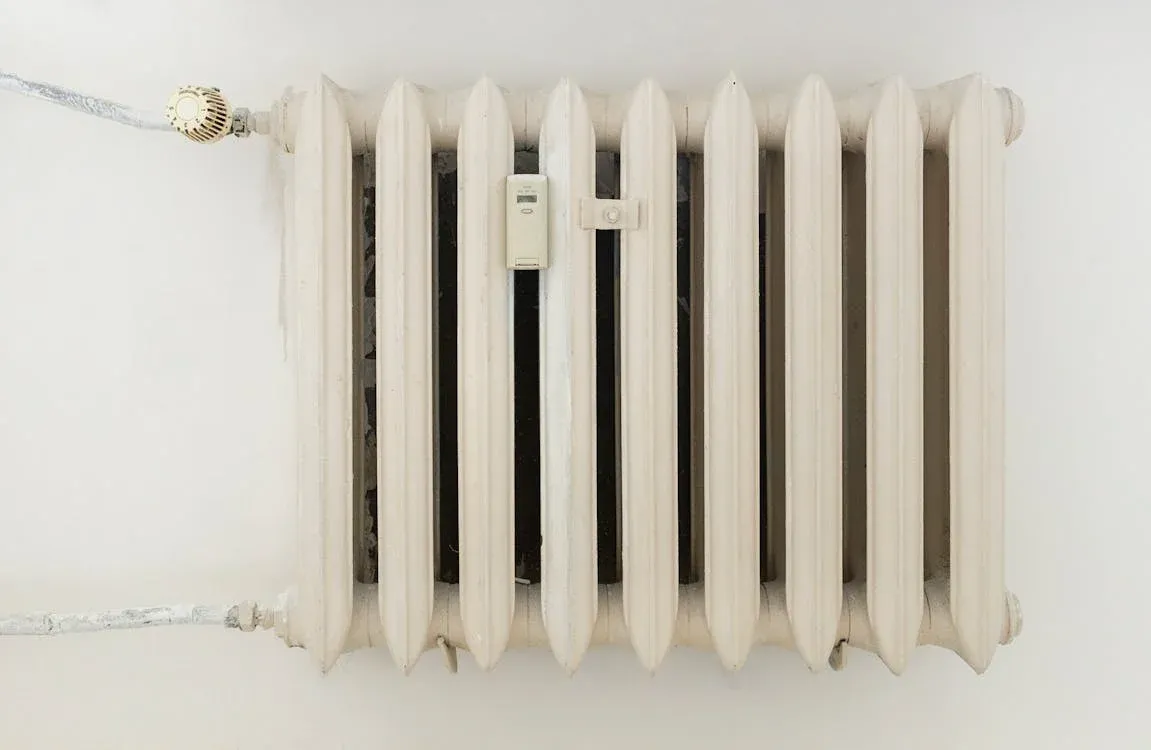
Heat pumps are a modern, efficient way to heat your home, offering a significant shift from traditional heating methods. Instead of burning fuel to generate heat, they transfer existing heat from one place to another, making them highly efficient and a cornerstone of a more abundant home energy future. This guide demystifies how these systems operate, helping UK homeowners understand their potential as a cost-effective and environmentally friendly alternative to boilers.
What is a heat pump?
More than just a boiler
Unlike a traditional boiler that burns gas or oil to create heat, a heat pump works by moving heat. This fundamental difference is key to their efficiency. Heat pumps can produce around three units of heat for every unit of electricity they consume, making them significantly more efficient than gas boilers.
The core principle of heat transfer
Heat pumps extract thermal energy from natural sources like the air, ground, or even water, and then transfer it into your home. This process works effectively even in cold temperatures, as there is still usable thermal energy in cold air. Modern air source heat pumps, for instance, are specifically designed to extract heat from outside air even when temperatures are well below freezing.
The four-step refrigerant cycle explained
The core of a heat pump's operation lies in a continuous refrigeration cycle involving a special refrigerant. This cycle allows the system to absorb, concentrate, and release heat.
Evaporation: absorbing heat
The cycle begins with a liquid refrigerant flowing through an outdoor coil. Here, it absorbs heat from the surrounding environment (air, ground, or water), even at low temperatures. As it absorbs this heat, the refrigerant evaporates and turns into a low-pressure gas.
Compression: raising temperature
This low-pressure gas then moves to a compressor. The compressor, powered by electricity, increases the pressure and temperature of the refrigerant gas significantly. This is where the absorbed heat is concentrated, making it hot enough to warm your home.
How does a heat pump make heat from cold air?
A heat pump extracts thermal energy from cold outside air using a refrigerant that evaporates at very low temperatures. The resulting gas is then compressed, which dramatically increases its temperature. This hot, high-pressure gas can then transfer its heat to your home's heating system, even when it's freezing outside.
Condensation: releasing heat
The hot, high-pressure gas then circulates to an indoor coil. Here, it releases its heat to the home's heating system, such as radiators or underfloor heating. As the heat is transferred, the refrigerant cools down and condenses back into a high-pressure liquid.
Expansion: preparing for the next cycle
Finally, the high-pressure liquid refrigerant passes through an expansion valve. This valve reduces the refrigerant's pressure, causing it to cool further. It then returns to the outdoor coil, ready to absorb more heat and repeat the entire cycle.
Types of heat pumps for UK homes
Different types of heat pumps are suited to various property types and environments in the UK.
Air source heat pumps
Air source heat pumps are the most commonly installed type in the UK. They extract heat from the outside air, even in sub-zero temperatures, and transfer it into your home. These units are typically fitted outside a home or property.
Ground source heat pumps
Ground source heat pumps draw heat from the ground through a network of buried pipes. Because ground temperatures are more stable than air temperatures, these systems can offer consistent performance throughout the year, even in colder climates.
Water source heat pumps
Less common for typical residential installations, water source heat pumps extract heat from nearby bodies of water, such as a lake or river. Their operation is similar to ground source systems, leveraging the stable temperature of water.
Heat pumps in the UK: efficiency and cold weather performance
Many UK homeowners wonder if heat pumps are truly effective in the country's climate.
Why efficiency matters
Heat pumps are significantly more efficient than traditional boilers because they transfer existing heat rather than generating it. For every unit of electricity used, a heat pump can return three to four times as much heat. This efficiency can substantially reduce a property's energy demand when replacing technologies like gas boilers.
Operating effectively in winter
Modern heat pumps are designed to operate effectively even in low UK winter temperatures. They can extract heat from the air or ground even when temperatures drop below freezing. Many models can maintain good heating capacity down to -15°C to -20°C, which is colder than most British homes will ever encounter. UK government trials have shown that air source heat pumps maintain high efficiency during the coldest days.
The role of insulation
While heat pumps are highly adaptable, their optimal performance and efficiency are greatly enhanced by good home insulation. A well-insulated home ensures that the heat generated by the pump is retained, maximising comfort and minimising running costs. Improving a building's energy efficiency should be a priority regardless of the heating system used. You can learn more about improving your home's energy efficiency to complement a heat pump installation.
Benefits and considerations for homeowners
Beyond their operational mechanics, heat pumps offer several advantages and integrate well with modern energy management.
Lower carbon emissions and running costs
Heat pumps can substantially reduce your home's carbon footprint. While heat pumps primarily use electricity to operate, their running costs depend on electricity tariffs. Pairing a heat pump with a smart tariff that offers cheaper off-peak rates can lead to bill savings. Some energy suppliers offer specific heat pump tariffs designed to provide lower rates at particular times of the day, which can make a big difference to bills.
Government grants and support
To encourage the adoption of heat pumps, the UK government offers financial incentives. The Boiler Upgrade Scheme (BUS) provides grants to help homeowners in England and Wales install heat pumps. This scheme offers £7,500 off the cost and installation of an air source or ground source heat pump. For properties heated by oil or liquefied petroleum gas (LPG) and not connected to the gas grid, a higher grant of £9,000 is temporarily available until 31 March 2027. Installations must be carried out by an MCS-certified installer, who applies for the grant on your behalf.
Integrating with smart home energy
Heat pumps align with a future where energy is abundant and intelligently managed. While Fuse Energy does not install heat pumps, its smart energy management tools can help optimise heat pump running costs. By leveraging smart tariffs and understanding your energy usage through an engaging app, you can make informed decisions about when to run your heat pump, taking advantage of cheaper electricity periods. This approach empowers homeowners with greater control over their energy consumption and home climate. For more details on how smart meters can help, read our guide on half-hourly meter readings explained.
Disclaimer
For the avoidance of doubt, this article is provided for informational purposes only and is not intended to constitute legal or financial advice. The author and/or Fuse Energy shall not be responsible for any losses arising out of any reliance on the information contained herein.