Heat pump installation costs and grants
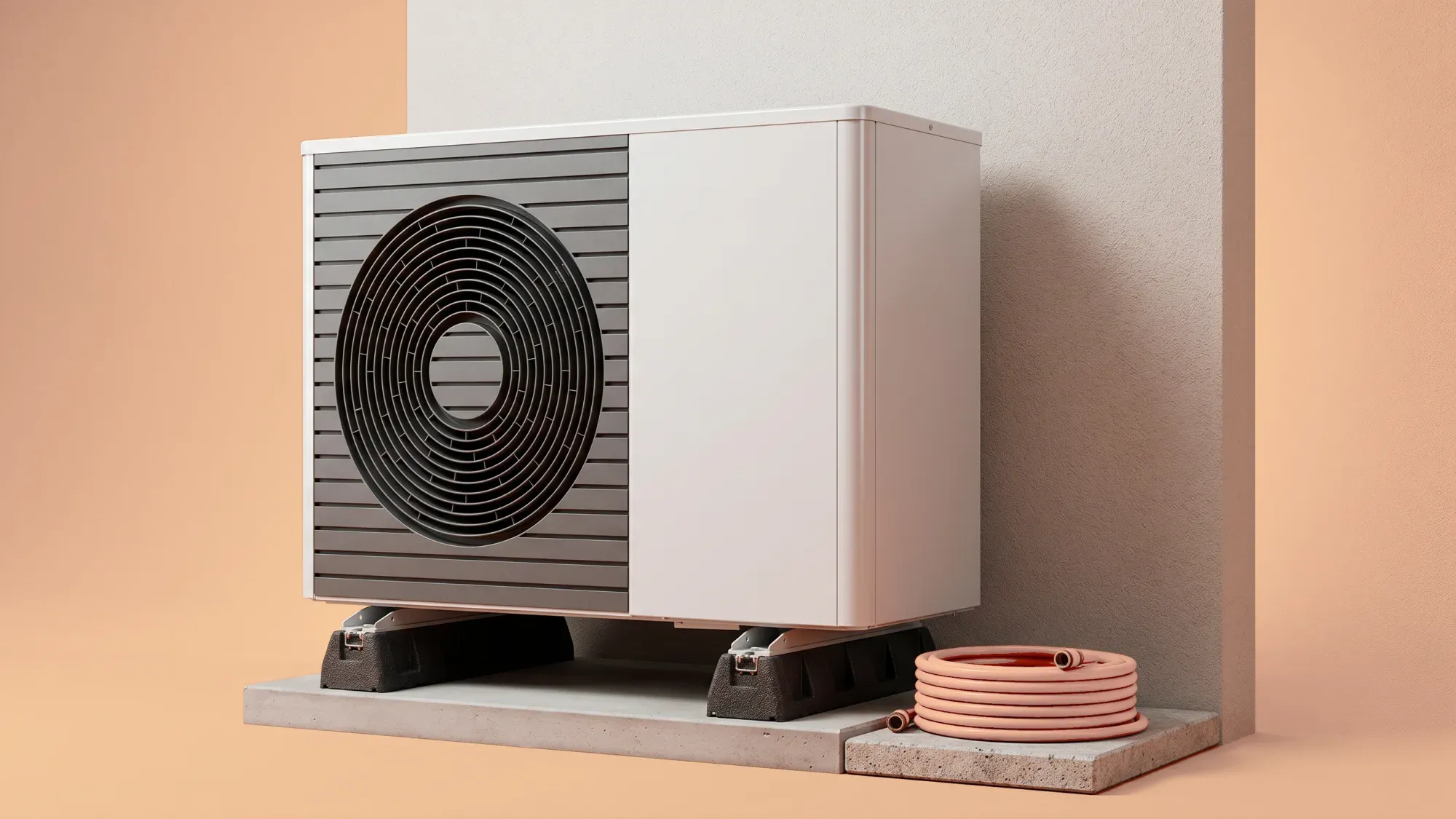
Heat pumps offer a more energy-efficient and lower-carbon way to warm your home compared to traditional boilers. Air source heat pumps can produce at least 3 kWh of heat for every 1 kWh of electricity consumed, achieving efficiencies of 300% or more, by moving existing heat rather than generating it. This guide walks you through the installation process, costs, available grants, and how to keep your running costs low once your heat pump is in place.
Understanding heat pumps
Heat pumps are devices that extract heat from the air or ground to warm your home and provide hot water. Unlike boilers that burn fuel, heat pumps simply move existing heat, making them highly efficient.
How heat pumps work
Heat pumps operate by absorbing heat from a source (like the air or ground) and transferring it into your home's heating system. This process is similar to how a refrigerator works, but in reverse. Because they transfer heat rather than generate it, they are incredibly efficient.
Air source versus ground source
The two main types of heat pumps are air source and ground source. Air source heat pumps extract heat from the outside air, even when temperatures are low. They are generally easier and less disruptive to install. Ground source heat pumps, on the other hand, draw heat from the ground using buried pipes. While more efficient, they require significant excavation, making their installation more complex and costly.
Key benefits
Heat pumps offer several advantages. They are significantly more energy-efficient than traditional heating systems, leading to lower running costs, especially when paired with an optimised energy tariff. They also produce fewer carbon emissions, contributing to a greener home. Furthermore, they can increase your home's energy independence and potentially its value.
The heat pump installation process
Installing a heat pump is a significant home improvement that typically takes around two to three days. Here is a general overview of the steps involved:
Initial assessment and design
An MCS-certified installer will assess your home's heat loss, insulation, and existing heating system to design a suitable heat pump system. This includes determining the right size and type of heat pump, as well as any necessary upgrades to your radiators or hot water cylinder.
Installation steps
You will receive a detailed quote, outlining costs, estimated savings, and the grant application process. The installer will also handle any necessary planning permissions or Distribution Network Operator (DNO) notifications. Your old boiler and hot water cylinder will be safely decommissioned and removed. The heat pump unit (outdoor for air source, ground loops for ground source), indoor cylinder, and any new pipework or radiators will be installed. The system will be wired into your home's electrical supply, often requiring a dedicated circuit.
Post-installation certification
The installer will fill the system, bleed air, and test all components to ensure optimal operation and efficiency. They will also provide a handover, explaining how to use your new system. Upon completion, your installer will provide an MCS certificate, which is essential for claiming the Boiler Upgrade Scheme (BUS) grant.
Heat pump costs and available grants
The upfront cost of a heat pump can vary widely depending on the type, size, and complexity of the installation.
Typical installation costs
Indicative costs for an air source heat pump installation in the UK typically range from £7,000 to £15,000 before grants. Ground source heat pumps are generally more expensive due to the excavation required. These figures are general market guides and not specific quotes for your home.
Boiler Upgrade Scheme (BUS)
The UK government's BUS aims to encourage homeowners in England and Wales to switch to low-carbon heating systems. The scheme offers a grant of £7,500 towards the cost of an air source or ground source heat pump. Households in England and Wales currently on heating oil can claim an uplifted £9,000 grant under the BUS to move off the oil grid. Your MCS-certified installer will apply for this grant on your behalf, deducting the grant amount from your final quote. You will receive an email from Ofgem to confirm your consent to the installer's application.
Other financial support
Depending on your location and circumstances, you may be eligible for additional local authority grants or schemes. It is always worth checking with your local council or the Energy Saving Trust for the latest information.
Optimising heat pump running costs with Fuse Energy
While heat pumps have a higher upfront cost, their efficiency can lead to lower running costs compared to traditional boilers, especially when paired with an optimised energy tariff.
The importance of smart tariffs
Smart tariffs allow you to take advantage of cheaper electricity rates during off-peak hours. Heat pumps can be programmed to run more intensively when electricity is less expensive, significantly reducing your overall running costs. This flexibility is key to maximising savings.
How Fuse Energy helps
Fuse Energy offers smart electricity tariffs designed to help you make the most of your heat pump. By providing transparent pricing and tools to understand your energy usage, you can optimise when your heat pump runs to take advantage of cheaper off-peak electricity rates. This means you can heat your home more affordably, maximising the environmental and financial benefits of your heat pump.
Is a heat pump right for your home?
Heat pumps are a fantastic option for many UK homes, offering long-term savings and environmental benefits. However, their efficiency is greatly enhanced by good home insulation. An MCS-certified installer can advise on whether a heat pump is suitable for your property and what steps you might need to take to prepare your home.
Assessing suitability
An MCS-certified installer will conduct a thorough assessment of your home's energy efficiency, including its current heating system, insulation levels, and hot water demands. This helps determine the most appropriate heat pump system for your property.
The role of insulation
Effective home insulation is crucial for optimal heat pump performance. A well-insulated home retains heat more efficiently, meaning the heat pump does not have to work as hard, leading to lower energy consumption and greater savings.
Disclaimer
For the avoidance of doubt, this article is provided for informational purposes only and is not intended to constitute legal or financial advice. The author and/or Fuse Energy shall not be responsible for any losses arising out of any reliance on the information contained herein.