Efficient hot water heating
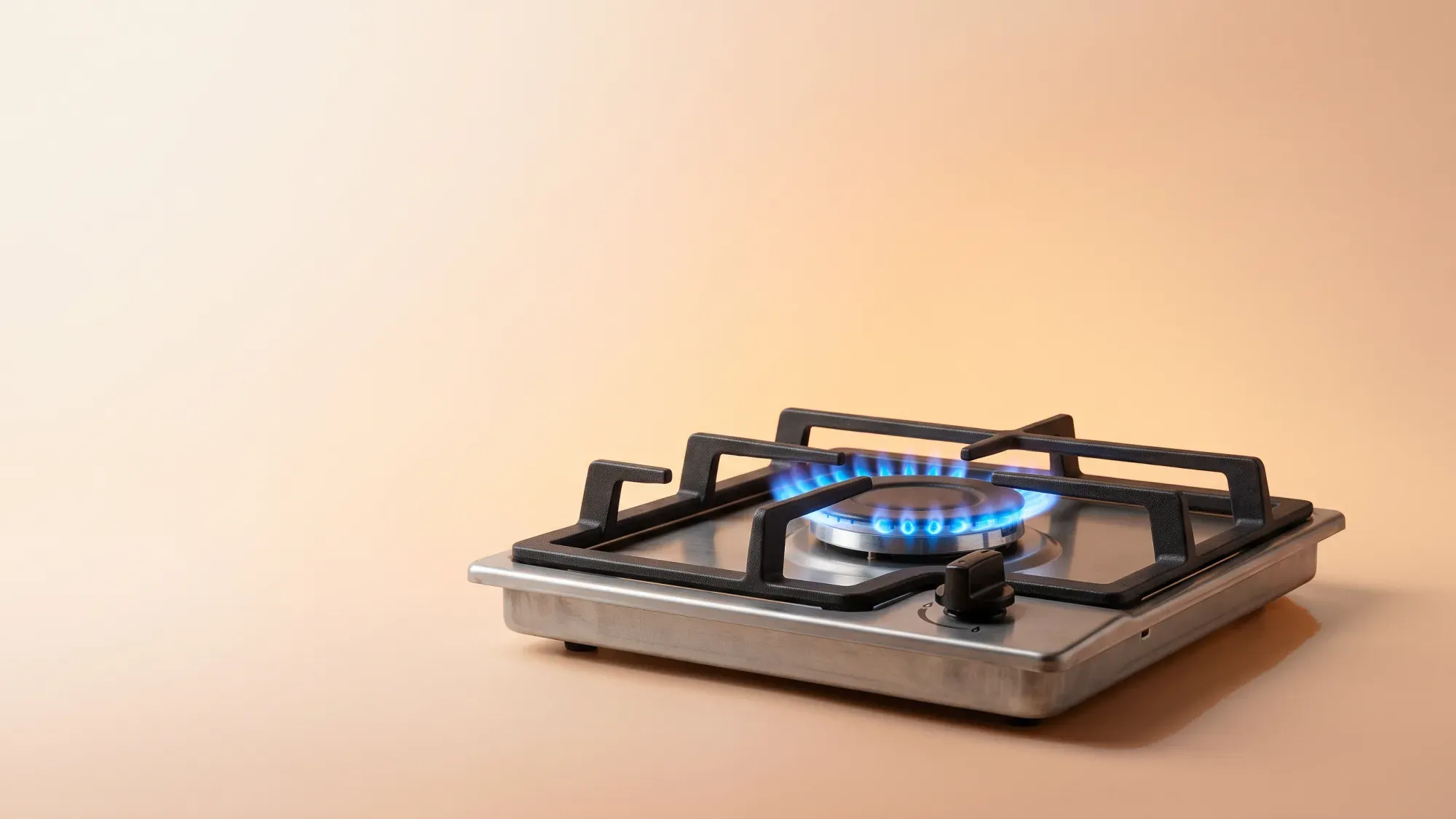
Heating water typically accounts for a significant portion of a UK household's energy consumption. With energy costs fluctuating, understanding how to heat water efficiently and cost-effectively is crucial for homeowners and tenants alike. This guide explores various water heating methods, smart strategies, and optimisation tips to help you manage your hot water expenses without compromising comfort.
Managing your hot water heating costs should be clear and easy to understand. Fuse Energy focuses on straightforward pricing, so you can see exactly what you're paying without unnecessary complexity. If you have a smart meter, you can view detailed usage data through the app or website, helping you understand how you can lower your bills. Click here to switch to Fuse Energy today.
Enter your address to get a quote and see how much you could save
Understanding your hot water needs
Taking control of your hot water costs begins with understanding how much you use and what drives those expenses.
How much hot water do you really use?
The average UK home uses around 2,500 kWh of electricity and 9,500 kWh of gas per year. While the exact amount of hot water consumed varies significantly based on household size, habits, and appliance efficiency, heating water can represent a substantial part of this usage. This often translates to hundreds of pounds annually, making it a prime area for potential savings. Understanding your overall energy bill can help you pinpoint where these costs arise.
Factors affecting hot water costs
Several factors influence how much you spend on hot water:
- Heating method: Different systems (boilers, immersion heaters, heat pumps) have varying efficiencies and fuel costs.
- Insulation: Well-insulated hot water cylinders and pipes reduce heat loss, meaning less energy is needed to maintain temperature.
- Usage habits: Long showers, frequent baths, and running hot water unnecessarily all contribute to higher bills.
- Thermostat settings: Setting your water temperature higher than needed increases energy consumption.
- Appliance efficiency: Modern washing machines and dishwashers with eco-settings or cold-fill options can reduce hot water demand.
Traditional methods for heating water
Many UK homes rely on established technologies for their hot water supply. Understanding how these work and their associated costs is key to making informed decisions.
Gas boilers (combi, system, and conventional)
Gas boilers are the most common way to heat water in the UK. They burn natural gas to heat water, which is then distributed to taps and radiators.
- Combi boilers: These provide instant hot water on demand without needing a separate hot water cylinder. They are compact and efficient, ideal for smaller homes with one bathroom.
- System boilers: These heat water for a sealed heating system and store hot water in a cylinder. They are suitable for homes with multiple bathrooms as they can supply hot water to several taps simultaneously.
- Conventional (regular) boilers: Similar to system boilers, they use a hot water cylinder and a cold water storage tank in the loft. They are often found in older, larger homes.
Efficiency and cost: Modern gas boilers are highly efficient. Their running costs depend on gas prices. Gas is generally cheaper per kWh than electricity, making gas boilers a cost-effective option where available.
Electric immersion heaters
Immersion heaters are essentially large electric kettles inside your hot water cylinder. They use an electric resistance element to heat the water.
Efficiency and cost: Immersion heaters convert almost all the electricity they use into heat, making them efficient at the point of use. However, electricity is typically more expensive per kWh than gas. This means running an immersion heater can be costly, especially if used to heat a full tank of water frequently. They are often used as a backup to a boiler or for occasional hot water needs.
Electric storage heaters with hot water cylinders
Some older properties, particularly those off the gas grid, might use electric storage heaters for space heating and a separate electric immersion heater for hot water. This setup is generally less efficient and more expensive to run than modern alternatives.
Modern solutions for hot water
As energy efficiency becomes a priority, newer technologies offer more sustainable and potentially cheaper ways to heat water.
Heat pumps (air source and ground source)
Heat pumps extract heat from the air or ground and transfer it to your home's heating and hot water system. They use electricity but are highly efficient, producing 3 kWh or more of heat for every 1 kWh of electricity used.
Efficiency and cost: While the initial installation cost can be significant, heat pumps offer substantial long-term savings due to their high efficiency and lower running costs compared to direct electric heating. For eligible homes, the Boiler Upgrade Scheme (BUS) grant can provide up to £7,500 towards the cost of an air source or ground source heat pump installation. Your MCS-certified installer applies for this grant on your behalf, deducting the amount from your installation cost, making this modern solution more accessible. You can learn more about the BUS and how it works.
Solar thermal panels
Solar thermal panels (not to be confused with solar photovoltaic (PV) panels that generate electricity) use sunlight to heat water directly. They typically work by circulating a fluid through panels on your roof, which then heats the water in a dedicated cylinder.
Efficiency and cost: Solar thermal systems can provide a significant portion of your hot water needs, especially during sunnier months, reducing reliance on your boiler. They are most effective when combined with a conventional boiler or immersion heater as a backup. Initial costs can be high, but running costs are minimal.
Plug-in solar and battery systems
While not directly heating water, plug-in solar panels generate electricity that can offset your home's overall electricity consumption, including that used by electric water heating systems (like immersion heaters or heat pumps). A plug-in battery can store this generated electricity for use when the sun is not shining, further maximising self-consumption.
Efficiency and cost: Plug-in solar and battery systems offer a way to generate your own clean electricity, reducing your reliance on grid power. Statutory Instrument (SI) 2026/848 has applied to compliant plug-in solar since 27 August 2026, allowing self-installation of up to 800W alternating current (AC) export per device. While not eligible for the Smart Export Guarantee (SEG), self-consumption of this generated electricity directly reduces your bill. For an illustrative Direct Debit household on the Ofgem price-cap default tariff for 1 July to 30 September 2026, electricity is 26.11p per kWh, meaning every kWh you generate and use yourself is a saving of 26.11p.
Smart strategies for efficient hot water
Beyond the heating method itself, smart usage and technology can significantly cut your hot water bills.
Smart thermostats and controls
Modern thermostats allow you to programme your hot water schedule, ensuring it is only heated when you need it. Some smart systems learn your habits and optimise heating times automatically. This prevents wasted energy on heating water that is not used.
Hot water cylinder insulation
If you have a hot water cylinder, ensuring it has a thick, well-fitting insulation jacket can dramatically reduce heat loss. Insulating exposed hot water pipes also helps.
Reducing hot water usage
Simple behavioural changes can have a big impact:
- Shorter showers: Even cutting a shower by a minute or two can save a surprising amount of hot water over a year.
- Efficient appliances: Use washing machines and dishwashers with cold-fill options or eco-settings to minimise hot water demand.
- Fix leaks: A dripping hot water tap wastes both water and the energy used to heat it.
- Lower temperature: Reduce your cylinder thermostat to 60°C - this is hot enough for hygiene and prevents scalding, while saving energy.
Understanding your energy data
If you have a smart meter, use your energy supplier's app or in-home display to monitor your hot water usage. Seeing how much energy heating water consumes can help you identify peak usage times and adjust your habits or heating schedules for greater efficiency. Fuse Energy's app provides clear usage data, empowering you to make informed decisions. Consider a smart meter installation to get these insights.
Future-proofing your hot water
Considering long-term efficiency and sustainability can lead to greater savings and a lower carbon footprint.
Integrating renewable energy
Combining your hot water system with renewable energy sources, such as solar thermal or even excess electricity from solar PV, can significantly reduce your reliance on fossil fuels and grid electricity.
Considering a heat pump Upgrade
If your boiler is old or nearing the end of its life, exploring a heat pump as a replacement could be a wise long-term investment, especially with government grants available.
Smart home integration
As smart home technology advances, integrating your hot water system with other smart devices can create a highly optimised and efficient energy ecosystem, further enhancing comfort and savings.
Take control of your hot water costs
Understanding the various methods for heating water, coupled with smart strategies and modern solutions, puts you in control of your energy consumption and costs. By making informed choices about your heating system and adopting efficient habits, you can significantly reduce your hot water bills without sacrificing comfort.
Fuse Energy is committed to making energy simple and transparent. With clear pricing and smart meter insights, you can easily track your usage and find ways to save. Switch to Fuse Energy today and start your journey towards a more efficient home. Click here to switch to Fuse Energy. You can also find out more about our mission to make energy abundant and affordable here.
Disclaimer
For the avoidance of doubt, this article is provided for informational purposes only and is not intended to constitute legal or financial advice. The author and/or Fuse Energy shall not be responsible for any losses arising out of any reliance on the information contained herein.