Heat pump Worthing: is it worth it?
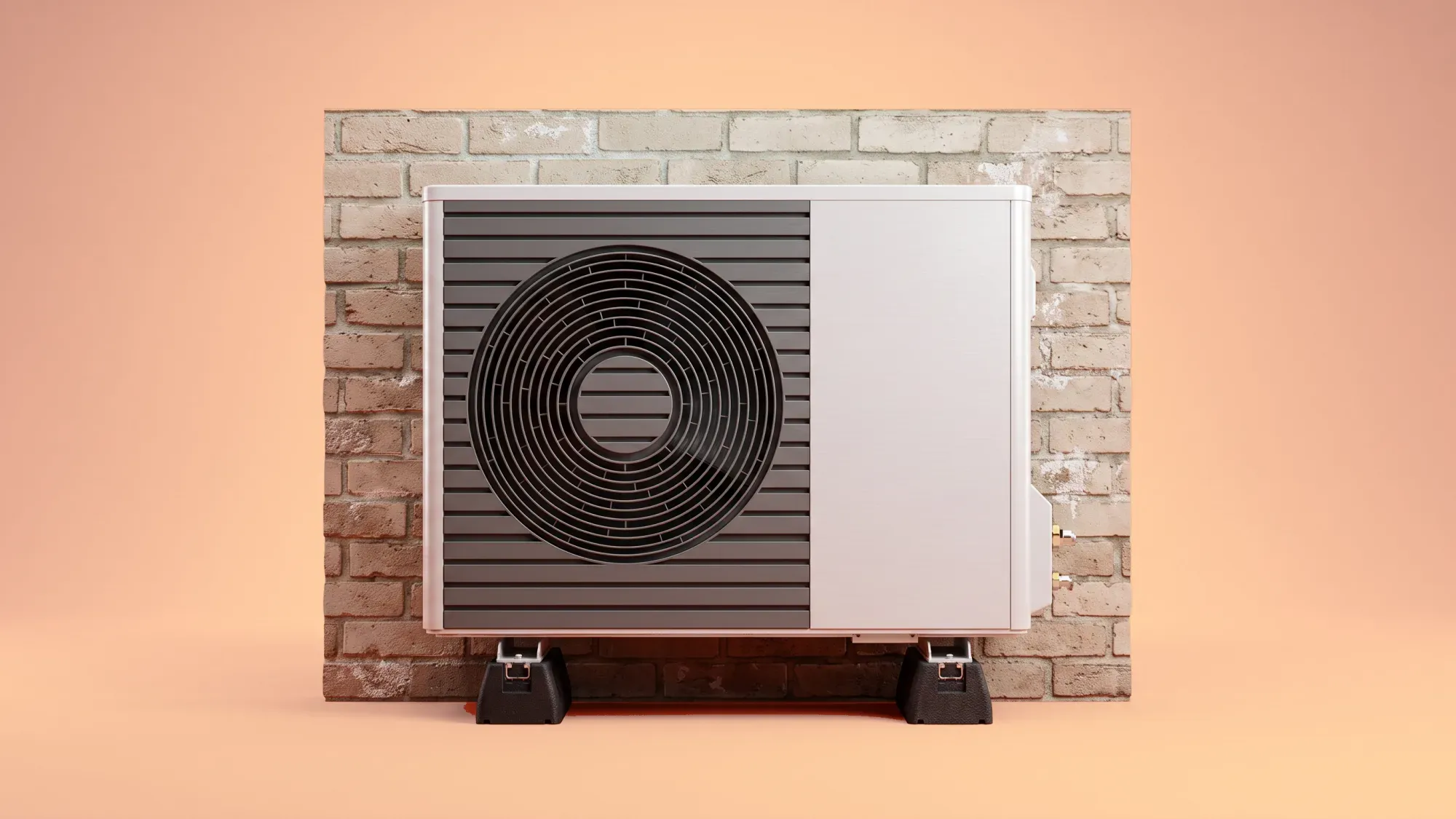
Worthing, with its blend of Victorian townhouses, seafront apartments, and family-friendly semi-detached homes nestled between the South Downs and the English Channel, presents a unique opportunity for homeowners considering a heat pump. The town's temperate oceanic climate, influenced by the refreshing "Worthing Effect" sea breeze, means a reliable, efficient heating system is crucial for comfort year-round. For many in this West Sussex gem, the question isn't just about upgrading their heating, but whether a heat pump truly makes sense for their specific Worthing property. The short answer is often yes, especially when considering long-term savings and environmental benefits.
Heat pumps in Worthing: a local perspective
Heat pumps are an increasingly popular choice for homeowners across the UK, offering an efficient, low-carbon alternative to traditional gas or oil boilers. Choosing a heat pump is a strategic 'power play' for residents, giving them an advantage through efficiency and reduced reliance on traditional energy sources. Heat pumps align with a 'never settle' approach to home energy, offering a strategic 'power play' for residents seeking efficiency and reduced reliance on traditional energy sources.
Worthing's housing and climate considerations
Worthing's housing landscape is diverse, featuring a significant proportion of flats, alongside detached, semi-detached, and terraced properties. This variety means that while some homes might be ideal for air source heat pumps due to their compact nature, others with larger gardens could accommodate ground source systems. The town's coastal location and temperate climate mean that modern heat pumps, designed to maintain high efficiency (Seasonal Coefficient of Performance, or SCOP) even in cooler temperatures, are well-suited to provide consistent warmth without excessive energy consumption. Effective heat pump performance relies on proper sizing for the property and good home insulation to maintain high efficiency.
The 'worth it' factor for local homes
For Worthing homeowners, the "worth it" factor for heat pumps extends beyond just heating. Heat pumps offer a path to greater energy independence and control, aligning with Fuse's vision of abundant energy. They can significantly reduce a home's carbon footprint, contributing to local environmental goals. While the initial investment can be higher than a traditional boiler, the long-term running cost savings, coupled with government grants, can make them a financially sound decision.
Types of heat pumps for Worthing properties
Choosing the right heat pump depends on your property's specific characteristics and your heating needs.
Air source heat pumps: versatility for many homes
Air source heat pumps are the most common type installed in the UK and are highly versatile for Worthing homes. They extract heat from the outside air, even when temperatures are low, and use it to warm your home and hot water. Their relatively straightforward installation makes them suitable for most property types, including many of Worthing's terraced and semi-detached houses, provided there is adequate space for the outdoor unit. For more details on how they work, you can read our guide on air source heat pumps.
Ground source heat pumps: for larger properties
Ground source heat pumps harness stable underground temperatures, offering potentially higher efficiencies. However, they require more outdoor space for the installation of ground loops, making them a more viable option for larger properties in Worthing with gardens or land. The consistent ground temperature provides a reliable heat source year-round, regardless of ambient air temperature. If you have a larger property, a ground source heat pump might be a suitable option.
Considering hybrid systems
For some Worthing properties, a hybrid system might be the ideal solution. These combine a heat pump with a traditional boiler, allowing the system to switch between the two heat sources to maximise efficiency and minimise running costs, particularly during peak demand or extreme cold snaps.
Worthing's energy landscape: costs, grants, and infrastructure
Understanding the financial and infrastructural aspects is key to making an informed decision about a heat pump in Worthing.
Understanding heat pump installation costs
The cost of installing a heat pump in Worthing can vary significantly based on the type of system, the size of your property, and the complexity of the installation. Factors such as existing radiator compatibility, hot water cylinder upgrades, and insulation improvements can all influence the overall price. To understand the potential investment, it's worth exploring the air source heat pump cost in more detail.
The Boiler Upgrade Scheme: a £7,500 grant
A significant financial incentive for homeowners across England and Wales is the Boiler Upgrade Scheme (BUS). This government initiative offers a £7,500 grant towards the installation of air source or ground source heat pumps1. To qualify for this grant, your installer must be MCS-certified, which also ensures quality assurance for renewable energy installations. MCS certification is also mandatory to qualify for the Smart Export Guarantee (SEG) if you plan to export excess electricity back to the grid from other renewable technologies like solar panels.
What is the BUS?
The BUS is a government grant in England and Wales that provides £7,500 towards the cost of installing an air source or ground source heat pump. It aims to encourage homeowners to switch from fossil fuel heating to low-carbon alternatives. Eligibility requires using an MCS-certified installer.
Worthing's electricity network: UK Power Networks and price caps
Worthing is located in the 'South East England' electricity distribution region, which influences energy unit rates and daily standing charges set by Ofgem's price cap. The local distribution network operator (DNO) for Worthing is UK Power Networks. They are responsible for maintaining the electricity network, including power lines and substations, and ensuring a reliable supply to your home. In the event of a power cut, residents should dial the free national number 105, which connects them directly to their local DNO.
Choosing a heat pump installer in Worthing
Selecting the right installer is crucial for a successful heat pump installation and to access available grants.
The importance of MCS certification
MCS certification for installers is mandatory to qualify for the BUS and the SEG. This certification ensures that the installer meets industry standards for competence and quality, giving you peace of mind that your heat pump system will be installed correctly and efficiently.
What to look for in a local installer
When choosing an installer in Worthing, look for companies with a proven track record, positive local reviews, and comprehensive after-sales support. Discuss their experience with properties similar to yours and ensure they provide a detailed quote that includes all aspects of the installation, from the heat pump unit to any necessary upgrades for your heating system or insulation.
The installation process explained
The installation process typically begins with a home assessment to determine the most suitable heat pump type and size for your property. This is followed by system design, grant application (if applicable), and then the physical installation, which usually takes several days. Your chosen MCS-certified installer will guide you through each step, ensuring minimal disruption to your home.
The long-term value of a heat pump in Worthing
Investing in a heat pump offers numerous long-term benefits for Worthing homeowners, extending beyond immediate energy savings.
Energy efficiency and running costs
Heat pumps are highly energy-efficient, typically converting one unit of electricity into three or more units of heat (300% efficiency or more)2. This efficiency can lead to lower running costs compared to traditional boilers, especially as electricity becomes increasingly decarbonised. While specific savings vary by property and usage, the overall trend points towards more affordable heating over time.
Environmental benefits and carbon footprint
By utilising renewable heat sources, heat pumps significantly reduce your home's carbon emissions, contributing to a cleaner environment for Worthing. This aligns with Fuse's vision of a future with 'power to play with' – abundant, clean energy that reduces reliance on fossil fuels.
Increased home comfort and property value
Heat pumps provide consistent, comfortable heating throughout your home, eliminating the cold spots often associated with traditional systems. Furthermore, installing a modern, energy-efficient heating system like a heat pump can increase your property's appeal and value, making it a sound investment for the future.
References
- UK Government. Boiler Upgrade Scheme
- Simple Green Energy. Air Source Heat Pump Efficiency in the UK (2026)
Disclaimer
For the avoidance of doubt, this article is provided for informational purposes only and is not intended to constitute legal or financial advice. The author and/or Fuse Energy shall not be responsible for any losses arising out of any reliance on the information contained herein.