Heat pumps for Wimbledon homes
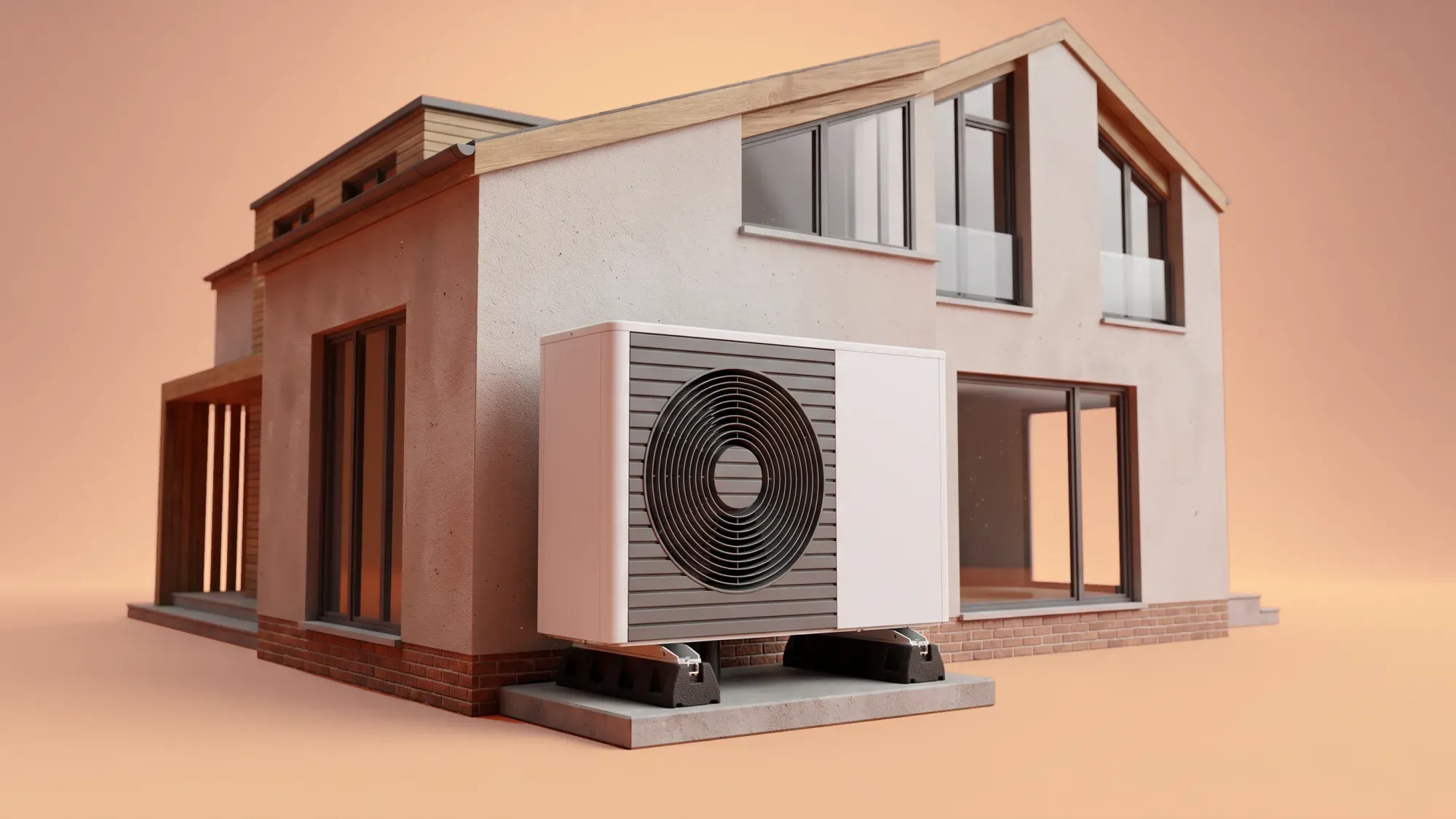
Wimbledon, with its iconic tennis championships and charming blend of Victorian and Edwardian properties, offers a unique setting for homeowners considering a heat pump. While the area is synonymous with tradition, modern heat pump technology provides a forward-thinking solution for heating that aligns with both sustainability goals and the practical needs of older homes.
Understanding heat pumps for Wimbledon homes
Heat pumps are an efficient, sustainable alternative to traditional heating systems, crucial for homeowners seeking to reduce their carbon footprint and energy bills. They work by extracting heat from the air, ground, or water and transferring it into your home, even when outside temperatures are low.
What is a heat pump and how does it work?
A heat pump operates much like a refrigerator in reverse. Instead of moving heat out of a confined space, it moves heat into your home. Air source heat pumps, the most common type in the UK, absorb heat from the outside air, compress it to increase its temperature, and then release it into your home's heating system. Even on cold days, there is enough heat in the air for a heat pump to work effectively.
Suitability for Wimbledon's property types
Many Wimbledon homes, particularly the characteristic Victorian and Edwardian terraces, were built before modern insulation standards. This often leads to questions about heat pump suitability. However, modern heat pump units can work effectively in older properties, provided the system is correctly designed and the property's insulation is adequate. The age of the building is not the deciding factor; rather, it is the quality of the system design and any retrofit choices made. A professional survey and a room-by-room heat loss calculation are essential to determine the right heat pump for your specific home. Improvements like draught-proofing and potentially internal wall insulation can significantly enhance a heat pump's performance in older homes.
Air source vs ground source heat pumps
The primary distinction lies in where the heat is extracted from. Air source heat pumps draw heat from the ambient air, making them generally easier and less disruptive to install as they only require an outdoor unit. Ground source heat pumps, conversely, extract heat from the ground using buried pipes. While typically more efficient, they require significant outdoor space for excavation, which can be a limiting factor for many Wimbledon properties. For most urban and suburban settings like Wimbledon, air source heat pumps are the more practical and popular choice.
Benefits of heat pumps in Wimbledon
Beyond simply heating your home, heat pumps offer several advantages that resonate with Wimbledon homeowners looking for modern, efficient solutions.
Reducing your carbon footprint
By using electricity to move heat rather than generate it through burning fossil fuels, heat pumps significantly lower your home's carbon emissions. This aligns with the growing desire for sustainable living and contributes to national efforts to decarbonise heating.
Long-term energy savings
While the initial investment for a heat pump can be higher than a traditional boiler, their operational efficiency often leads to lower energy bills over time. Heat pumps typically produce more units of heat energy than the electrical energy they consume. For instance, an air source heat pump might produce 3-4 units of heat for every unit of electricity used in moderate temperatures, achieving efficiencies of 300% or more1. This efficiency, measured by its Seasonal Coefficient of Performance (SCOP), provides a more comprehensive view of a heat pump's efficiency over an entire heating season, accounting for varying temperatures. To understand the full financial picture, it is worth exploring if heat pumps are worth it for your specific situation.
Consistent comfort in all seasons
Heat pumps deliver a steady, comfortable warmth throughout your home, avoiding the on-off cycles and temperature fluctuations often associated with traditional boilers. They can also provide cooling in the summer months, offering a dual-purpose solution for year-round climate control.
Navigating heat pump installation in Wimbledon
Installing a heat pump involves several steps, from initial assessment to final commissioning. Understanding this process and key considerations will help Wimbledon homeowners prepare effectively. For a deeper dive into the overall expenses, you can also look into the air source heat pump cost.
The installation process explained
The installation typically begins with a detailed home survey and heat loss calculation by an MCS-certified installer. This determines the appropriate size and type of heat pump for your property. Following this, the outdoor unit (for air source) is positioned, and the indoor components are integrated with your existing heating system, which may involve upgrading radiators or pipework. The system is then commissioned and tested to ensure optimal performance.
Importance of property insulation and sizing
Proper sizing of a heat pump to the property and adequate insulation are critical factors for ensuring optimal efficiency and performance, especially in older homes. A heat pump that is too small will struggle to heat your home, while one that is too large will cycle on and off inefficiently. Improving your home's insulation, such as loft insulation, cavity wall insulation, or draught-proofing, reduces heat loss and allows the heat pump to operate more efficiently, saving you money and maximising comfort.
Integrating with existing heating systems
Heat pumps operate at lower flow temperatures than traditional boilers. This means that existing radiators in older homes might need to be upgraded to larger sizes to effectively distribute the heat at these lower temperatures. Alternatively, underfloor heating systems are an excellent pairing with heat pumps due to their ability to provide comfortable warmth at lower temperatures. An MCS-certified installer will assess your current system and recommend any necessary upgrades.
Financial support and local energy context
Wimbledon homeowners can benefit from government grants and should understand how local energy infrastructure impacts their heat pump investment.
The Boiler Upgrade Scheme grant
The Boiler Upgrade Scheme (BUS) provides a significant grant to encourage the adoption of low-carbon heating technologies like heat pumps. Homeowners in England and Wales can receive £7,500 towards the cost and installation of an air source or ground source heat pump^[2,3]. This grant is administered by Ofgem and is available to homeowners and small business owners who are replacing an existing fossil fuel heating system. Crucially, the installation must be carried out by an MCS-certified installer to qualify for the grant4. From 21 July 2026, households in England and Wales currently on heating oil can claim an uplifted £9,000 grant5.
Who is eligible for the BUS?
The BUS is available to homeowners and small business owners in England and Wales who own their property and are replacing a fossil fuel heating system. The installation must be completed by an MCS-certified installer. As of April 2026, properties no longer need a valid Energy Performance Certificate (EPC) to qualify for the scheme.
Wimbledon's electricity price cap region (London)
Wimbledon sits within the 'London' electricity distribution region for Ofgem's price cap. This means its unit rates and daily standing charges for electricity can differ from other regions in Great Britain. The price cap sets the maximum unit rates and standing charges suppliers can apply to domestic customers on standard variable tariffs, but your actual bill depends on your energy usage. Understanding these regional variations is important when calculating potential energy costs and savings with a heat pump.
Understanding UK Power Networks (your local DNO)
The local distribution network operator (DNO) for Wimbledon is UK Power Networks. DNOs are responsible for maintaining the electricity cables and lines that deliver power to your home. In the event of a power cut, Wimbledon residents can dial the free national number 105, which routes directly to UK Power Networks. UK Power Networks is actively investing in upgrading its infrastructure in South West London, including the Wimbledon area, to support growing energy demands and the transition to low-carbon technologies like heat pumps.
Choosing a heat pump installer in Wimbledon
Selecting the right installer is paramount for a successful heat pump installation and for accessing available grants.
Why MCS certification matters
MCS (Microgeneration Certification Scheme) certification for installers is a mandatory requirement to qualify for government grants like the BUS. Beyond grant eligibility, MCS-certified installers adhere to industry standards for quality workmanship, customer care, and competency. This ensures your heat pump system is designed and installed to the highest standards, providing reliable and efficient heating for years to come. You can find MCS-certified installers using the dedicated "Find an Installer" tool on the MCS website.
Questions to ask potential installers
When obtaining quotes, ask potential installers about their experience with properties similar to yours, particularly older homes in Wimbledon. Enquire about their approach to heat loss calculations, their recommendations for insulation upgrades, and how they plan to integrate the heat pump with your existing heating system. Always request a detailed breakdown of costs, including the deduction of the BUS grant.
Ensuring long-term performance and maintenance
A well-installed heat pump should provide reliable heating with minimal fuss. However, like any heating system, regular maintenance is important to ensure its long-term performance and efficiency. Discuss maintenance schedules and warranty information with your chosen installer. Modern heat pump units can maintain a high Seasonal Coefficient of Performance (SCOP) across a typical UK winter when correctly sized and paired with sensible insulation.
References
- Simple Green Energy. Air Source Heat Pump Efficiency in the UK (2026)
- UK Government. Boiler Upgrade Scheme - GOV.UK
- UK Government. Apply for the Boiler Upgrade Scheme: What you can get - GOV.UK
- UK Government. Boiler Upgrade Scheme and certification requirements for clean heat schemes - GOV.UK
- UK Government. Thousands of homes will be eligible for £9,000 off a heat pump - GOV.UK
Disclaimer
For the avoidance of doubt, this article is provided for informational purposes only and is not intended to constitute legal or financial advice. The author and/or Fuse Energy shall not be responsible for any losses arising out of any reliance on the information contained herein.