Heat pumps in West Yorkshire
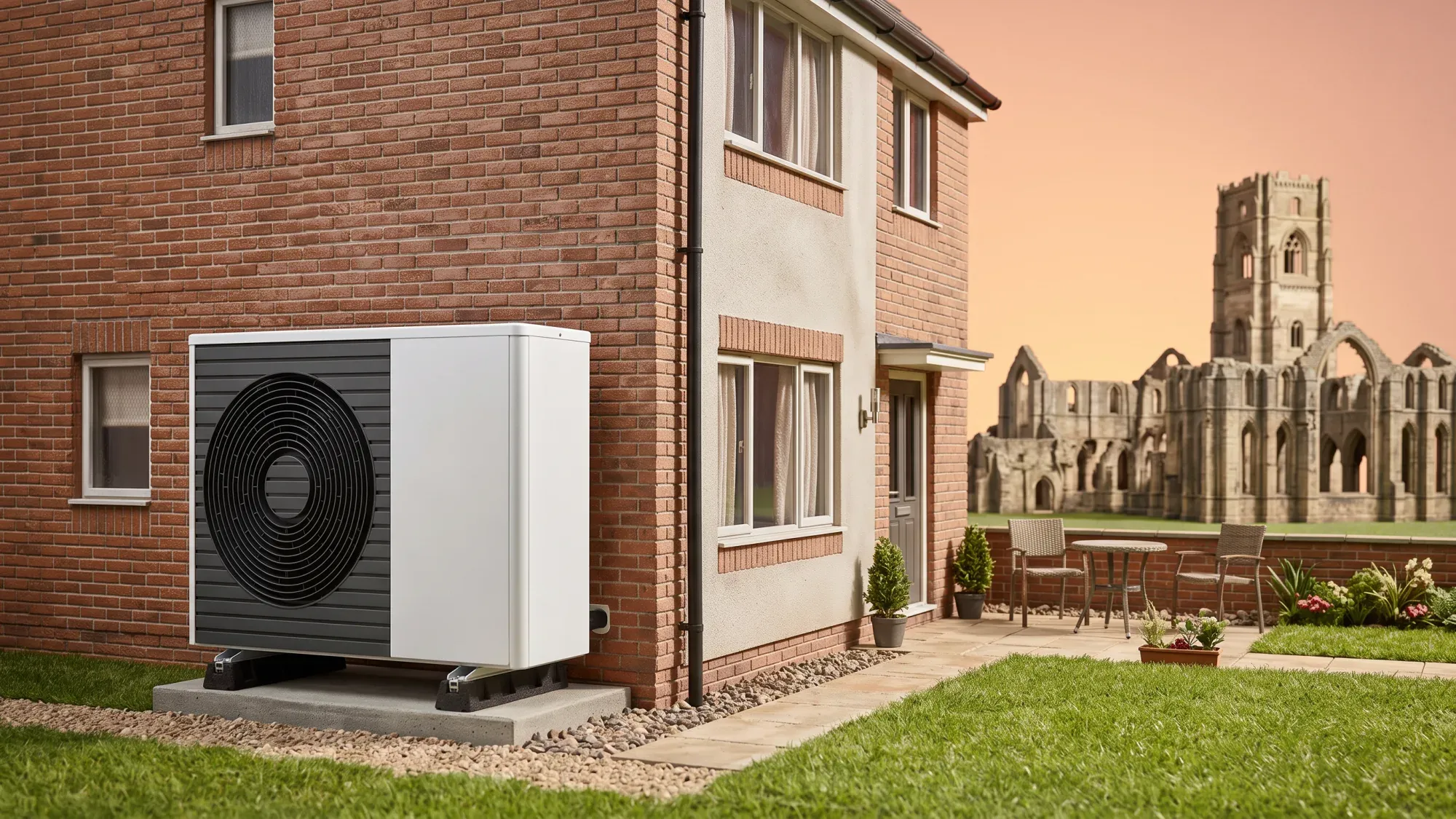
Considering a heat pump for your West Yorkshire home means looking at how these efficient systems perform in a region known for its diverse architecture and distinct inland climate. This guide cuts through the noise, offering clear, localised information on benefits, costs, grants, and the specific energy landscape of West Yorkshire, helping you make an informed decision for a warmer, more energy-efficient home.
Heat pumps offer an energy-efficient and environmentally friendly alternative to traditional heating systems, a key consideration for homeowners Across the UK looking to reduce their carbon footprint and energy bills. Unlike boilers that burn fossil fuels, heat pumps move existing heat from one place to another, making them significantly more efficient.
Why consider a heat pump for your West Yorkshire home?
Across the UK, heat pumps are gaining traction as a core technology in the transition to low-carbon heating. They draw heat from the air, ground, or water, even in cold temperatures, and transfer it into your home for heating and hot water. This process uses electricity, but for every unit of electricity consumed, they typically generate several units of heat, leading to high efficiency.
Benefits for West Yorkshire's diverse housing stock
West Yorkshire's housing stock is incredibly varied, encompassing everything from stone-built cottages and Victorian terraced houses in towns like Hebden Bridge and Saltaire, to 20th-century semis and contemporary developments on the outskirts of Leeds and Bradford. Modern heat pumps are designed to operate efficiently across this spectrum, even in colder northern climates, provided they are correctly sized and installed in well-insulated properties. For older homes, improving insulation is often a crucial first step to ensure optimal performance and long-term cost savings from a heat pump.
Understanding heat pumps: how they work in a northern climate
Choosing the right heat pump involves understanding the different types available and how they perform in West Yorkshire's specific weather conditions.
Air source vs ground source heat pumps
The two main types of heat pumps are air source and ground source. Air source heat pumps (ASHPs) extract heat from the outside air, even when temperatures drop below freezing. They are generally simpler and less disruptive to install, making them a popular choice for many homes. You can learn more about how they work in our air source heat pump guide. Ground source heat pumps (GSHPs), on the other hand, draw heat from the ground using buried pipes. While more expensive and complex to install due to the excavation required, they can offer slightly higher efficiency and more stable performance as ground temperatures are more consistent than air temperatures.
Efficiency in West Yorkshire's weather
A common misconception is that heat pumps struggle in colder climates. However, modern heat pumps are engineered to perform effectively even when outside temperatures are well below freezing. For West Yorkshire, where winter temperatures can certainly drop, this means a properly specified and installed heat pump will reliably heat your home. The key is correct sizing for your property's heat demand and ensuring your home is adequately insulated to retain that heat.
The importance of home insulation
Effective home insulation is critical for a heat pump's optimal performance, energy efficiency, and long-term cost savings. A heat pump works best when it can maintain a consistent, lower flow temperature over longer periods. If your home is poorly insulated, heat will escape quickly, forcing the heat pump to work harder and less efficiently, negating some of its benefits. Upgrading loft, wall, and floor insulation, along with ensuring efficient windows and doors, will maximise your heat pump's effectiveness and reduce running costs.
Heat pump grants and funding in West Yorkshire
The upfront cost of a heat pump can be a barrier, but significant government grants are available to help West Yorkshire homeowners make the switch to low-carbon heating.
The Boiler Upgrade Scheme (BUS)
The Boiler Upgrade Scheme (BUS) is a government-backed grant designed to encourage homeowners in England and Wales to install low-carbon heating systems.1 It offers £7,500 towards the cost and installation of an air source or ground source heat pump.2 From 21 July 2026 until 31 March 2027, households in England and Wales currently on heating oil or LPG can claim an uplifted £9,000 grant3 to move off the oil grid. This can significantly reduce the initial investment required, making heat pumps a more accessible option.
What is the BUS?
The BUS is a UK government initiative providing grants to homeowners in England and Wales to help cover the cost of installing low-carbon heating systems like heat pumps. It offers £7,500 towards air source or ground source heat pumps, reducing the upfront expense and encouraging the transition away from fossil fuel boilers. For those on heating oil or LPG, a £9,000 grant is available from 21 July 2026 until 31 March 2027.
Eligibility criteria for West Yorkshire homeowners
To qualify for the BUS grant, West Yorkshire homeowners must meet specific criteria.4 Your property must be in England or Wales, be a home or small non-domestic building, and have an installation capacity up to 45kWth. You must also have a valid Energy Performance Certificate (EPC) with no outstanding recommendations for loft or cavity wall insulation, unless an exemption applies. The grant is installer-led, meaning your chosen MCS-certified installer will apply for the grant on your behalf and deduct the grant amount from your total bill. Ofgem, the scheme administrator, will then contact you for your consent to the application.5
MCS certification: your key to grants and quality
Microgeneration Certification Scheme (MCS) certification for installers is a mandatory requirement for homeowners to qualify for the BUS grant. It's an industry standard that ensures the quality of both the product and the installation. Choosing an MCS-certified installer means they meet rigorous standards, giving you peace of mind and ensuring your installation is eligible for government support. Without an MCS-certified installer, you cannot access the BUS grant.
Local energy landscape: costs, DNO, and price cap
Understanding West Yorkshire's local energy infrastructure is crucial for estimating heat pump running costs and navigating the installation process.
West Yorkshire's electricity price cap region: 'Yorkshire'
Ofgem sets regional price caps for electricity and gas, which directly affect your unit rates and standing charges. West Yorkshire is located within the 'Yorkshire' electricity distribution region. This means the specific unit rates and daily standing charges you pay under Ofgem's price cap will be determined by this regional classification. These regional variations can influence the overall running costs of a heat pump compared to other parts of the country.
Northern Powergrid: your local distribution network operator
Northern Powergrid is the Distribution Network Operator (DNO) responsible for West Yorkshire's electricity network. DNOs manage the local electricity grid, handle power cuts, and are responsible for grid connections for new installations, including heat pumps. If you experience a power cut in West Yorkshire, you would typically contact your local DNO by dialling the free national number 105. This number connects you directly to the DNO for your area. If you are unsure who your network operator is, you can use the Energy Networks Association's "Find my network operator" tool online. Northern Powergrid also plays a role in ensuring your home's electricity supply can handle the demands of a new heat pump installation.
Factors affecting heat pump running costs
Several factors influence the running costs of a heat pump in West Yorkshire. These include the efficiency of your specific heat pump model, your home's insulation levels, your electricity tariff (which is influenced by the 'Yorkshire' price cap region), and your household's heating demands. While heat pumps are highly efficient, their running costs are directly tied to the price of electricity. Optimising your home's insulation and choosing an energy tariff that suits your usage patterns can help keep costs down. You can also analyse the overall air source heat pump cost including installation and running expenses.
Choosing a heat pump installer in West Yorkshire
Finding the right installer is paramount for a successful heat pump installation in West Yorkshire. It ensures not only a high-quality system but also access to available grants.
Finding MCS-certified local professionals
As mentioned, MCS certification is essential for grant eligibility and guarantees quality. When searching for a heat pump installer in West Yorkshire, prioritise those who are MCS-certified. You can typically find a directory of certified installers on the MCS website. Look for local companies with a strong track record and positive reviews from other homeowners in the region.
Questions to ask potential installers
Before committing to an installer, ask detailed questions to ensure they understand your specific needs and West Yorkshire's local context. Inquire about their experience with similar properties in the area, how they would assess your home's insulation requirements, and their process for sizing the heat pump correctly for your property's heat loss. Ask for references and examples of previous installations.
Getting and comparing quotes
Obtain multiple quotes from different MCS-certified installers. This allows you to compare not just the price, but also the proposed system, the scope of work, and the estimated efficiency. A comprehensive quote should include the cost of the heat pump, installation, any necessary upgrades to your heating system (like radiators or hot water cylinder), and the deduction of the BUS grant.
The heat pump installation process: what to expect
Once you've chosen an installer, understanding the typical installation process can help you prepare for the transition to a heat pump.
From survey to switch-on
The process usually begins with a detailed home survey by your chosen installer. They will assess your property's heat loss, current heating system, and insulation levels to recommend the most suitable heat pump and its size. Following this, the installation involves fitting the outdoor unit (for air source), indoor components, and connecting it to your existing heating and hot water system. The installer will then commission the system, ensuring it operates efficiently and provides adequate heat. This can take several days, depending on the complexity of the installation.
Maintenance and long-term performance
Heat pumps generally require less maintenance than traditional boilers. Annual servicing is recommended to ensure optimal performance and longevity. This typically involves checking refrigerant levels, cleaning filters, and inspecting components. With proper installation and regular maintenance, a heat pump can provide efficient heating for 15-20 years or more, offering a reliable and sustainable heating solution for your West Yorkshire home. If you're wondering if are heat pumps worth it, considering their lifespan and efficiency is key.
Fuse Energy aims to empower homeowners with knowledge about heat pumps, helping them make energy choices that lead to greater energy independence and potentially lower bills. The Vaillant aroTHERM plus is a common UK heat pump choice. We provide clear, unbiased information about heat pump costs, grants, and local specifics, giving West Yorkshire homeowners control over their energy decisions.
References
- UK Government. Apply for the Boiler Upgrade Scheme
- UK Government. Apply for the Boiler Upgrade Scheme: What you can get
- UK Government. Thousands of homes will be eligible for £9,000 off a heat pump
- UK Government. Apply for the Boiler Upgrade Scheme: Check if you're eligible
- Ofgem. Boiler Upgrade Scheme (BUS) - Property owners
Disclaimer
For the avoidance of doubt, this article is provided for informational purposes only and is not intended to constitute legal or financial advice. The author and/or Fuse Energy shall not be responsible for any losses arising out of any reliance on the information contained herein.