Heat pumps for South Yorkshire homes
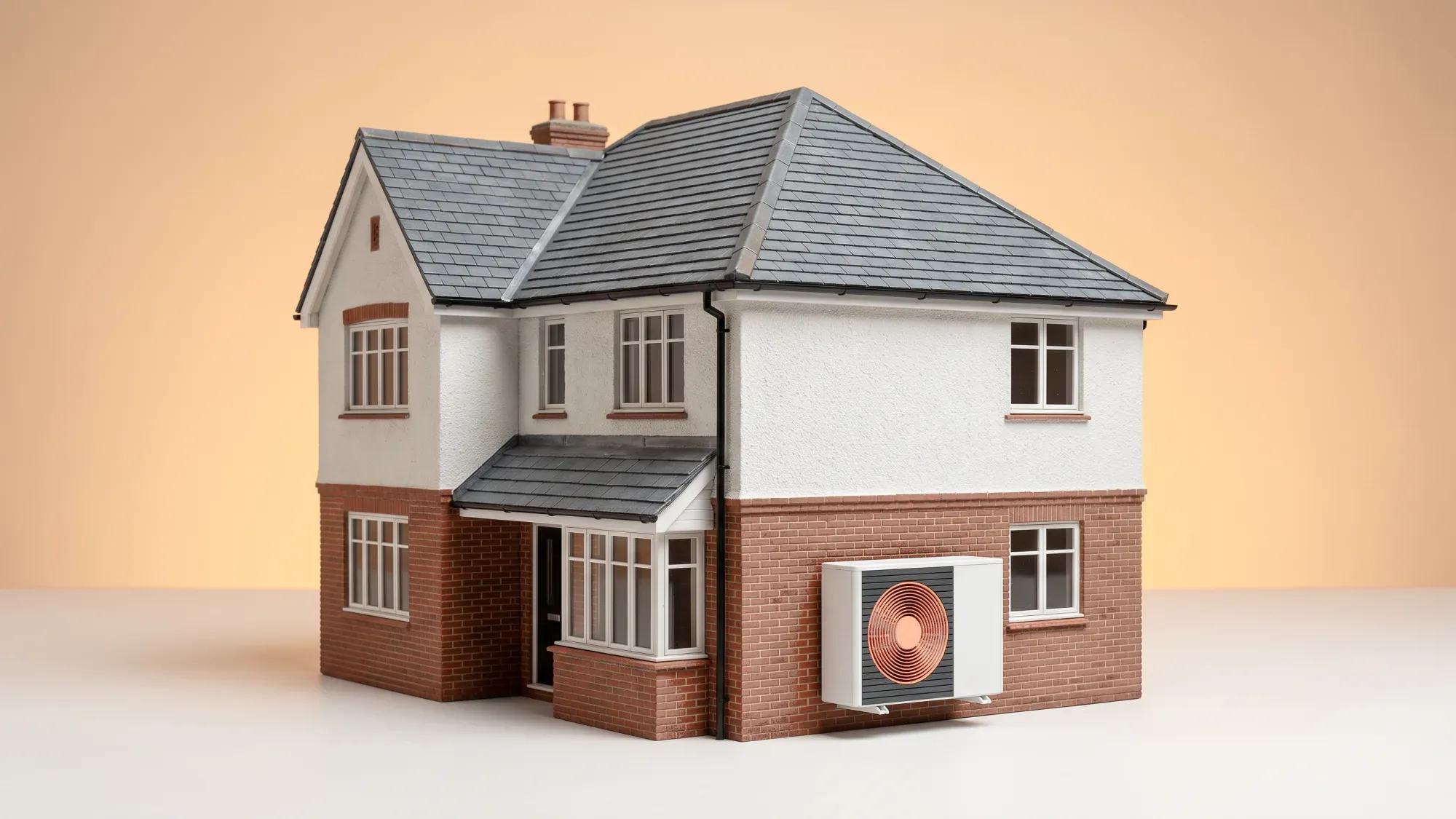
South Yorkshire, with its varied housing stock - from Victorian terraces in Sheffield to rural properties on the Peak District's edge - and its distinct northern climate, presents unique considerations for home heating. While the region experiences colder winters than some southern parts of the UK, modern heat pump technology is well-suited to keep homes warm and energy-efficient here, provided they are correctly specified and installed.
Heat pumps are an efficient, low-carbon heating solution for UK homes, capable of operating effectively even in colder climates when correctly specified. They work by extracting heat from the air or ground and transferring it into your home, rather than generating heat through combustion like traditional boilers. This process makes them significantly more energy-efficient and environmentally friendly.
Heat pumps in South Yorkshire: a local overview
The varied architecture across South Yorkshire, from older, solid-walled properties to newer, well-insulated homes, means that a one-size-fits-all approach to heating is rarely effective. Heat pumps can be successfully installed in homes of every style and era, including Victorian mid-terraces and pre-WWII semis, provided the system is designed appropriately. The local climate, characterised by cooler temperatures in winter, means that proper home insulation and correct system sizing are crucial for maximising heat pump efficiency and performance.
Why consider a heat pump locally?
For South Yorkshire homeowners, transitioning to a heat pump offers several compelling advantages. Beyond the environmental benefits of reduced carbon emissions, heat pumps can lead to lower energy bills in the long term, especially when paired with the right electricity tariff. With ongoing government support, such as the Boiler Upgrade Scheme, the upfront cost of installation is also significantly reduced, making this technology more accessible.
Understanding heat pump technology for your home
Heat pumps operate on a fundamental principle: moving heat from one place to another. This makes them highly efficient, as they use a small amount of electricity to transfer a larger amount of heat.
Air source vs ground source heat pumps
The two primary types of heat pumps are air source and ground source, differing mainly in where they extract heat from.
- Air source heat pumps (ASHPs): These systems extract heat from the outdoor air, even at temperatures as low as -15°C. An outdoor unit, similar to an air conditioning unit, draws in air over a heat exchanger. ASHPs are generally more affordable to install and require less land, making them suitable for most properties, including terraces and urban homes. Installation typically takes 1-3 days.
- Ground source heat pumps (GSHPs): These draw heat from the ground using a network of buried pipes. The ground maintains a more stable temperature year-round (typically 8-12°C at depth), making GSHPs generally more efficient than ASHPs. However, they have a higher upfront cost due to the significant groundworks required for laying pipes, which can involve extensive trenching or boreholes. GSHPs are best suited for rural properties with sufficient land. You can learn more about the differences in our guide on air source vs ground source heat pumps.
How heat pumps work in colder climates
A common misconception is that heat pumps struggle in cold weather. In reality, modern heat pumps are designed to operate efficiently in UK winters, even when temperatures drop below 0°C. While their efficiency might slightly lessen below -5°C, they can still provide effective heating and are often more efficient than direct electric heating. Many models can heat homes down to -15°C, with some functioning even at -25°C. The key to optimal performance in colder northern weather is correct system sizing and good home insulation.
Costs, grants, and local financial considerations
Understanding the financial aspects of heat pump installation and running costs is crucial for South Yorkshire homeowners.
Boiler Upgrade Scheme: grant explained
The Boiler Upgrade Scheme (BUS) is a significant government initiative designed to make low-carbon heating systems more affordable in England and Wales. It provides a grant of £7,500 towards the installation of air source or ground source heat pumps. From 21 July 2026, households in England and Wales currently on heating oil can claim an uplifted £9,000 to move off the oil grid. To be eligible, you must own the property, be replacing a fossil fuel heating system (such as a gas boiler), and ensure your installer is certified by the Microgeneration Certification Scheme (MCS). The scheme is administered by Ofgem and is currently funded until at least 31 December 2027, with some indications of extensions to 2030.
Typical heat pump costs in South Yorkshire
The cost of installing a heat pump varies depending on the type of system, property size, and insulation levels. After the BUS grant, the typical installed cost for an air source heat pump can range from £500 to £7,500, though average costs are around £3,500 to £6,500 for a three-bedroom home. Ground source heat pumps are more expensive due to the extensive groundwork, with costs typically ranging from £10,500 to £37,500 after the grant. These figures include materials and labour.
Running costs for a modern air source heat pump in a well-insulated three-bedroom UK home typically range from £700 to £1,100 per year, including hot water. This assumes electricity at around 26p per kWh (Ofgem's July to September 2026 price cap average) and a Seasonal Coefficient of Performance (SCOP) between 3.0 and 4.0. With the right electricity tariff, heat pumps can be cheaper to run than gas boilers. You can explore more about the overall air source heat pump cost in our detailed guide.
Local energy pricing: Yorkshire price cap and Northern Powergrid
South Yorkshire homeowners should be aware of how local energy infrastructure affects their bills. The region sits in the "Yorkshire" electricity distribution region for Ofgem's price cap. For July to September 2026, the electricity unit rate in Yorkshire is 25.31p/kWh, with a standing charge of 64.38p/day. These regional variations are due to distribution and network charges, which cover the cost of transporting energy to your home.
The local Distribution Network Operator (DNO) for South Yorkshire is Northern Powergrid, which is responsible for the electricity supply infrastructure in the region. If you experience a power cut, South Yorkshire residents should dial the free national number 105, which routes to Northern Powergrid. Northern Powergrid also needs to be notified about heat pump installations to ensure the network can accommodate the new equipment and maintain safe, reliable operation.
Choosing the right heat pump and installer
Making an informed decision about your heat pump system and installer is critical for long-term satisfaction and efficiency.
Assessing your home's suitability and insulation
Most UK homes are suitable for a heat pump with the right system design. However, a heat loss survey is the best way to assess your property's specific needs. While modern heat pumps can work in both new and older properties, good insulation significantly improves efficiency. Homes with poor insulation may find that gas remains a cheaper option to run, highlighting the importance of insulation upgrades before installation. Heat pumps often require larger radiators or underfloor heating to operate optimally at lower flow temperatures.
The importance of MCS-certified installers
To qualify for government grants like the BUS, it is mandatory that your heat pump installation is carried out by an MCS-certified installer. MCS certification is a quality assurance standard for renewable energy technologies and installers, ensuring that the system is designed and installed to a high standard. MCS-certified installers are available across South Yorkshire.
What is MCS certification for heat pump installers?
MCS certification is a quality assurance standard for renewable energy installers in the UK. It ensures that heat pump systems are designed, installed, and commissioned to a high professional standard. Crucially, having an MCS-certified installer is a mandatory requirement for homeowners to be eligible for government grants like the BUS.
Questions to ask local installers
When obtaining quotes from multiple MCS-certified heat pump installers in South Yorkshire, ask about:
- Their experience with properties similar to yours in the local area.
- The specifics of the heat loss survey they will conduct.
- The proposed system design, including heat pump type, size, and any necessary upgrades to radiators or pipework.
- Their process for handling the BUS grant.
- Their aftercare and maintenance services.
The heat pump installation process
The journey to a heat pump-heated home typically follows a structured process to ensure a smooth transition.
From survey to switch-on
- Assessment and survey: An MCS-certified installer will conduct a detailed heat loss survey of your home to determine the appropriate size and type of heat pump system. This involves evaluating your home's insulation, existing heating system, and hot water demands.
- System design: Based on the survey, a custom system will be designed, optimised for your property and South Yorkshire's climate. This includes selecting the heat pump unit, radiators or underfloor heating, and hot water cylinder.
- Quotation and grant application: You will receive a detailed quote, with the £7,500 BUS grant deducted by the installer. The installer will then apply for the grant on your behalf.
- Installation: Certified engineers will carry out the installation, which for air source heat pumps typically takes 1-3 days. Ground source installations take longer due to the groundwork involved.
- Commissioning and handover: Once installed, the system is commissioned, tested, and you will receive guidance on how to operate it efficiently.
Minimising disruption during installation
Reputable installers aim to minimise disruption. For air source heat pumps, the outdoor unit is typically placed against an external wall, and the indoor unit in a utility room or airing cupboard. Ground source systems involve more significant groundwork, but careful planning can help manage the impact. Your chosen installer should provide a clear timeline and communicate any potential disruptions in advance.
Long-term benefits and local impact
Investing in a heat pump is a long-term decision that offers significant benefits for your home and the wider South Yorkshire community.
Reducing your carbon footprint
Heat pumps are a key technology in the UK's drive towards net-zero emissions by 2050. By moving heat rather than generating it from fossil fuels, they significantly reduce your home's carbon footprint. This aligns with Northern Powergrid's efforts to decarbonise the region and facilitate the uptake of low-carbon technologies.
Potential savings on energy bills
While electricity is currently more expensive per unit than gas, the high efficiency of heat pumps means they can be comparable to, or even cheaper than, gas boilers to run, especially with the right electricity tariff. A well-insulated three-bedroom semi-detached home could see annual running costs for heating and hot water as low as £700-£1,100. Furthermore, heat pump maintenance costs are generally lower than gas boilers, averaging £150-£300 per year, with no annual Gas Safe inspection required.
Future-proofing your South Yorkshire home
As the UK transitions away from fossil fuels, heat pumps represent a future-proof heating solution. They offer greater control over your home energy, aligning with Fuse Energy's vision of providing "power to play with." By upgrading to a heat pump, you are not just improving your home's energy efficiency; you are also enhancing its value and resilience in a changing energy landscape. To understand if this investment is right for you, consider reading our article: Are heat pumps worth it?.
Disclaimer
For the avoidance of doubt, this article is provided for informational purposes only and is not intended to constitute legal or financial advice. The author and/or Fuse Energy shall not be responsible for any losses arising out of any reliance on the information contained herein.