Heat pumps for South East homes
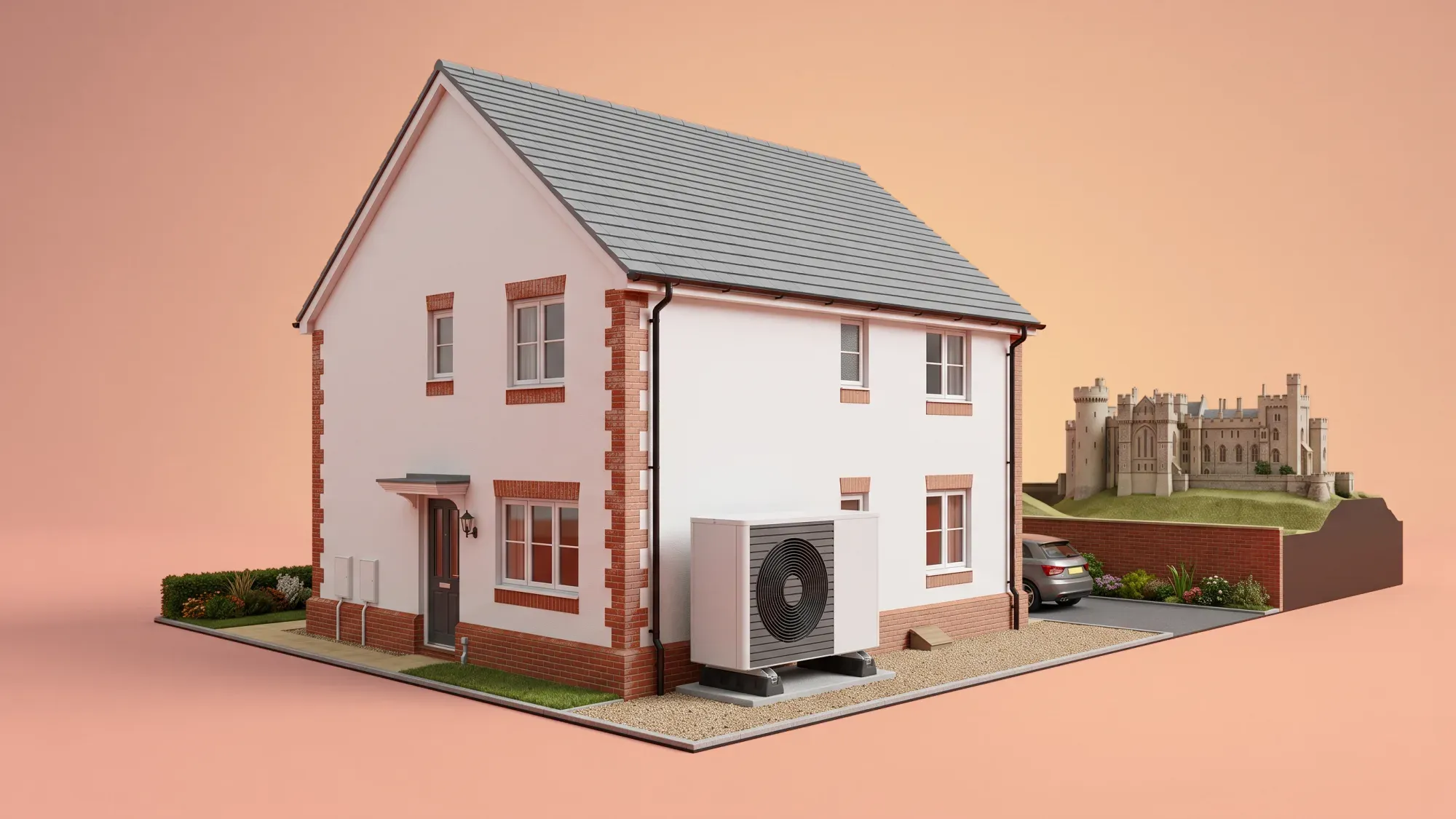
For homeowners across the South East of England, from the bustling towns of Surrey and Kent to the coastal stretches of Sussex and Hampshire, understanding heat pumps means navigating local specifics. The region's diverse housing stock, which includes everything from Victorian terraces and charming rural cottages to modern new-builds, presents unique considerations for anyone looking to upgrade their home heating. This guide cuts through the general advice to offer clear, actionable insights tailored for residents in the South East, helping you make an informed decision for your home energy future.
Why consider a heat pump for your South East home?
Heat pumps offer an energy-efficient alternative to traditional fossil fuel heating systems, aligning with a future where energy is abundant and clean. They do not generate heat by burning fuel; instead, they move heat from one place to another, typically from the air or ground outside your home, to warm your living spaces and hot water. This process makes them significantly more efficient than conventional boilers. If you are wondering if heat pumps are worth it, their long-term benefits are substantial.
Energy efficiency and environmental benefits
Heat pumps are an energy-efficient heating solution that can significantly reduce carbon emissions from homes. Unlike gas boilers, they produce no direct carbon emissions at the point of use. Modern heat pump units can maintain high efficiency (SCOP) across a typical UK winter when correctly sized for the property and paired with sensible insulation, ensuring your home stays warm even on colder days. This efficiency translates directly into lower energy consumption and a reduced environmental footprint for your household.
Long-term savings and property value
While the upfront cost of installing a heat pump can be higher than a traditional boiler, the long-term operational savings can be substantial due to their efficiency. Furthermore, government grants are available to help offset these initial costs. Installing a low-carbon heating system like a heat pump can also increase your property's appeal and value, as energy efficiency becomes an increasingly important factor for homebuyers.
Local considerations for heat pumps in the South East
The South East's unique characteristics mean that a one-size-fits-all approach to heat pump installation simply will not do. Understanding your local context is key to a successful upgrade.
Housing stock and suitability
The South East boasts a wide array of property types, from older, less insulated period homes to highly energy-efficient new-builds. Heat pumps are suitable for many homes, but their optimal performance depends heavily on correct sizing for the property and adequate insulation. Older properties, common in areas like Brighton, Canterbury, or Winchester, might require insulation upgrades, such as loft insulation or double glazing, to maximise a heat pump's efficiency. For homeowners in South East London, where terraced and semi-detached houses are prevalent, air source heat pumps are often a practical choice due to space constraints, while ground source options might suit larger properties with available land.
Climate and performance
The South East generally experiences milder winters compared to more northern parts of the UK, which can be advantageous for heat pump performance. Even so, modern heat pumps are designed to operate effectively in typical UK winter temperatures. Their Seasonal Coefficient of Performance (SCOP) indicates their average efficiency over a heating season, and well-designed systems will deliver consistent warmth, even when the mercury drops.
Understanding your local energy network and price caps
Your local energy infrastructure plays a crucial role in the running costs of a heat pump. Ofgem, the energy regulator in Great Britain, sets regional price caps1, which means electricity prices can vary slightly compared to other regions.
Who is the Distribution Network Operator for the South East?
The Distribution Network Operator (DNO) is responsible for maintaining the local electricity grid, including power lines and substations. To find out who your DNO is, you can use the Energy Networks Association's 'Find my network operator' tool online. In the event of a power cut, residents should dial the free national number 105, which routes directly to their DNO.
Grants and financial support for South East homeowners
The upfront cost of a heat pump can be a barrier, but several financial incentives are available to help South East residents make the switch to low-carbon heating.
The Boiler Upgrade Scheme
The Boiler Upgrade Scheme (BUS) is a UK government initiative designed to encourage the adoption of low-carbon heating systems like heat pumps. For homeowners in England and Wales, the BUS offers a substantial £7,500 grant towards the installation of air-source or ground-source heat pumps2. From 21 July 2026, households in England and Wales currently on heating oil can claim an uplifted £9,000 grant to move off the oil grid. This grant significantly reduces the initial investment, making heat pumps a more accessible option. To be eligible for the BUS, installers must be Microgeneration Certification Scheme (MCS) certified.
Other potential local incentives
While the BUS is the primary national grant, it is always worth checking for any localised schemes or incentives that might be offered by your local council or energy providers in the South East. These can sometimes provide additional support for energy efficiency upgrades, though they are less common than the national scheme.
Choosing the right heat pump system
Selecting the appropriate heat pump for your home involves considering various factors, including your property type, available space, and budget.
Air source vs ground source heat pumps
The two main types of heat pumps are air source and ground source. Air source heat pumps extract heat from the outside air and are generally easier and less disruptive to install, making them popular for many homes, including those in South East London. You can learn more about air source heat pumps and their benefits. Ground source heat pumps, on the other hand, draw heat from the ground using buried pipes. They are typically more efficient and have a longer lifespan but require more land for installation, making them more suitable for properties with larger gardens or rural settings in the wider South East.
Sizing and insulation requirements
The optimal performance and efficiency of a heat pump depend heavily on correct sizing for the property and adequate insulation. An undersized heat pump will struggle to heat your home effectively, while an oversized one will cycle inefficiently. A thorough home assessment by a qualified installer will determine the right size for your property, taking into account its heat loss characteristics. Improving your home's insulation before or during installation is crucial for achieving maximum efficiency and comfort.
Finding a certified heat pump installer in the South East
Choosing the right installer is paramount for a successful heat pump installation. It ensures quality workmanship and eligibility for government grants.
The importance of MCS certification
MCS certification is a mandatory requirement for installers to ensure eligibility for the BUS. The MCS is an industry-led scheme that certifies renewable energy products and installers in the UK. An MCS-certified installer means they meet rigorous standards for installation quality and consumer protection. Always verify an installer's MCS certification before proceeding.
Questions to ask potential installers
When obtaining quotes, ask installers about their experience with properties similar to yours in the South East. Inquire about their proposed heat pump type, sizing calculations, and how they plan to integrate the system with your existing heating and hot water infrastructure. Ask for references and examples of their previous work.
Getting multiple quotes
Obtaining detailed quotes and system designs from multiple MCS-certified heat pump installers is always a sensible approach. This allows you to compare not just the price, but also the proposed system designs, warranties, and customer service offerings. Do not focus solely on the upfront installation cost without considering available grants and long-term energy savings.
Optimising your heat pump for maximum efficiency
Once your heat pump is installed, understanding how to operate and optimise it will ensure you get the most out of your investment.
Smart controls and energy management
Modern heat pumps often come with smart controls that allow you to manage your heating system more effectively. These can include programmable thermostats and apps that let you monitor energy usage and adjust settings remotely. Integrating your heat pump with a smart home energy management system can further enhance efficiency, allowing you to take advantage of off-peak electricity tariffs if available. This gives you greater control over your home energy.
Regular maintenance and servicing
Like any heating system, regular maintenance is essential for ensuring your heat pump operates efficiently and reliably for years to come. Follow the manufacturer's recommendations for servicing, which typically involves an annual check-up by a qualified technician. This helps identify and address any potential issues early, maintaining optimal performance and extending the lifespan of your system.
References
- Ofgem. Understanding the energy price cap
- UK Government. Boiler Upgrade Scheme (BUS)
Disclaimer
For the avoidance of doubt, this article is provided for informational purposes only and is not intended to constitute legal or financial advice. The author and/or Fuse Energy shall not be responsible for any losses arising out of any reliance on the information contained herein.