Heat pumps for Shropshire homes
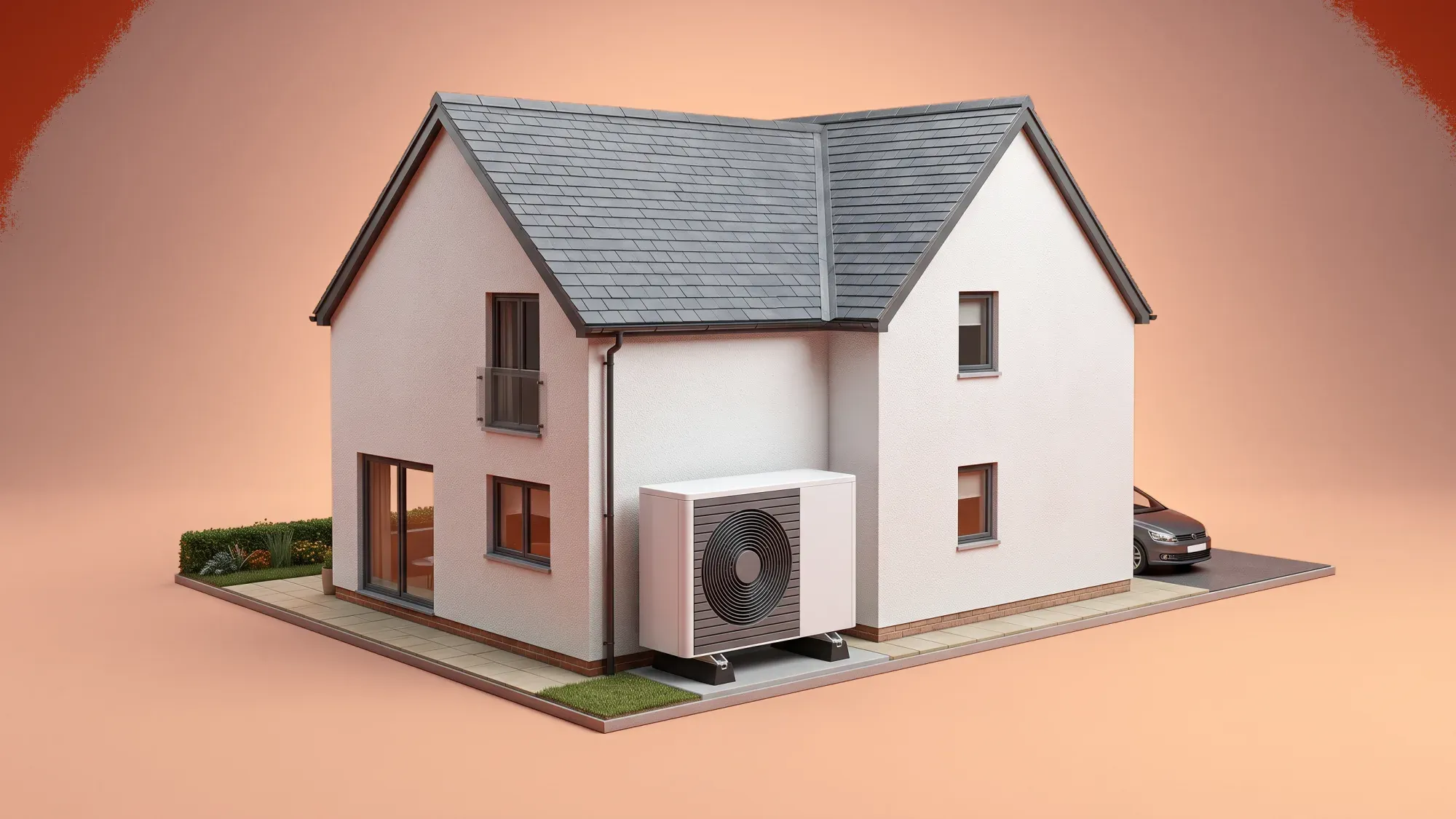
Considering a heat pump for your Shropshire home means looking at solutions that fit the county's unique blend of rural properties and market towns. Many homes across Shropshire, especially those nestled in its picturesque countryside, are not connected to the gas grid, making efficient electric heating options like heat pumps a practical choice for reducing both carbon emissions and running costs. This guide covers everything Shropshire homeowners need to know about heat pumps, from how they work to local grants and energy infrastructure.
Understanding heat pumps for Shropshire homes
Heat pumps offer a low-carbon way to heat your home, drawing warmth from the environment rather than burning fossil fuels. They are a significant step towards a more sustainable and potentially more affordable heating system, particularly relevant for the diverse housing stock found across Shropshire.
Shropshire's unique landscape and housing
Shropshire's landscape, from the rolling hills of Church Stretton to the flat plains around Market Drayton and the historic towns like Shrewsbury and Oswestry, features a wide variety of housing. Many properties, particularly older, detached homes or those in villages such as Clun or Bishop's Castle, are off the main gas network. For these homes, heat pumps, whether air source or ground source, can replace less efficient oil, LPG, or electric storage heaters, providing a cleaner and often cheaper alternative. The inland climate of Shropshire, with its distinct seasons, means a well-sized heat pump can maintain comfortable indoor temperatures year-round, even during colder winters.
How heat pumps work
Heat pumps operate much like a refrigerator in reverse. Instead of expelling heat from inside, they extract low-grade heat from the air or ground outside your home and transfer it indoors to warm your radiators, underfloor heating, and hot water. Even on cold days, there's enough latent heat in the environment for a modern heat pump to operate effectively. The system uses electricity to run a compressor, which increases the temperature of the extracted heat to a usable level for your home.
Benefits of heat pumps in Shropshire
Switching to a heat pump can bring several advantages for homeowners in Shropshire, aligning with both environmental goals and practical household economics.
Lower running costs and carbon emissions
For many Shropshire homes, especially those currently relying on oil, LPG, or older electric heating systems, a heat pump can significantly reduce heating bills. While the initial installation cost can be higher than a traditional boiler, the operational efficiency of heat pumps means lower running costs over their lifespan. They also drastically cut your home's carbon footprint, contributing to cleaner air and a more sustainable future for Shropshire.
Enhanced comfort and property value
Heat pumps provide consistent, comfortable heating, avoiding the peaks and troughs often associated with other heating methods. This steady warmth can improve the overall living experience in your home. Furthermore, installing a modern, energy-efficient heating system like a heat pump can increase your property's appeal and value, particularly as energy efficiency becomes an increasingly important factor for homebuyers. If you're wondering if heat pumps are a worthwhile investment, you can analyse the long-term benefits and costs involved here.
Types of heat pumps for Shropshire properties
The two main types of heat pumps suitable for Shropshire properties are air source and ground source, each with different installation requirements and efficiencies.
Air source heat pumps
Air source heat pumps are typically easier and less disruptive to install than ground source systems. They extract heat from the outside air, even when temperatures drop below freezing. An air source heat pump installation in Shropshire usually involves an outdoor unit, similar to an air conditioning unit, which can be placed discreetly around your property. They are a popular choice for many homes due to their relative simplicity and lower upfront cost compared to ground source systems. You can learn more about how they work here.
Ground source heat pumps
Ground source heat pumps harness heat from the earth, using a network of pipes buried in your garden or beneath your property. This method offers very stable and efficient heating because ground temperatures remain more constant throughout the year than air temperatures. However, ground source heat pump installations, whether in Ellesmere, Market Drayton, or Church Stretton, require sufficient outdoor space for the ground loops, making them more suitable for properties with larger gardens or land. While the initial outlay is higher, their consistent efficiency can lead to greater long-term savings.
Grants and funding for Shropshire heat pump installation
Financial support is available to help Shropshire residents make the switch to a heat pump, significantly reducing the upfront cost.
The Boiler Upgrade Scheme
The Boiler Upgrade Scheme (BUS) is a government initiative designed to encourage homeowners in England and Wales to install low-carbon heating systems. Homeowners in Shropshire could be eligible for a £7,500 grant1 towards the cost of installing an air source or ground source heat pump. The grant is a fixed amount, regardless of the system type, and is administered by Ofgem2. Your chosen MCS-certified installer will apply for the grant on your behalf3, and the amount will be deducted from your total installation cost.
What is the BUS?
The BUS provides a £7,500 grant to homeowners in England and Wales to help cover the cost of installing an air source or ground source heat pump. It aims to encourage the adoption of low-carbon heating systems and is administered by Ofgem. Your installer will apply for the grant, and the amount is deducted from your bill.
Finding MCS-certified installers
To qualify for the BUS grant, your heat pump must be installed by an MCS-certified installer. MCS certification ensures that installers meet high standards of quality and competence for renewable energy technologies. When looking for a heat pump installer in Shropshire, always verify their MCS certification. This not only ensures eligibility for grants but also gives you confidence in the quality and safety of your air source heat pump installation or ground source heat pump project, whether you're in Telford, Shrewsbury, or Oswestry.
Local energy infrastructure in Shropshire
Understanding how your local energy infrastructure operates is crucial for any homeowner considering a heat pump, as it impacts both the cost and reliability of your system.
West Midlands price cap region
Shropshire falls within the 'West Midlands' electricity distribution region for Ofgem's energy price cap. This means the unit rates and daily standing charges for electricity in Shropshire are set according to this regional cap, which is updated quarterly. While the overall price cap is a national mechanism, regional variations exist, so understanding your specific region helps you anticipate and manage your heat pump's running costs.
Your distribution network operator (DNO)
For Shropshire residents, your local Distribution Network Operator (DNO) is responsible for maintaining the electricity network in your area, including power lines, substations, and resolving power cuts. DNOs are regional, so the specific operator can vary within Shropshire. If you experience a power cut, you should dial the free national number 105, which will route you directly to your local DNO. You can also find Your DNO by postcode using the Energy Networks Association's 'Find my network operator' tool. Knowing Your DNO is important for understanding who manages the physical infrastructure delivering electricity to your heat pump.
How to find Your DNO?
Your DNO is responsible for the local electricity network, including power lines and substations. If you experience a power cut, Shropshire residents should dial the free national number 105 to report it. You can also use the Energy Networks Association's 'Find my network operator' tool to identify your specific DNO by postcode.
Choosing the right heat pump installer in Shropshire
Selecting the right heat pump installer is a critical step in ensuring your system performs optimally and efficiently. A good installer will guide you through the process, from initial assessment to final commissioning.
Key questions to ask
When you're looking for an air source heat pump installer in Shropshire or a specialist for ground source heat pumps in areas like Ludlow or Bridgnorth, ask potential installers:
- Are you MCS-certified? (Essential for grant eligibility)
- What experience do you have with properties similar to mine in Shropshire?
- Can you provide references from previous customers in the local area?
- How will you size the heat pump for my property, and what insulation recommendations do you have? (Correct sizing and insulation are vital for efficiency).
- What aftercare and maintenance services do you offer?
- Can you assist with the BUS application?
Obtaining multiple quotes from various heat pump installers in Shropshire, including those serving Dawley, Newport, and Whitchurch, will help you compare costs, services, and expertise.
Ensuring MCS certification
As mentioned, MCS certification is not just a badge; it's a mandatory requirement for homeowners to qualify for the BUS. Always ask for proof of MCS certification and check the MCS website to confirm the installer's accreditation. This step protects your investment and ensures your installation meets industry standards, giving you peace of mind whether you're getting an air source heat pump installer in Shropshire near me or a ground source heat pump specialist in Cleobury Mortimer.
Maximising your heat pump's efficiency with smart energy
Once your heat pump is installed, there are further steps you can take to optimise its performance and running costs, particularly through smart energy management.
Pairing with smart tariffs
Heat pumps run on electricity, and the cost of electricity can vary significantly throughout the day, especially with smart tariffs. By pairing your heat pump with a smart energy tariff, you can program your system to operate more during off-peak hours when electricity is cheaper and often more abundant. This "power play" allows you to take control of your energy consumption, making your heat pump even more cost-effective. Energy suppliers like Fuse offer smart tariffs and apps that provide the capability for homeowners to manage their heat pump's energy usage efficiently, turning energy into a strategic advantage. Fuse also offers 24/7 human customer support to assist homeowners in navigating their energy usage, including optimising for new technologies like heat pumps.
The future of home heating
Heat pumps represent a significant step towards a future with more abundant and sustainable energy. For Shropshire homeowners, embracing this technology, combined with smart energy management, means not only reducing your environmental impact but also gaining greater control over your home's energy costs. The journey towards a low-carbon home is ongoing, and a heat pump, supported by grants and smart tariffs, is a powerful move in that direction.
References
- UK Government. Boiler Upgrade Scheme: What you can get
- Ofgem. Boiler Upgrade Scheme (BUS)
- UK Government. Apply for the Boiler Upgrade Scheme
Disclaimer
For the avoidance of doubt, this article is provided for informational purposes only and is not intended to constitute legal or financial advice. The author and/or Fuse Energy shall not be responsible for any losses arising out of any reliance on the information contained herein.