Heat pump Rochdale: efficient home heating
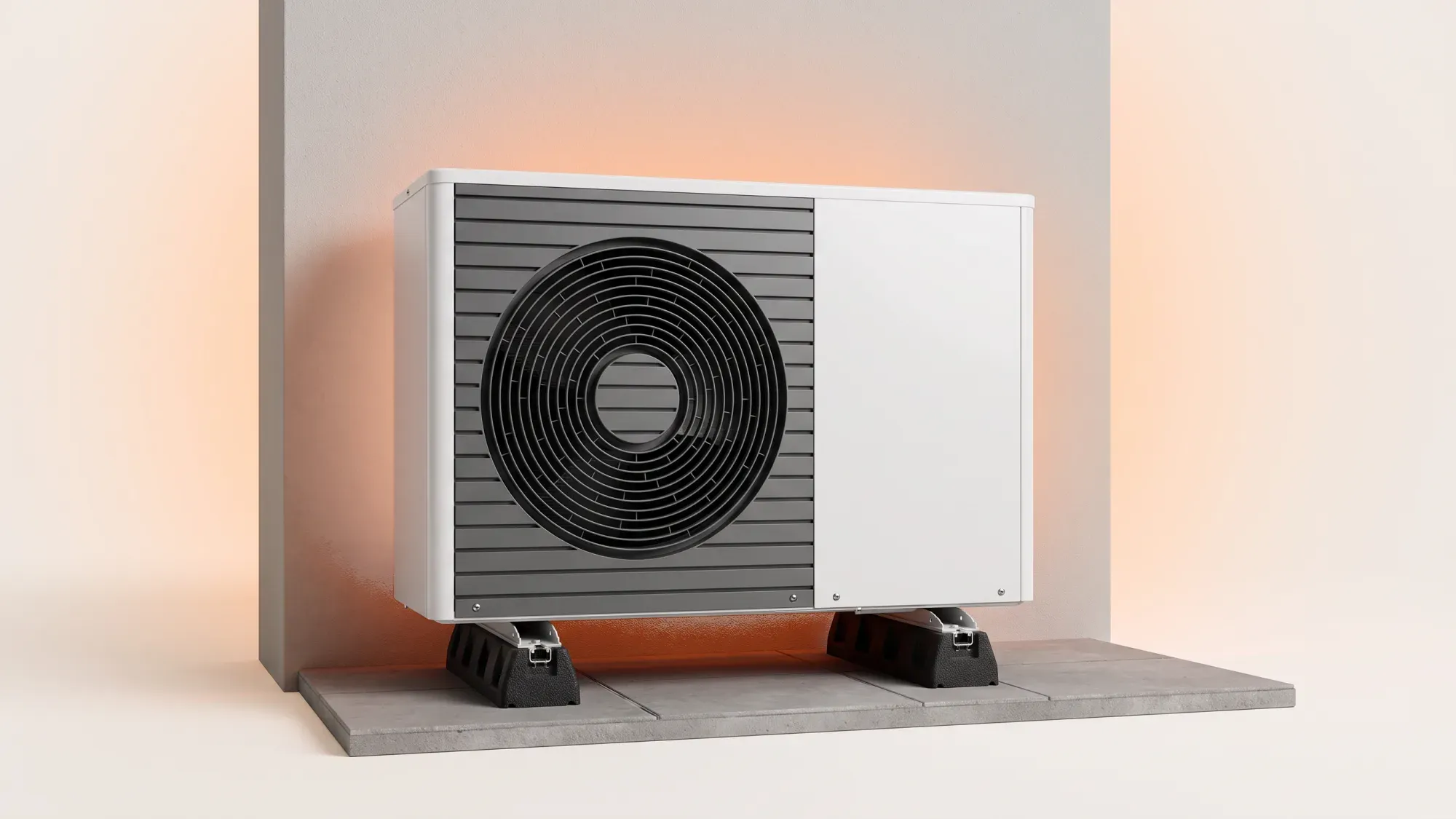
Rochdale, a town with a rich industrial past nestled in the foothills of the Pennines, features a diverse housing stock. For homeowners in this North West England borough, upgrading to a heat pump offers a significant opportunity to move towards more efficient, lower-carbon home heating, even with the area's often chilly winters.
Heat pumps are gaining traction as a viable alternative to conventional boilers, providing an efficient way to heat homes while reducing environmental impact. For Rochdale residents, understanding how these systems integrate with local conditions is key.
Heat pumps in Rochdale: a local perspective
Why Rochdale homes are ideal for heat pumps
Modern heat pumps are highly effective, even in colder climates like North West England, provided they are correctly sized and installed in well-insulated properties. This makes them a suitable option for many homes in Rochdale, from older, well-maintained properties to newer builds. The shift away from fossil fuels also aligns with broader environmental goals, offering a sustainable heating solution for the future.
Understanding Rochdale's energy landscape
Rochdale is located within the North West England electricity distribution region. This regional classification is important because Ofgem, the energy regulator, sets different unit rates and daily standing charges for electricity across 14 regions in Great Britain, influencing local energy costs under the price cap.
The local Distribution Network Operator (DNO) for Rochdale is Electricity North West. This company is responsible for maintaining the power lines and cables that deliver electricity to homes in the area. If you experience a power cut in Rochdale, you can contact Electricity North West directly or dial the free national number 105, which will route your call to them.
How heat pumps work and their benefits
Heat pumps operate on a simple, yet highly efficient, principle: they move heat rather than generating it directly from fuel.
Demystifying air source heat pumps
Air source heat pumps extract heat from the outside air, even when temperatures are low, and transfer it into your home to provide heating and hot water. This process is similar to how a refrigerator works, but in reverse. The system uses a refrigerant to absorb heat from the air, which is then compressed to increase its temperature, and finally released into your home's heating system. You can learn more about how these systems work in our air source heat pump guide.
Efficiency in colder climates
A common concern for homeowners in northern areas like Rochdale is whether heat pumps can perform effectively during winter. Modern heat pumps are designed to operate efficiently even in cold northern winters, provided they are correctly sized for the property and paired with good insulation. They can maintain comfortable indoor temperatures well below freezing, making them a reliable heating solution year-round. Air source heat pumps can achieve efficiencies of 300% or more, producing around 3 kWh or more of heat for every 1 kWh of electricity used.1 This is because they move existing heat from the outside air rather than burning fuel.
Environmental and financial advantages
Switching to a heat pump can significantly reduce your home's carbon footprint by decreasing reliance on fossil fuels. Environmentally, this contributes to cleaner air and helps combat climate change. Financially, while the upfront cost can be higher than a traditional boiler, heat pumps can lead to long-term savings on energy bills due to their high efficiency.
Navigating the Boiler Upgrade Scheme (BUS)
The UK government offers financial incentives to encourage homeowners to adopt low-carbon heating technologies.
Eligibility and application process
The Boiler Upgrade Scheme (BUS) provides a grant of £7,500 towards the installation of an air source or ground source heat pump in England and Wales. From 21 July 2026, households currently on heating oil or LPG can claim an uplifted grant of £9,000, a temporary increase until 31 March 2027.
To be eligible, you must own the property, which can be a home, a second home, or a property you rent out. The scheme aims to replace existing fossil fuel heating systems, such as gas, oil, LPG, or electric storage heaters. Your property will also need a valid Energy Performance Certificate (EPC) that does not contain outstanding recommendations for loft or cavity wall insulation. If such recommendations exist, they typically need to be addressed before applying.
The application process is installer-led. Your MCS-certified installer will apply for the grant on your behalf and deduct it from the total installation cost. Ofgem will then contact you to confirm your consent for the installer to proceed.
The role of MCS certification
MCS (Microgeneration Certification Scheme) certification is a crucial requirement for both installers and products within the renewable energy sector. For homeowners in Rochdale, choosing an MCS-certified installer is mandatory to access the BUS grant. This certification ensures that the installer meets rigorous standards for technical competence, quality of workmanship, and safety, and that the heat pump itself meets industry standards for efficiency and reliability.
Why is MCS certification important for heat pump installation?
MCS certification ensures that your heat pump installer meets high standards for technical competence and quality. Crucially, it's a mandatory requirement for homeowners in England and Wales to qualify for government grants like the BUS, helping you reduce the upfront cost of your installation.
Is a heat pump right for your Rochdale home?
Deciding if a heat pump is suitable for your property involves considering several factors specific to your home.
Suitability for older properties
Many homes in Rochdale, particularly older Victorian and Edwardian properties, were originally designed for higher-temperature heating systems like traditional boilers. While heat pumps can be installed in older homes, it's essential to assess their suitability carefully. This often involves ensuring the property is adequately insulated and that the existing radiators are appropriately sized for the lower flow temperatures of a heat pump system. Our guide on air source heat pumps pros and cons offers more insights.
Insulation and radiator considerations
For a heat pump to operate at its peak efficiency, your home needs to retain heat effectively. This means good insulation is paramount. Loft insulation, cavity wall insulation, and double glazing can significantly reduce heat loss, making a heat pump a more viable and cost-effective option. In some cases, existing radiators may need to be upgraded to larger ones to effectively distribute heat at lower flow temperatures, ensuring your home remains comfortable.
Choosing a heat pump installer in Rochdale
Selecting the right installer is a critical step in ensuring a successful heat pump installation.
Finding MCS-certified professionals
When looking for a heat pump installer in Rochdale, always prioritise those who are MCS-certified. You can typically find a list of certified installers through the MCS website. This accreditation guarantees that the company adheres to industry best practices and that their installations are eligible for government incentives.
Questions to ask potential installers
Before committing to an installer, ask detailed questions about their experience with properties similar to yours, especially if you live in an older Rochdale home. Inquire about their process for assessing your home's insulation and heating requirements, and how they will size the heat pump system to ensure optimal performance. Always request a detailed quote that clearly outlines all costs, including the deduction of any applicable grants. Understanding the air source heat pump cost is crucial for budgeting.
The heat pump installation journey
Understanding the typical steps involved can help you prepare for your heat pump installation.
From survey to switch-on
The process usually begins with a comprehensive home survey by an MCS-certified installer. They will assess your property's heat loss, insulation levels, and existing heating system to design the most suitable heat pump solution. Once the design is approved and grants are secured, the installation typically involves fitting the outdoor unit, connecting it to your indoor heating system, and installing a new hot water cylinder if required. The system is then commissioned and tested to ensure it's operating correctly.
Aftercare and maintenance
After installation, your heat pump will require periodic maintenance to ensure its continued efficiency and longevity. This usually involves annual servicing, similar to a traditional boiler, to check components, clean filters, and ensure the system is running optimally. Your installer should provide guidance on routine checks you can perform yourself, as well as offer ongoing support and servicing plans.
References
- Simple Green Energy. Air Source Heat Pump Efficiency in the UK (2026)
Disclaimer
For the avoidance of doubt, this article is provided for informational purposes only and is not intended to constitute legal or financial advice. The author and/or Fuse Energy shall not be responsible for any losses arising out of any reliance on the information contained herein.