Heat pumps for Plymouth homes
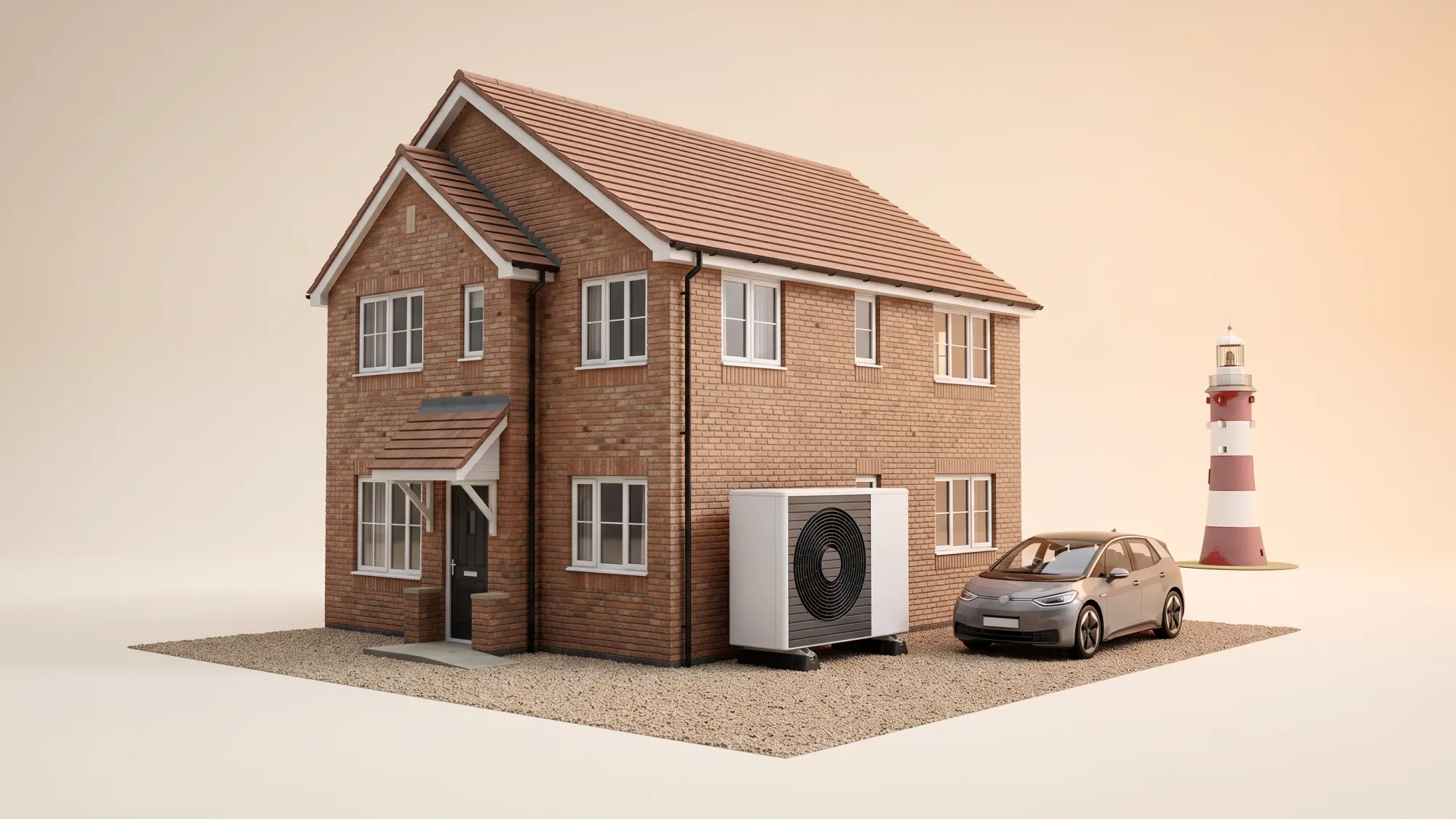
Plymouth, with its rich maritime history and diverse housing stock, offers unique opportunities for homeowners considering heat pumps. The city's coastal location in South West England means a milder climate compared to inland areas, which can influence heating demands and the optimal sizing of a heat pump system. Making an informed decision about upgrading your heating requires understanding local factors, from energy infrastructure to available grants.
Why consider a heat pump in Plymouth?
Heat pumps offer an energy-efficient alternative to traditional heating systems, reducing reliance on fossil fuels and lowering carbon emissions. For Plymouth homeowners, embracing this technology can lead to significant long-term savings and a more sustainable home.
Plymouth's climate and housing stock
Plymouth's maritime climate generally means less extreme cold than other parts of the UK, which can be favourable for heat pump performance. Air source heat pumps can achieve efficiencies of 300% or more, meaning they produce three times more energy than they consume, even in colder temperatures. Modern heat pumps are designed to maintain a high seasonal coefficient of performance (SCOP) across a typical UK winter when correctly sized and installed with adequate insulation.
The city's varied housing stock, from older, solid-wall properties to newer, well-insulated homes, means that while most UK homes are technically suitable for a heat pump, some may require insulation upgrades to maximise efficiency. Older properties, including Victorian terraces, can successfully integrate heat pumps, though a thorough assessment is crucial to ensure optimal performance.
Benefits for Plymouth homeowners
Installing a heat pump can significantly reduce your home's carbon footprint, aligning with broader environmental goals. Beyond the environmental benefits, heat pumps can lead to lower energy bills, especially when replacing older, inefficient fossil fuel systems. They also offer consistent, comfortable heating and, in the case of air source models, can provide cooling in warmer months. If you are wondering if are heat pumps worth it, consider these long-term advantages.
Understanding heat pump types for Plymouth properties
Choosing the right heat pump depends on your property's specific characteristics, available space, and budget.
Air source heat pumps
Air source heat pumps (ASHPs) extract heat from the outside air, even when temperatures are low, and use it to warm your home and hot water. They are generally easier and less disruptive to install than ground source systems, making them a popular choice for many existing homes in Plymouth. ASHPs typically consist of an outdoor unit, similar to an air conditioning unit, and an indoor unit that distributes the heat.
Ground source heat pumps
Ground source heat pumps (GSHPs) draw heat from the ground via a network of buried pipes. This option requires more land for the ground loop installation, making it more suitable for properties with larger gardens or new builds where the groundwork can be integrated into the construction. While the initial installation cost can be higher, GSHPs often offer slightly greater efficiency due to the more stable temperature of the ground compared to the air.
Choosing the right system for your home
The best way to determine the most suitable heat pump for your Plymouth home is to have a professional heat loss survey. This assessment will consider your property's size, insulation levels, existing heating system, and hot water demands to recommend a system that meets your needs efficiently.
Grants and funding for heat pumps in Plymouth
Financial support is available to help Plymouth residents make the switch to a heat pump, significantly reducing the upfront cost.
The Boiler Upgrade Scheme
The Boiler Upgrade Scheme (BUS) is a government initiative designed to incentivise the adoption of low-carbon heating technologies like heat pumps in England and Wales.1 The scheme offers a £7,500 grant towards the installation of air source or ground source heat pumps. To qualify, your property must be in England or Wales, and you must be replacing an existing fossil fuel heating system, such as an oil or gas boiler, or an electric heating system without a heat pump. Crucially, the installation must be carried out by an MCS-certified installer to be eligible for the grant.2
What is the BUS grant amount?
The BUS provides a grant of £7,500 towards the cost and installation of an air source or ground source heat pump. This scheme is available to homeowners and small business owners in England and Wales who are replacing an existing fossil fuel heating system with a low-carbon alternative.
Other potential financial support
While the BUS is the primary grant for heat pump installations, it is worth exploring other potential avenues. Some local authorities or energy companies may offer additional schemes or financing options for energy efficiency upgrades. Always check with your chosen MCS-certified installer, as they often have up-to-date information on available funding.
Local considerations: energy infrastructure in Plymouth
Understanding Plymouth's local energy infrastructure is key to appreciating how a heat pump will operate and impact your energy bills.
South West England price cap region
Plymouth is located within the South West England electricity distribution region. This means the local unit rates and daily standing charges for electricity are determined by Ofgem's price cap for this specific region, which is updated quarterly.3 Rates vary by region because gas and electricity distribution costs differ across the country.
Finding your distribution network operator
The Distribution Network Operator (DNO) is responsible for maintaining the physical network of cables, substations, and meters that deliver electricity from the National Grid to your home. You can find your local DNO by entering your postcode on the Energy Networks Association's "Who's my network operator?" tool. In the event of a power cut, Plymouth residents should dial the free national number 105, which will automatically connect them to their local DNO. While energy suppliers sell you the electricity, the DNO ensures its reliable delivery.
Choosing an installer and the installation process
The success and efficiency of your heat pump system largely depend on proper design and installation.
Finding MCS-certified installers in Plymouth
To ensure eligibility for government grants like the BUS, it is mandatory to use an MCS-certified installer. MCS (Microgeneration Certification Scheme) certification is a quality assurance standard for renewable energy technologies and installers. Searching for MCS-certified installers operating in the Plymouth area will provide you with a list of reputable professionals who can design and install your system to the required standards. Many local heating companies in Devon and Cornwall are MCS-certified and serve the Plymouth area.
What to expect during installation
The installation process typically begins with a detailed home assessment and heat loss calculation to correctly size the heat pump. Once the system is designed, the installer will provide a quote covering equipment, labour, and any necessary upgrades to your existing heating system, such as radiators or pipework. The installation itself involves placing the outdoor unit (for ASHPs) or laying ground loops (for GSHPs), connecting the system to your home's heating and hot water, and integrating it with your electrical supply.
Optimising your heat pump for efficiency
For a heat pump to perform at its best, adequate home insulation is crucial. This includes loft insulation, cavity wall insulation, and potentially upgrading windows and doors. A well-insulated home retains heat more effectively, allowing the heat pump to operate efficiently and reduce running costs. Regular servicing and understanding how to operate your new system will also maximise its longevity and performance.
Fuse Energy is committed to making home energy simple and transparent. Our 24/7 human customer support is available to help homeowners manage their energy, offering peace of mind as you transition to electric heating. We believe in empowering you with clear information and support every step of the way. Find out more about our mission to make energy abundant by clicking here. Ready to take control of your home's energy?
References
- UK Government. Boiler Upgrade Scheme (BUS)
- Ofgem. Boiler Upgrade Scheme (BUS) - Installers
- Ofgem. Energy price cap rates by region
Disclaimer
For the avoidance of doubt, this article is provided for informational purposes only and is not intended to constitute legal or financial advice. The author and/or Fuse Energy shall not be responsible for any losses arising out of any reliance on the information contained herein.