Heat pumps in Northamptonshire
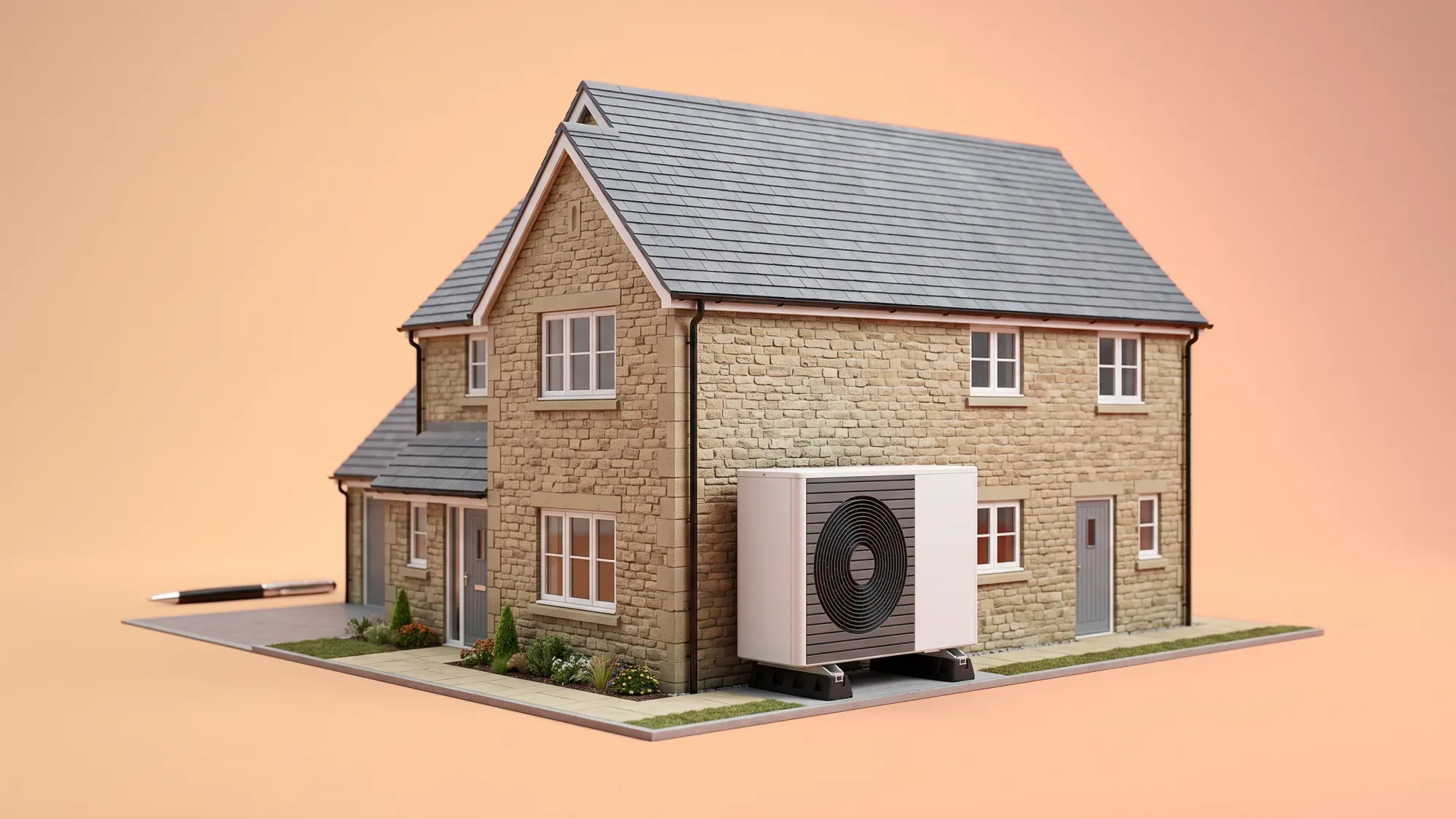
Installing a heat pump in Northamptonshire means choosing a heating system that works efficiently with the county's distinct inland climate and diverse housing stock. From historic stone properties in market towns to many off-gas-grid rural homes, understanding local factors is key to a successful installation and maximising your savings. This guide aims to demystify heat pumps and contextualise every aspect for homeowners in Northamptonshire.
Why consider a heat pump for your Northamptonshire home?
Heat pumps offer an energy-efficient alternative to traditional boilers, drawing heat from the air or ground to warm your home and provide hot water. This technology is particularly well-suited to the UK climate, including Northamptonshire's seasonal variations.
Understanding Northamptonshire's unique context
Northamptonshire, nestled in the heart of England, experiences a typical inland climate with distinct seasonal temperature changes. Its diverse housing stock ranges from Victorian terraces in Northampton to historic properties in market towns like Oundle and Brackley, alongside a significant number of rural homes that are not connected to the gas grid. This variety means that while heat pumps are a viable option for many, careful consideration of property type, insulation levels, and local energy infrastructure is essential.
Environmental and financial benefits
Switching to a heat pump can significantly reduce your home's carbon emissions, contributing to a cleaner environment. Beyond the environmental impact, heat pumps offer substantial financial benefits. They are highly efficient, often producing 300% or more heat energy than the electrical energy they consume, meaning around 3 kWh or more of heat for every 1 kWh of electricity used.1 This efficiency translates directly into lower running costs compared to traditional fossil fuel systems, especially when paired with good insulation. This high efficiency remains consistent across a typical UK winter when the system is correctly sized and the property is well-insulated. If you're wondering are heat pumps worth it, their long-term savings are a key factor.
How heat pumps work
Heat pumps operate by extracting low-grade heat from the environment (either the air or the ground) and upgrading it to a higher temperature to heat your home and water. Even on cold days, the air or ground contains enough thermal energy for the heat pump to function effectively. A refrigerant fluid absorbs this heat, then a compressor increases its temperature and pressure. This heated fluid then transfers its energy to your home's heating system. The process is highly efficient, and modern heat pumps are designed to work effectively even when outside temperatures drop to -15°C or lower, making them suitable for British winters. You can learn more about how an air source heat pump functions in detail.
Heat pump costs and grants in Northamptonshire
Understanding the financial aspects of heat pump installation is a primary concern for many homeowners. While the upfront heat pump cost can be higher than a traditional boiler, significant government grants and long-term savings make them an attractive investment.
Typical installation costs
The cost of installing a heat pump in Northamptonshire varies depending on factors such as the type of heat pump (air source or ground source), the size of your property, its existing heating system, and the complexity of the installation. This typically includes the unit itself, installation labour, and any necessary upgrades to your heating distribution system, such as radiators or underfloor heating. For a deeper dive into the financial outlay, consider researching air source heat pump cost.
What is the BUS?
The Boiler Upgrade Scheme (BUS) is a government initiative offering grants to homeowners in England and Wales to help cover the cost of installing low-carbon heating systems like heat pumps. It provides £7,500 for air source and ground source heat pumps, with a temporary uplift to £9,000 for eligible off-gas grid properties.
The Boiler Upgrade Scheme explained
The UK Government's BUS provides a substantial grant to help homeowners in England and Wales2 transition to low-carbon heating systems. For air source and ground source heat pumps, the BUS offers a grant of £7,500.3 This funding significantly reduces the upfront cost of installation.
Crucially, from 21 July 2026 until 31 March 2027, eligible off-gas grid properties that rely on heating oil or LPG can receive an increased grant of £9,000 for air source or ground source heat pumps.4 This uplift is particularly relevant for many rural homes in Northamptonshire. To qualify for the BUS grant, your heat pump installation must be carried out by an MCS-certified installer. The scheme is administered by Ofgem.
Running costs and potential savings
While electricity powers heat pumps, their high efficiency means they use less energy to produce more heat. This can lead to lower running costs compared to fossil fuel boilers, especially as electricity tariffs become more competitive and potentially paired with smart tariffs or solar PV. The exact savings will depend on your property's insulation, your energy usage habits, and the specific electricity tariff you are on.
Local installation considerations for Northamptonshire properties
Northamptonshire's unique characteristics mean that local considerations play a vital role in ensuring your heat pump system performs optimally.
Suitability for diverse housing stock
Northamptonshire boasts a diverse range of properties, from older, less insulated homes to modern new builds. Heat pumps are suitable for many of these, but proper sizing and design are paramount. For older or historic properties, improving insulation levels before installation is often recommended to maximise efficiency and ensure comfort. New build homes, which typically have lower heat loss, are often ideal candidates for heat pump systems.
Importance of insulation
Regardless of your property's age or type, adequate insulation is critical for any heat pump system. A well-insulated home retains heat more effectively, allowing the heat pump to operate at lower flow temperatures and higher efficiencies. This not only reduces running costs but also ensures your home remains comfortably warm throughout the year. An MCS-certified installer will assess your property's insulation as part of their survey.
Northamptonshire's energy infrastructure
Understanding your local energy infrastructure is important. Your Distribution Network Operator (DNO) is responsible for delivering electricity to your property through power lines and underground cables, maintaining the local grid, and managing power cuts. If you experience a power cut, you can dial the free national number 105, which will connect you directly to your local DNO. You can also find your network operator by entering your postcode into the Energy Networks Association's online tool.
Choosing an MCS-certified heat pump installer in Northamptonshire
Selecting the right installer is crucial for a successful heat pump installation, ensuring both quality and eligibility for grants.
What to look for in an installer
When choosing a heat pump installer in Northamptonshire, look for a company with a strong local reputation, transparent pricing, and a clear understanding of your property's specific needs. They should conduct a thorough property assessment, including heat loss calculations, to recommend the correct heat pump size and type. An installer should also be able to explain the installation process, potential disruption, and how to operate your new system.
The importance of MCS certification
MCS (Microgeneration Certification Scheme) certification is not just a badge of honour; it's a critical requirement. Without an MCS-certified installer, your heat pump installation will not be eligible for the BUS grant. MCS certification ensures that installers meet rigorous quality standards for design, installation, and commissioning of renewable energy technologies. It provides assurance that your system will perform reliably and safely.
Getting multiple quotes
Always obtain detailed quotes from several MCS-certified installers. This allows you to compare costs, proposed systems, and warranties. A comprehensive quote should itemise all costs, including the heat pump unit, installation, any necessary upgrades, and the expected grant deduction. Don't hesitate to ask questions and ensure you fully understand each proposal before making a decision.
Living with a heat pump: maintenance and optimisation
Once your heat pump is installed, a little attention to maintenance and operation will ensure it continues to provide efficient, comfortable heating for years to come.
Routine maintenance for longevity
Heat pumps generally require less maintenance than traditional boilers. However, routine checks are still important. This typically involves annual servicing by a qualified technician to ensure all components are functioning correctly and efficiently. Simple tasks you can do yourself include keeping the outdoor unit clear of debris, leaves, and snow, and checking air filters regularly.
Maximising your system's efficiency
To get the most out of your heat pump, consider these tips:
- Set it and forget it: Heat pumps work best when left to run consistently at a lower temperature rather than being turned on and off frequently.
- Optimise controls: Use your system's smart controls to schedule heating periods and temperatures that suit your lifestyle.
- Insulation matters: Continue to improve your home's insulation where possible, as this directly impacts your heat pump's efficiency.
- Underfloor heating/larger radiators: Heat pumps often work most efficiently with underfloor heating or larger radiators designed for lower flow temperatures.
Understanding your heat pump's operation
Familiarise yourself with your heat pump's controls and how it interacts with your home's heating system. Understanding its Seasonal Coefficient of Performance (SCOP) will give you a clear picture of its efficiency over the year. Most modern heat pumps are designed to be user-friendly, providing you with control over your home's energy consumption and costs.
Your next steps towards a heat pump in Northamptonshire
Making the switch to a heat pump is a significant decision, but with the right information and support, it can be a rewarding one for your Northamptonshire home.
Initial research and property assessment
Start by researching heat pump technology further and assessing your property's current insulation. Consider what type of heat pump (air source or ground source) might be most suitable for your home and outdoor space. Think about your current energy usage and what you hope to achieve with a new heating system.
Connecting with local experts
Seek out MCS-certified heat pump installers operating in Northamptonshire. Engage with them to get detailed property assessments and multiple quotes. These local experts can provide tailored advice based on their experience with properties in the region, helping you navigate the specifics of your home's suitability and installation requirements.
Making an informed decision
Armed with knowledge about heat pump benefits, costs, available grants like the BUS, and local considerations, you can make an informed decision. Choosing a heat pump is a power play for your home's energy future, putting you in control of your heating, costs, and environmental impact.
References
- Simple Green Energy. Air Source Heat Pump Efficiency in the UK (2026)
- UK Government. Apply for the Boiler Upgrade Scheme
- Ofgem. Boiler Upgrade Scheme (BUS)
- UK Government. Thousands of homes will be eligible for £9,000 off a heat pump
Disclaimer
For the avoidance of doubt, this article is provided for informational purposes only and is not intended to constitute legal or financial advice. The author and/or Fuse Energy shall not be responsible for any losses arising out of any reliance on the information contained herein.