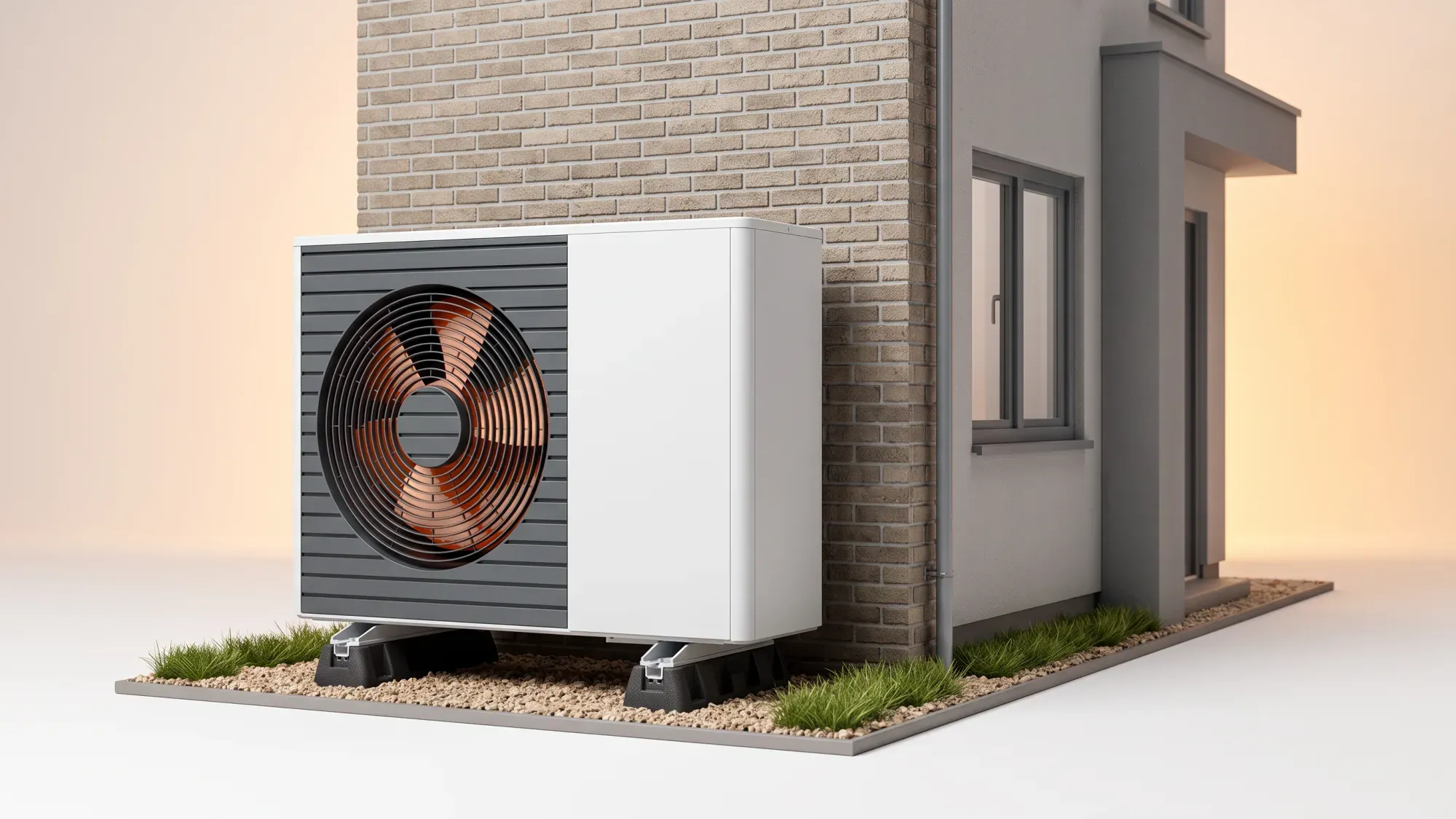
From the rugged beauty of the Northumberland coast to the bustling urban centres of Newcastle and Sunderland, and the quiet, off-gas-grid villages nestled in County Durham, the North East of England boasts a unique character. Its varied housing stock - from sturdy Victorian terraces to modern new-builds and traditional rural homes - combined with its distinct climate, means homeowners here need heating solutions that are robust, efficient, and genuinely suited to local conditions. For those seeking to upgrade their home heating, embracing a heat pump isn't just an environmental choice; it's a strategic move to gain more control over your energy, reduce bills, and future-proof your property, offering a true 'power to play with' in your own North East home.
Why consider a heat pump in the North East?
The North East's unique heating challenges
The North East presents a diverse landscape for home heating, from exposed coastal properties facing harsh winds to older, solid-wall homes in urban areas. This region's distinct climate and varied housing stock demand heating systems that can adapt and perform reliably. Traditional fossil fuel boilers, while common, often come with fluctuating fuel costs and contribute to carbon emissions.
Environmental and financial benefits for local homes
Switching to a heat pump offers significant advantages for North East homeowners. These systems extract heat from the air or ground, providing an efficient and sustainable alternative to gas, oil, or electric heating. This not only reduces your home's carbon footprint but can also lead to lower running costs, especially as energy prices continue to be a concern. Heat pumps offer a predictable and controllable heating solution, aligning with a desire for greater energy independence. Many homeowners find that exploring the pros and cons of air source heat pumps helps them make an informed decision.
Heat pump performance in North East climates
Dispelling cold weather myths
A common misconception is that heat pumps struggle in colder climates. Modern heat pumps are engineered to operate efficiently even in freezing temperatures, making them well-suited for the North East's winters. Units are designed to run effectively well below freezing, ensuring your home stays warm when you need it most.
Importance of correct sizing and insulation
The key to optimal heat pump performance in any climate, particularly the North East, lies in correct sizing and adequate home insulation. A system that is too small will struggle to heat your home, while one that is too large will cycle inefficiently. Good insulation - including loft, wall, and floor insulation, along with efficient windows - minimises heat loss, allowing the heat pump to work less and maintain comfortable temperatures more economically. This ensures the system runs at its peak efficiency, delivering consistent warmth without excessive energy consumption. Understanding the overall air source heat pump cost involves considering these factors.
How do heat pumps perform in colder North East weather?
Modern heat pumps are designed to operate efficiently even when temperatures drop significantly below freezing. When correctly sized for your North East home and paired with good insulation, they can reliably provide warmth throughout the colder months, dispelling the myth that they are unsuitable for northern climates.
Suitability for varied North East housing stock
The North East's housing stock ranges from historic stone cottages to modern new-builds. Heat pumps can be integrated into almost any home type, though the specific installation and system design will vary. Older properties may require insulation upgrades to maximise efficiency, while new-builds are often designed to be heat pump-ready. Air source heat pumps are generally easier to install as they only require an outdoor unit, making them suitable for most properties. Ground source heat pumps, while more complex to install due to the need for ground loops, offer even greater efficiency and stability.
Local energy landscape: DNO and power cuts
Understanding your local distribution network operator's role
In the North East, the local Distribution Network Operator (DNO) is Northern Powergrid, responsible for maintaining the electricity cables and power lines that bring electricity to your home. If you experience a power cut, you would dial the free national number 105, which routes directly to your local DNO. This service connects you to the company that owns the network and restores supply, not to your energy supplier. You can find your specific network operator by postcode using the Energy Networks Association (ENA) "Find my network operator" tool.
Grants and funding for North East heat pump installation
The Boiler Upgrade Scheme
For homeowners in England and Wales, the Boiler Upgrade Scheme (BUS) provides a substantial grant towards the installation of a new air source or ground source heat pump. This scheme offers £7,500 to help offset the upfront cost, making the transition to a low-carbon heating system more accessible. From 21 July 2026, households in England and Wales currently using heating oil may be eligible for an uplifted grant of £9,000 to move off the oil grid1. To qualify for the BUS, your heat pump installation must be carried out by an MCS-certified installer.
Additional financial considerations and savings
Beyond the initial grant, heat pumps can offer long-term financial benefits. Their high efficiency means they convert each unit of electricity into several units of heat, leading to lower running costs compared to traditional boilers. While the upfront cost can be higher, the combination of grants and reduced energy bills can make a heat pump cost a sound financial investment over its lifespan.
Finding a certified heat pump installer in the North East
The importance of MCS certification
Choosing the right installer is paramount for a successful heat pump installation. It is crucial to select an installer who is MCS-certified. MCS certification is a quality assurance scheme for renewable energy installers and products. Not only does it ensure that your system is installed to a high standard, but it is also a mandatory requirement to qualify for government grants like the BUS. Without an MCS-certified installer, you will not be able to claim the available grant.
Questions to ask potential installers
When vetting potential heat pump installers in the North East, ask about their experience with similar properties in the region, their MCS certification status, and what kind of aftercare and maintenance they offer. Request detailed quotes that break down the costs of the heat pump unit, installation, and any necessary upgrades to your heating system or insulation. A reputable installer will conduct a thorough home assessment to ensure the system is correctly sized for your property.
Local installer networks and recommendations
Many local installer networks and trade associations operate across the North East. Seeking recommendations from neighbours, local community groups, or online forums can provide valuable insights into reliable local providers. Always obtain multiple quotes to compare system designs, costs, and proposed solutions for your specific home.
Making the switch: your next steps for a North East heat pump
Planning your installation journey
The journey to installing a heat pump in your North East home begins with a thorough assessment of your property's suitability and energy needs. This includes evaluating your current insulation, radiator sizes, and hot water requirements. Once you have a clear understanding, research and engage MCS-certified installers to obtain detailed quotes. Comparing these quotes carefully, considering both cost and the proposed system design, will help you make an informed decision.
Long-term benefits for your home and the region
Installing a heat pump is an investment in a more efficient, sustainable, and comfortable home. For North East residents, it means a heating system resilient to cold weather, potentially lower energy bills, and a reduced carbon footprint. It's a proactive step towards future-proofing your property and contributing to a greener energy landscape for the entire region.
Making the switch to a heat pump is a strategic decision for North East homeowners, offering a tangible 'power to play with' over your home's energy future. By embracing this efficient heating technology, you're not just upgrading your home; you're contributing to a more sustainable and controllable energy system.
For the avoidance of doubt, this article is provided for informational purposes only and is not intended to constitute legal or financial advice. The author and/or Fuse Energy shall not be responsible for any losses arising out of any reliance on the information contained herein.