Heat pumps in Lancaster: costs and grants
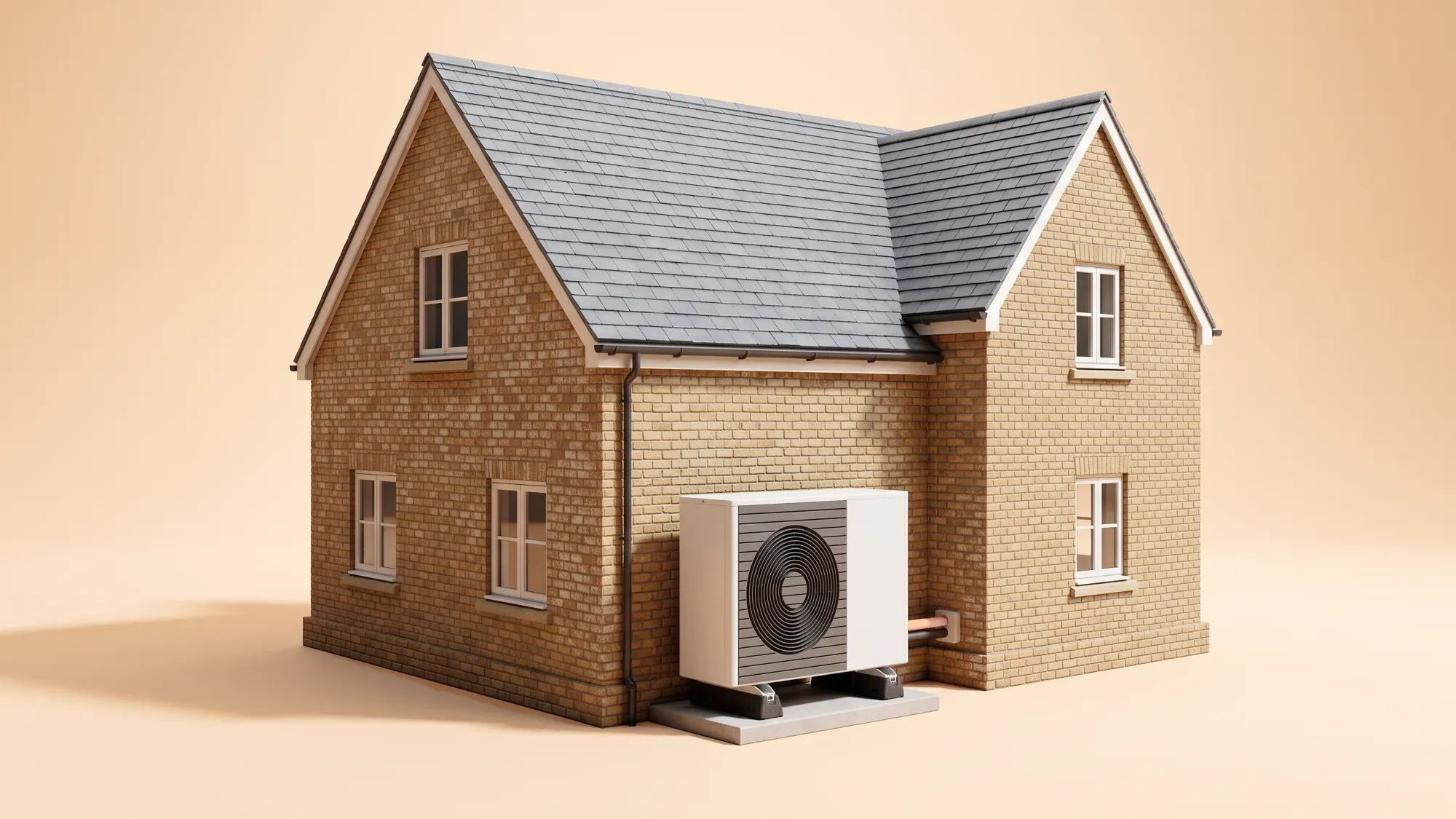
Lancaster, with its diverse housing stock ranging from historic Victorian terraces to modern developments and rural properties, presents unique challenges for home heating. For many residents, finding an energy-efficient solution that suits their specific property and the North West's often chilly climate is a priority. Heat pumps offer a compelling alternative to traditional boilers, providing both heating and cooling by transferring heat rather than generating it.
Why consider a heat pump for your Lancaster home?
Heat pumps are an energy-efficient heating and cooling solution that transfers heat rather than generating it, making them a smart choice for modern homes. Unlike traditional boilers that burn fuel, heat pumps simply move existing heat, drastically reducing energy consumption. This efficiency translates directly into lower running costs and a smaller carbon footprint for your Lancaster home.
Energy efficiency and environmental benefits
Choosing a heat pump significantly cuts your home's carbon emissions, contributing to a cleaner environment for Lancaster and beyond. By using electricity to move heat, rather than burning fossil fuels, heat pumps are a key technology in the UK's transition to net-zero. They extract heat from the air (air source) or ground (ground source), even in cold weather, providing consistent warmth without the environmental impact of gas or oil boilers. Many homeowners find that heat pumps are a worthwhile investment for both their finances and the planet.
Long-term savings and comfort
While the initial installation cost can be higher than a traditional boiler, the long-term savings on energy bills can be substantial. Heat pumps are designed to operate efficiently for many years, often outlasting conventional heating systems. Beyond the financial benefits, heat pumps deliver a consistent, comfortable warmth throughout your home, eliminating the fluctuating temperatures often associated with older heating methods. They also offer the added benefit of cooling during warmer months, providing year-to-year climate control.
Heat pump suitability for Lancaster properties
Lancaster's diverse housing stock, from its historic city centre to its surrounding rural areas, means that heat pump suitability needs careful assessment. Modern heat pumps are far more versatile than many assume, capable of performing effectively even in older or less insulated homes when properly specified.
Addressing Lancaster's housing stock and climate
Heat pumps can be a viable option for many Lancaster homes, including older properties. While some may believe heat pumps are only for new builds, careful planning can integrate them effectively into Victorian terraces or rural cottages. The key is to assess your home's current insulation and heating needs. For properties off the gas grid, often found in Lancaster's rural fringes, heat pumps offer a clean and efficient alternative to oil or LPG. Understanding the differences between an air source vs ground source heat pump can help determine the best fit for your property.
Insulation and system sizing for northern weather
For heat pumps to be efficient in colder northern weather, they must be correctly sized and paired with good insulation. Modern units run efficiently well below freezing, so cold winters are not a barrier when specified properly. A well-insulated home retains heat more effectively, allowing the heat pump to work less to maintain comfortable temperatures. This is particularly important in North West England, where winter temperatures can drop significantly. An MCS-certified installer will conduct a thorough heat loss survey to ensure the system is correctly sized for your property, preventing underperformance and ensuring optimal efficiency.
Understanding heat pump installation costs in Lancaster
The cost of installing a heat pump in Lancaster can vary widely depending on several factors, including the type of heat pump, the size of your property, and any necessary upgrades to your home's insulation or radiators.
Average installation costs
Air source heat pumps typically cost between £7,000 and £15,000 before grants are applied1. Ground source heat pumps, which require more extensive groundwork, can be significantly higher due to the excavation involved. It is crucial to remember that these are averages, and your specific quote will depend on your home's unique requirements. For a detailed breakdown, you can explore the factors affecting air source heat pump cost.
Factors influencing your quote
Several elements will influence the final price you receive from an installer. These include:
- Type of heat pump: Air source heat pumps are generally less expensive to install than ground source systems.
- Property size and heat demand: Larger homes or those with higher heat loss will require a more powerful (and thus more expensive) system.
- Existing heating system: If your current radiators are not suitable for a heat pump (which operates at lower flow temperatures), you may need to upgrade them.
- Hot water cylinder: Heat pumps require a hot water cylinder, so if you do not have one, this will be an additional cost.
- Insulation improvements: While not always strictly part of the heat pump installation, improving your home's insulation can significantly reduce the size of the heat pump needed and its running costs.
- Groundworks (for ground source): The cost of digging trenches or boreholes for ground loops is a major factor for ground source systems.
Grants and funding for heat pumps in Lancaster
To make heat pumps more accessible, the UK government offers significant financial incentives, particularly for homeowners in England and Wales.
The Boiler Upgrade Scheme explained
The Boiler Upgrade Scheme (BUS) is a government initiative designed to encourage homeowners to switch from fossil fuel boilers to low-carbon heating systems like heat pumps. The scheme offers a grant of £7,500 towards the cost of installing an air source or ground source heat pump in England and Wales. From 21 July 2026, households in England and Wales currently on heating oil can claim an uplifted £9,000 to move off the oil grid2. This grant helps reduce the upfront cost of switching to a low-carbon heating system.
What is the BUS?
The BUS is a UK government grant scheme for homeowners in England and Wales. It offers a £7,500 grant towards the installation of eligible air source and ground source heat pumps, reducing the upfront cost of switching to a low-carbon heating system. Homeowners apply for the grant themselves, with assistance from their MCS-certified installer.
Eligibility and application process for Lancaster residents
To qualify for the BUS grant, your property must be in England or Wales, and you must be replacing a fossil fuel heating system (such as a gas, oil, or LPG boiler). New build properties are generally not eligible, with some exceptions. Crucially, the installation must be carried out by an MCS-certified installer. This certification ensures that the installer meets industry standards for quality and competence, and it is a mandatory requirement for grant eligibility. Homeowners apply for the grant themselves, with their chosen MCS-certified installer assisting with the process.
Local energy infrastructure and your heat pump
Understanding Lancaster's local energy infrastructure is important for any homeowner considering a heat pump, as it affects both the cost and reliability of your electricity supply.
Lancaster's electricity price cap region
Lancaster is located in the "North West England" electricity distribution region. This is significant because Ofgem, the energy regulator, sets a regional price cap for electricity, which affects the unit rates and daily standing charges you pay. While the price cap is updated quarterly (on 1 January, 1 April, 1 July, and 1 October), the regional variations mean that electricity costs in Lancaster will differ from those in other parts of the UK. This local pricing context is a key factor when calculating the potential running costs of a heat pump.
Your local distribution network operator (DNO)
Your local distribution network operator (DNO) is responsible for maintaining the electricity network in the region, including power lines, substations, and resolving power cuts. If you experience a power cut in Lancaster, you would dial the free national number 105, which routes directly to your local DNO for assistance. You can find your specific DNO using an online postcode tool. While heat pumps are highly reliable, understanding your local DNO is useful for any home energy system that relies on electricity.
Choosing an MCS-certified heat pump installer in Lancaster
Selecting the right installer is paramount for a successful heat pump installation, especially given the technical requirements and grant eligibility criteria.
The importance of MCS certification
MCS (Microgeneration Certification Scheme) certification is a quality assurance standard for renewable energy installers and products. For homeowners in Lancaster, choosing an MCS-certified installer is not just about quality; it is a requirement to qualify for the BUS grant. This certification ensures that your installer is competent, that the system is designed and installed to a high standard, and that you receive the necessary consumer protections. Without an MCS-certified installer, you will not be able to access the grant.
Finding reputable local installers
When searching for a heat pump installer in Lancaster, look for companies with a strong local reputation and verifiable MCS certification. You can check the MCS website for a list of certified installers in your area. Obtain multiple quotes to compare costs, proposed systems, and warranties. Do not hesitate to ask for references from previous customers or to see examples of their work. A reputable installer will conduct a thorough home assessment, explain the system design in detail, and provide a clear breakdown of costs.
Heat pump maintenance and servicing in Lancaster
Like any heating system, heat pumps require regular maintenance to ensure optimal performance and longevity. Annual servicing by a qualified technician can help prevent issues, maintain efficiency, and validate warranties. Many local heating engineers in Lancaster and the surrounding areas offer heat pump servicing. Familiarising yourself with basic operational checks and understanding your system's controls will also help you get the most out of your heat pump.
References
Disclaimer
For the avoidance of doubt, this article is provided for informational purposes only and is not intended to constitute legal or financial advice. The author and/or Fuse Energy shall not be responsible for any losses arising out of any reliance on the information contained herein.