Heat pump Inverness guide
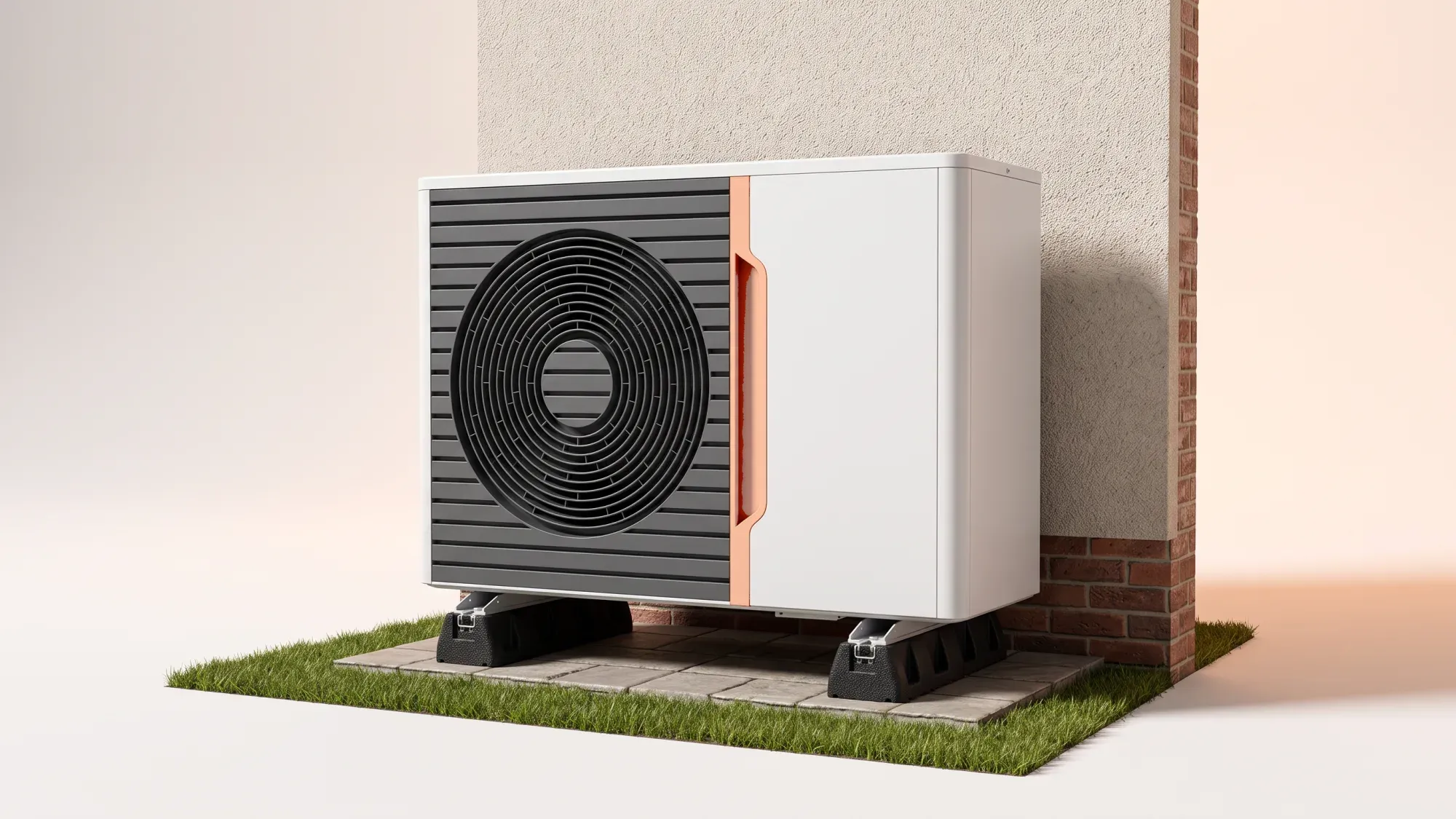
Inverness, situated at the gateway to the Scottish Highlands, offers a unique environment for homeowners considering a heat pump. With its distinct northern climate, understanding how these systems perform locally is crucial for an informed decision. This guide provides practical information for Inverness residents, moving beyond generic advice.
Why consider a heat pump for your Inverness home?
Heat pumps offer a modern, efficient alternative to traditional heating systems, aligning with Scotland's commitment to reducing carbon emissions. For homeowners in Inverness, this can mean lower running costs and a more sustainable home.
Understanding heat pump technology
Heat pumps do not generate heat by burning fuel; instead, they move existing heat from one place to another. They operate on the same principle as a refrigerator, but in reverse. An outdoor unit extracts latent heat from the air or ground, even at low temperatures, and transfers it indoors to warm your home and water. This process uses a small amount of electricity to power the system, making them highly efficient. For every 1 kWh of electricity consumed, heat pumps can produce 3 kWh or more of heat energy, significantly outperforming conventional boilers.1
Benefits for Scottish homes
Switching to a heat pump can lead to substantial reductions in energy bills and a lower carbon footprint. Modern heat pumps are well-suited to provide consistent warmth, contributing to a greener future by reducing reliance on fossil fuels, which is a key part of Scotland's net-zero targets.
Adapting to Inverness's climate
A common concern in colder regions like Inverness is whether heat pumps can perform efficiently. Modern heat pumps are specifically designed to operate effectively in low temperatures. The key to optimal performance in Inverness's winters lies in correct sizing of the system and ensuring your home has good insulation. With proper installation and a well-insulated property, a heat pump can reliably heat your home year-round.
Inverness-specific energy context and running costs
Understanding the local energy landscape is crucial for any homeowner in Inverness considering a heat pump. Regional factors directly influence your potential running costs and how you interact with the energy network.
The "northern Scotland" price cap region
Inverness falls within the 'Northern Scotland' electricity distribution region for Ofgem's price cap. This means that the unit rates and standing charges for electricity can differ from other regions across Great Britain. The price cap is set quarterly, and these regional variations reflect the costs of maintaining the local distribution network. For example, where the network is extensive and the population sparse, fixed infrastructure costs are shared among fewer customers, potentially leading to higher per-household charges.
Why does the energy price cap vary by region?
The energy price cap varies by region because the cost of building and maintaining the local electricity distribution network differs across the country. In areas with a long network and sparse population, these fixed infrastructure costs are spread across fewer customers, leading to regional differences in unit rates and standing charges set by Ofgem.
Your local distribution network operator (SSEN)
For residents in Inverness, the local Distribution Network Operator (DNO) is Scottish and Southern Electricity Networks (SSEN). SSEN is responsible for the poles, cables, substations, and meters that deliver power to your home. In the event of a power cut or emergency, Inverness residents should dial the free national number 105, which will connect them to their local DNO for assistance.
Maximising efficiency for lower bills
While heat pumps are inherently efficient, their running costs are influenced by electricity prices. To maximise savings in Inverness, ensuring your home is well-insulated is paramount. This reduces heat loss, meaning your heat pump will not have to work as hard to maintain a comfortable temperature. Proper sizing of the heat pump for your property's specific heat loss requirements is also critical for efficient operation and lower bills. You can learn more about the air source heat pump cost to understand the financial aspects.
Grants and funding for heat pumps in Scotland
Homeowners in Scotland have access to specific financial support to help with the upfront costs of installing a heat pump. These schemes are distinct from those available in other parts of the UK.
Home Energy Scotland scheme explained
Heat pump grants in Scotland are provided through the Home Energy Scotland Grant and Loan scheme, a Scottish Government initiative. This scheme offers grant funding of up to £7,500 towards the cost of an air source heat pump or ground source heat pump, with an additional £7,500 available as an optional interest-free loan. For homes in rural and island areas, an additional uplift of £1,500 is available for clean heating grants, increasing the grant to £9,000. This comprehensive package aims to make low-carbon heating more accessible and affordable for Scottish homeowners.
Eligibility and application process
To qualify for the Home Energy Scotland Grant and Loan, you must own and live in a property in Scotland that uses fossil fuel heating. Crucially, the installation must be carried out by an MCS-certified installer. MCS (Microgeneration Certification Scheme) certification ensures that the installer and the product meet rigorous quality standards, which is a requirement for accessing Government-backed financial incentives. If you are applying for funding for energy efficiency improvements, you will need a valid Energy Performance Certificate (EPC). If your property has a low EPC rating, you may need to improve insulation first to be eligible. The application process typically begins by contacting Home Energy Scotland directly to confirm eligibility and receive application forms.
Comparing funding options
The Home Energy Scotland scheme is the primary route for most homeowners in Scotland seeking to reduce the upfront cost of a heat pump. Unlike the Boiler Upgrade Scheme, which applies in England and Wales, the Scottish scheme combines a non-repayable grant with an optional interest-free loan. This dual approach can significantly reduce out-of-pocket expenses, potentially making a heat pump installation much more affordable. Understanding the pros and cons of air source heat pumps can help you decide if this is the right option for your home.
Choosing the right heat pump and installer in Inverness
Selecting the appropriate heat pump and a qualified installer are critical steps to ensure your system performs optimally and qualifies for available funding.
Air source vs ground source heat pumps
The two main types of heat pumps are air source and ground source. Air source heat pumps (ASHPs) extract heat from the outside air and are generally easier and less disruptive to install, often requiring just an outdoor unit. They are suitable for most property types. Ground source heat pumps (GSHPs), on the other hand, draw heat from the ground via buried pipes. While GSHPs tend to be more efficient due to the stable ground temperature, they have a higher upfront cost and require significant groundworks, making them more suitable for properties with larger gardens or rural plots. You can explore the differences further in our guide on air source vs ground source heat pump.
The importance of MCS certification
Regardless of the type of heat pump you choose, ensuring your installer is MCS-certified is non-negotiable. MCS certification is a national standard that guarantees the quality of both the installation and the product. Without an MCS-certified installer, you will not be able to qualify for the Home Energy Scotland grant.
Questions to ask potential installers
When obtaining quotes, ask installers about their MCS certification, their experience with similar properties in Inverness's climate, and how they will assess your home's insulation and heat loss. Inquire about the specific heat pump models they recommend, their efficiency ratings, and the expected lifespan of the system. A good installer will provide a detailed breakdown of costs, including any necessary upgrades to radiators or hot water cylinders.
The heat pump installation process
Installing a heat pump involves several stages, from initial assessment to commissioning and ongoing maintenance. Understanding this process can help you prepare and ensure a smooth transition to your new heating system.
Initial assessment and sizing
The process begins with a thorough home survey by an MCS-certified engineer. This assessment involves calculating your home's heat loss, inspecting existing radiators and hot water systems, and checking the electrical supply. This detailed analysis ensures the heat pump is correctly sized for your property, which is crucial for both efficiency and comfort, especially in colder climates. Without a proper survey, it is impossible to get an accurate quote or guarantee optimal performance.
What to expect during installation
A typical air source heat pump installation usually takes around 2 to 3 days.2 This generally involves installing the outdoor unit, running pipework, decommissioning your old boiler, and installing a new hot water cylinder if needed. Ground source heat pump installations can be more disruptive due to the required groundworks for burying pipes or drilling boreholes. Your installer will also connect the heat pump to your existing heating and hot water system and make the necessary electrical connections.
Post-installation support and maintenance
Once installed, your heat pump system will be commissioned, and your installer should provide a thorough handover, explaining how to operate and control it. While heat pumps generally require less maintenance than traditional boilers, regular servicing is recommended to ensure continued efficiency and longevity. Many installers offer maintenance and repair services. After your heat pump is installed, the Fuse app can act as a remote In-Home Display (IHD), showing your hourly, daily, monthly, and annual energy usage to help you manage consumption.
Managing your home's energy should be simple and transparent. Fuse Energy offers clear pricing and a digital-first approach to help you understand and control your energy usage. Our 24/7 human support team is always available to assist you. Switching to Fuse is quick and easy, allowing you to take charge of your energy bills.
References
- Simple Green Energy. Air Source Heat Pump Efficiency in the UK (2026)
- Thermal Earth. How Much Does It Cost to Install an Air Source Heat Pump in the UK?
Disclaimer
For the avoidance of doubt, this article is provided for informational purposes only and is not intended to constitute legal or financial advice. The author and/or Fuse Energy shall not be responsible for any losses arising out of any reliance on the information contained herein.