Heat pumps in Hampshire
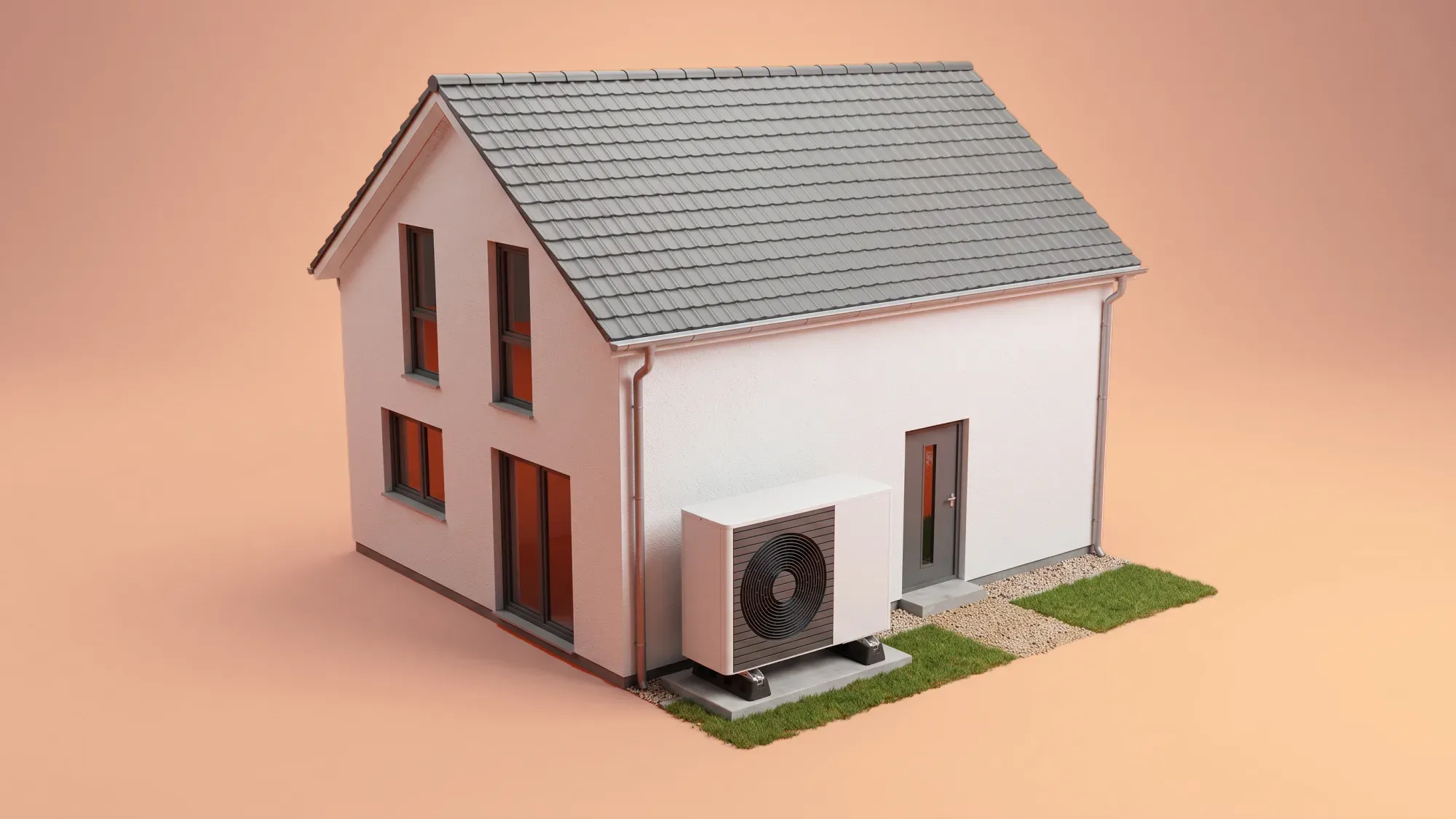
Hampshire, with its diverse landscape from the Solent coast to the New Forest and South Downs, features a variety of homes, each with unique heating requirements. Whether you live in a historic Victorian property, a modern New-build, or a rural home not connected to the gas grid, understanding how a heat pump integrates with your specific property and local energy infrastructure is crucial. This guide offers clear, localised insights to help you make an informed decision about heat pumps in Hampshire.
Understanding heat pumps for Hampshire homes
What is a heat pump and how it works
A heat pump is an energy-efficient heating system that extracts thermal energy from the environment - either the air or the ground - and transfers it into your home to provide heating and hot water. Unlike traditional boilers that generate heat by burning fuel, heat pumps use electricity to move existing heat, making them a more environmentally friendly choice. There are two primary types: air source heat pumps (ASHPs), which draw heat from the outside air, and ground source heat pumps (GSHPs), which use buried pipes to extract heat from the ground. Both systems are designed to maintain high efficiency even during a typical UK winter, providing consistent warmth for your home. To learn more about how they work, read our guide on air source heat pumps.
Why consider a heat pump in Hampshire
Hampshire's varied housing stock means that a one-size-fits-all heating solution rarely works. Heat pumps offer a strategic upgrade, providing efficient heating and hot water that can adapt to different property types. For those in older, less insulated homes, a heat pump, when correctly sized and paired with improved insulation, can significantly reduce running costs and carbon emissions. In New-builds, they are often the standard, offering high efficiency from the outset. For rural properties not connected to the gas grid, a heat pump can offer a more stable and often cheaper alternative to oil, LPG, or electric storage heaters. If you're weighing up the decision, our article "Are heat pumps worth it?" might help.
Local energy landscape for Hampshire heat pump owners
Understanding your local energy infrastructure is key to optimising a heat pump's performance and cost-effectiveness.
Hampshire's electricity price cap region
Hampshire sits within the 'Southern England' electricity distribution region for Ofgem's price cap. This means that the unit rates and daily standing charges for electricity in Hampshire are specific to this region and differ from other parts of Great Britain. Ofgem updates these price caps quarterly, affecting how much you pay for the electricity your heat pump uses.
Your local distribution network operator: SSEN
The local Distribution Network Operator (DNO) for Hampshire is Scottish and Southern Electricity Networks (SSEN). The DNO is responsible for maintaining the poles, wires, and substations that deliver electricity to your home. If you experience a power cut in Hampshire, you would dial the free national number 105, which routes directly to your local DNO. Understanding your DNO is important because they manage the local grid capacity, which can be a factor in larger heat pump installations or those combined with other high-power appliances.
What is a DNO?
A DNO is the company responsible for delivering electricity from the national transmission network to your home. They own and operate the local electricity cables, power lines, and substations, ensuring a safe and reliable supply. In Hampshire, your DNO is SSEN.
Costs, grants, and savings for Hampshire homeowners
Investing in a heat pump involves upfront costs, but significant government support and long-term savings can make it a sound financial decision.
Boiler Upgrade Scheme: £7,500 grant
The UK Government's Boiler Upgrade Scheme (BUS)1, administered by Ofgem2, provides a grant of £7,500 towards the cost of installing an air source or ground source heat pump in England and Wales. This grant significantly reduces the initial outlay, making heat pumps more accessible for Hampshire homeowners. To qualify, your property must be in England or Wales, have an installation capacity up to 45kWth, and the installer must be MCS-certified.
Understanding installation and running costs
The total installation cost for an air source heat pump in the UK typically ranges from £7,000 to £15,000 before grants. For ground source heat pumps, costs can range from £18,000 to £50,000, depending on the system and groundwork required. Running costs depend on several factors, including your home's insulation levels, the size and type of heat pump, and your electricity tariff. A well-insulated home with a correctly sized heat pump and an optimised energy tariff will see the lowest running costs. For a detailed breakdown, see our article on air source heat pump cost.
Long-term savings and property value
While the initial investment can be substantial, heat pumps offer long-term savings by reducing your reliance on more expensive fossil fuels. They are highly efficient, often converting one unit of electricity into three or more units of heat. This efficiency, combined with the potential for lower energy bills, can lead to considerable savings over the lifespan of the system. Furthermore, installing a heat pump can increase your property's Energy Performance Certificate (EPC) rating, potentially adding to its market value.
Choosing the right heat pump and installer in Hampshire
Making the right choices for your property and installation team is crucial for optimal performance and grant eligibility.
Air source vs ground source heat pumps
The choice between an air source and ground source heat pump often comes down to your property and available space. Air source heat pumps are generally easier and quicker to install, requiring an outdoor unit similar to an air conditioning unit. They are suitable for most homes in Hampshire. Ground source heat pumps, while more expensive and disruptive to install due to the need for trenches or boreholes for the ground loops, offer higher efficiency and a longer lifespan. They are an excellent option for properties with sufficient outdoor space, particularly in rural Hampshire. Our guide on air source vs ground source heat pumps provides a comprehensive comparison.
Importance of MCS-certified installers
For any heat pump installation in Hampshire, choosing an MCS-certified installer is non-negotiable. MCS (Microgeneration Certification Scheme) certification is a quality assurance standard that ensures installers meet strict criteria for competence and consumer protection. Crucially, your installation will only be eligible for the £7,500 BUS grant if it is carried out by an MCS-certified installer. Without this certification, you will not be able to claim the grant.
Sizing your heat pump and insulation considerations
Proper sizing of your heat pump is paramount. An undersized unit will struggle to heat your home efficiently, while an oversized one will cycle on and off frequently, leading to inefficiency and wear. A qualified MCS-certified installer will conduct a thorough heat loss survey of your property to determine the correct size. Equally important is your home's insulation. Heat pumps work best in well-insulated properties, as they deliver heat at a lower, more consistent temperature than traditional boilers. Improving your loft, wall, and floor insulation before installation will maximise your heat pump's efficiency and reduce running costs.
Making the switch: your next steps in Hampshire
Ready to make a power play for your home's energy future? Here's how to proceed with a heat pump installation in Hampshire.
Getting quotes and planning your installation
Start by assessing your home's suitability, focusing on insulation and heating demand. Then, research and obtain quotes from several MCS-certified heat pump installers operating in Hampshire. Ensure these quotes are detailed and include the cost of the unit, installation, and any necessary upgrades to your heating system (e.g., radiators). Understand the costs involved and confirm your eligibility for the £7,500 BUS grant. Once you've chosen an installer, plan for the installation, coordinating with them and your energy supplier.
Optimising your heat pump with a smart energy supplier
A heat pump is a strategic energy upgrade, and pairing it with a smart energy supplier can amplify its benefits. Fuse Energy offers Vaillant aroTHERM plus heat pump installation, and we are MCS and TrustMark certified. We handle planning approvals, DNO applications, paperwork, installation, and final checks. We also offer smart energy management for your electrified home, providing the capability to manage your home heating efficiently. This aligns with our vision of abundant energy, reducing reliance on traditional fossil fuels and giving you more control over your energy consumption and costs.
References
- UK Government. Boiler Upgrade Scheme.
- Ofgem. Boiler Upgrade Scheme (BUS).
Disclaimer
For the avoidance of doubt, this article is provided for informational purposes only and is not intended to constitute legal or financial advice. The author and/or Fuse Energy shall not be responsible for any losses arising out of any reliance on the information contained herein.