Heat pumps in Fife: modern home heating
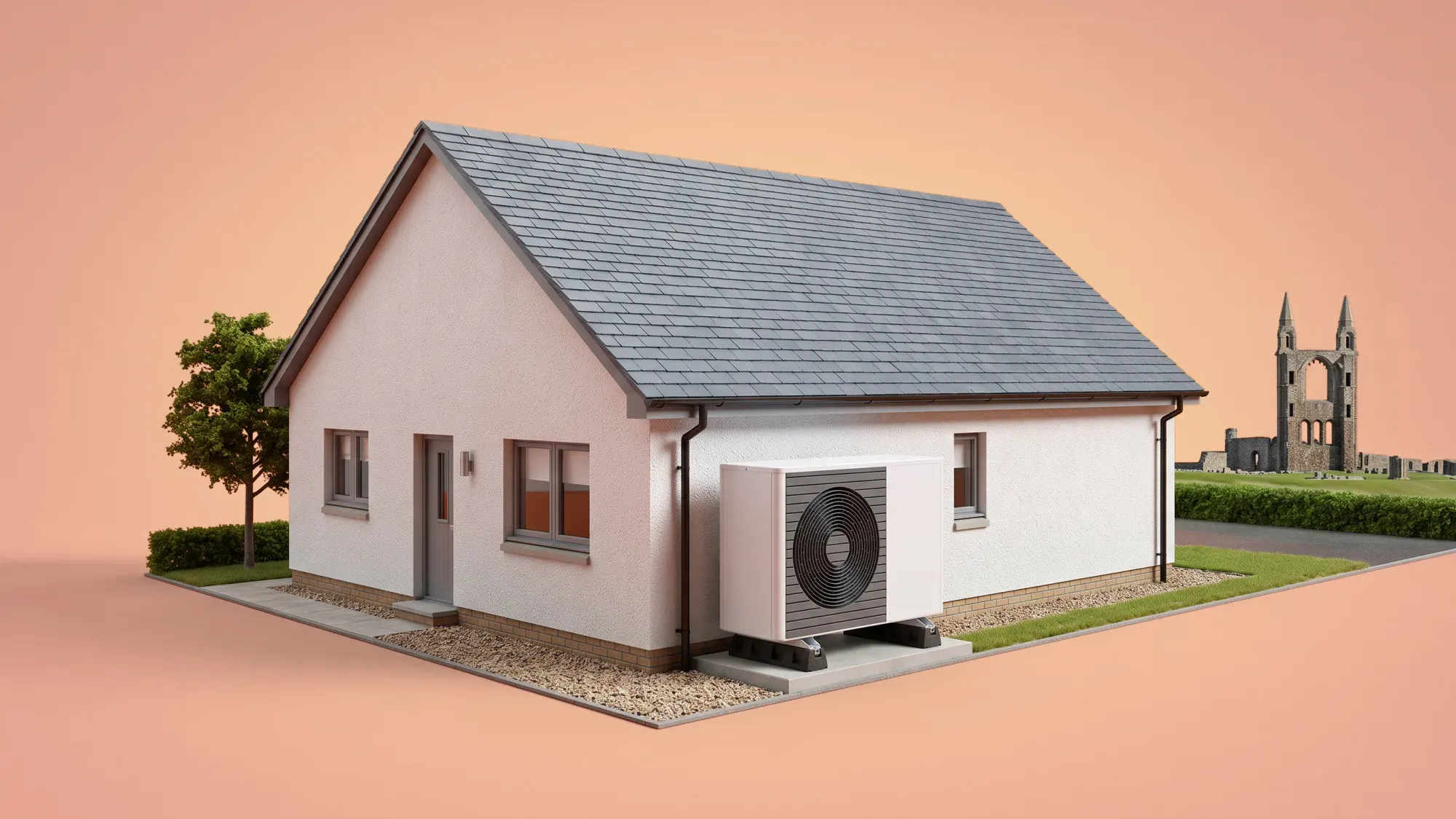
Fife, with its diverse landscape stretching from historic coastal towns like St Andrews and the East Neuk fishing villages to bustling inland communities such as Dunfermline and Glenrothes, presents a varied picture for homeowners considering modern heating solutions. Properties range from traditional stone-built homes to modern new-build estates, and many rural areas are off the main gas grid. For residents across this unique Scottish region, understanding how heat pumps fit into their homes and local infrastructure is key to making an informed decision about their energy future.
Heat pumps offer an energy-efficient and environmentally friendly alternative to traditional fossil fuel heating systems, converting ambient heat into usable warmth for homes. They represent a strategic move for homeowners seeking greater control over their energy consumption and costs.
Why consider a heat pump for your Fife home?
Fife's unique climate and housing stock
Fife's housing stock is diverse, with 169,573 households as of 2022. Around 63% of these homes are owner-occupied, encompassing a mix of property types. This variety means heat pumps can be a suitable option for many properties, from larger detached residences to smaller flats, provided the system is correctly sized and the property has adequate insulation.
The benefits of heat pumps for local properties
Adopting a heat pump can lead to significant reductions in carbon emissions and, for many, lower running costs compared to traditional boilers. Modern heat pump technology is effective even in colder climates, provided the system is correctly specified and the property has good insulation. This makes them a viable option for homes across Fife, including those in more exposed coastal or rural locations. If you're wondering if are heat pumps worth it for your property, it often depends on these factors.
Understanding heat pump technology
Heat pumps operate by transferring heat rather than generating it, making them highly efficient. They draw heat from the air, ground, or water and concentrate it to warm your home and provide hot water.
How air source heat pumps work
Air source heat pumps (ASHPs) are the most common type in the UK. They extract heat from the outside air, even when temperatures are low, and use it to heat water for your central heating system and hot water taps. This process is highly efficient, delivering more heat energy than the electrical energy they consume.
Ground source heat pumps: an alternative for Fife
Ground source heat pumps (GSHPs) work on a similar principle but extract heat from the ground using a network of buried pipes. While generally more expensive to install due to the excavation required, they can offer higher efficiency and more stable performance as ground temperatures are more consistent than air temperatures. For properties in Fife with sufficient outdoor space, a ground source heat pump could be a highly effective long-term heating solution.
Performance in Scottish winters
Modern heat pumps are designed to operate efficiently in cold Scottish winters, provided they are correctly sized and paired with good home insulation. These units can run effectively well below freezing temperatures, meaning that cold weather is not a barrier to their performance when specified properly.
Grants and financial support in Fife
Government-backed financial incentives are available in Scotland to support homeowners in adopting heat pump technology, significantly reducing the upfront cost.
Home Energy Scotland: what's available
In Scotland, heat pump grants are provided by Home Energy Scotland, a Scottish Government scheme. This scheme offers a non-repayable grant of up to £7,500, alongside an optional interest-free loan of up to £7,500^[1,2]. For homeowners in rural areas not on the mains gas network, the grant can be increased to £9,000, with an additional optional interest-free loan of up to £9,000 also available. This support can cover a substantial portion of the installation costs, making heat pumps more accessible.
Eligibility and application process
To qualify for the Home Energy Scotland Grant and Loan, you must own and live in the property in Scotland, currently use fossil fuel heating (such as gas, oil, LPG, or electric storage heaters), and your home should have an Energy Performance Certificate (EPC) rating of D or better. Crucially, the installation must be carried out by an MCS-certified installer. The application process typically involves contacting Home Energy Scotland to confirm eligibility and receive guidance.
Choosing a heat pump installer in Fife
Proper installation by certified professionals is crucial for system efficiency, longevity, and eligibility for financial support schemes.
The importance of MCS certification
MCS certification for installers is a mandatory requirement to qualify for Home Energy Scotland grants and ensures high-quality installation standards. An MCS-certified installer will adhere to industry standards, giving you confidence in the quality and performance of your heat pump system. Several MCS-approved installers operate in Fife and the surrounding Tayside region.
Local expertise: what to look for
When selecting an installer in Fife, look for companies with a strong local presence and a proven track record. Local installers will have a better understanding of Fife's specific housing types and climate considerations. They can also provide tailored advice on system sizing and integration with your existing heating infrastructure.
Understanding quotes and costs
The average air source heat pump cost in the UK typically ranges from £7,000 to £15,000 before grants3. For ground source systems, costs can range from £18,000 to £35,0004. With the Home Energy Scotland grant of up to £7,500, the out-of-pocket cost for an air source heat pump can be significantly reduced. Ensure quotes are comprehensive, detailing the system, estimated costs, and expected performance, clearly outlining how grants will be applied.
Fife's energy infrastructure: what you need to know
Understanding how your local energy infrastructure operates can help you make informed decisions about installing a heat pump.
Ofgem's Southern Scotland price cap region
Fife falls within the "Southern Scotland" electricity distribution region for Ofgem's energy price cap. This means that the unit rates and daily standing charges for electricity in Fife differ from other UK regions, as the cap is set regionally and updated quarterly.
Your local distribution network operator: SP Energy Networks
SP Energy Networks is the local Distribution Network Operator (DNO) for Fife. They are responsible for the electricity grid infrastructure in the area, including maintaining power lines, responding to power cuts, and facilitating new connections or upgrades to the electricity supply. If you experience a power cut in Fife, you would typically dial the free national number 105, which routes directly to your DNO. You can also find your network operator using the Energy Networks Association's "Find my network operator" tool online.
Making the switch to a heat pump
Transitioning to a heat pump involves a few key steps, but the long-term benefits can be substantial.
Planning your installation
The process of installing a heat pump typically begins with an assessment of your home's suitability, considering factors like insulation levels and heating needs. This is followed by researching available financial incentives, obtaining quotes from MCS-certified installers, and reviewing their proposals. Once a system is chosen, the installation and commissioning can proceed.
Long-term savings and environmental impact
Heat pumps can lead to long-term savings on energy bills. For example, households switching from an old inefficient gas boiler to an air source heat pump could save around £260 a year, while those replacing electric storage heaters might save up to £1,200 annually. Savings can be even higher for homes previously using oil or LPG. Beyond the financial benefits, heat pumps significantly reduce your home's carbon footprint, contributing to a more sustainable future for Fife and beyond.
What is the Home Energy Scotland Grant?
The Home Energy Scotland Grant is a Scottish Government scheme providing financial support for homeowners to install clean heating systems like heat pumps. It offers a non-repayable grant of up to £7,500 (or £9,000 for rural homes) and an optional interest-free loan of the same amount, helping to reduce the upfront cost of installation.
References
- Home Energy Scotland. Grants and loans
- myVAILLANT Pro. Heat pump grants in Scotland: A guide for installers
- Thermal Earth. How Much Does It Cost to Install an Air Source Heat Pump in the UK?
- Thermal Earth. Ground Source Heat Pumps UK | £7,500 Grant
Disclaimer
For the avoidance of doubt, this article is provided for informational purposes only and is not intended to constitute legal or financial advice. The author and/or Fuse Energy shall not be responsible for any losses arising out of any reliance on the information contained herein.