Heat pumps in Cumbria
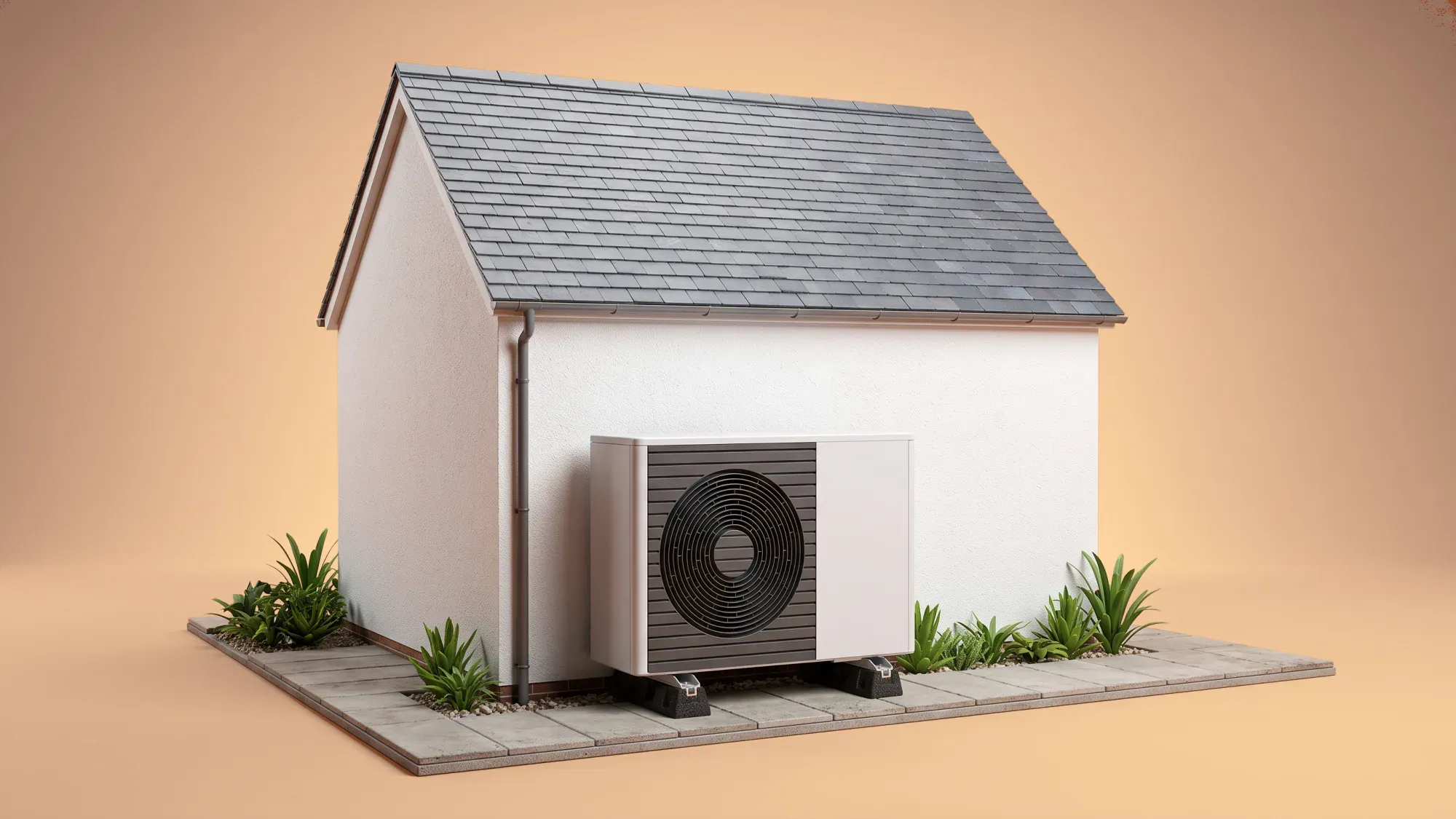
Nestled between the Irish Sea and the dramatic fells of the Lake District, Cumbria presents a unique landscape for homeowners. From traditional stone cottages in its rural valleys to the varied housing stock across towns like Carlisle and Kendal, many properties here, particularly those off the main gas grid, are perfectly positioned to benefit from modern heating solutions. Understanding how a heat pump integrates with Cumbria's specific climate and housing types is key to unlocking its full potential.
Understanding heat pumps for Cumbria homes
Heat pumps are an efficient, low-carbon alternative to traditional boilers, extracting heat from the air or ground to warm your home and provide hot water. They operate by moving heat rather than generating it, making them highly energy-efficient.
Air source vs ground source heat pumps
There are two primary types of heat pumps suitable for Cumbria homes:
- Air source heat pumps (ASHPs): These extract heat from the outside air, even when temperatures are well below freezing. They are generally easier and less disruptive to install, requiring an outdoor unit similar to an air conditioning condenser. For more details, you can read our guide on air source heat pumps.
- Ground source heat pumps (GSHPs): These draw heat from the ground via buried pipes. While installation is more complex and typically involves significant excavation, ground temperatures remain more stable year-round, offering consistent performance regardless of external air temperature.
Suitability for Cumbria's climate and housing
A common misconception is that heat pumps struggle in colder climates. However, modern heat pumps are designed to operate efficiently even in temperatures well below 0°C, making them suitable for Cumbria's winters. In fact, countries with much colder climates, like those in Scandinavia, have widely adopted heat pump technology for decades.
The key to effective heat pump performance in Cumbria lies in correct sizing and good home insulation. A properly specified system, paired with adequate insulation, ensures your home stays warm and comfortable, even during cold snaps. This is particularly important for Cumbria's diverse housing stock, which includes older, less insulated properties that may require insulation upgrades before heat pump installation.
Benefits of heat pumps in Cumbria
Switching to a heat pump offers several advantages for homeowners in Cumbria, from reducing energy bills to lessening environmental impact.
Energy efficiency and running costs
Heat pumps are significantly more efficient than traditional fossil fuel boilers. Air source heat pumps, for example, can achieve efficiencies of 300% or more, meaning they produce around 3 kWh of heat for every 1 kWh of electricity used1. This efficiency translates directly into lower running costs, making them a financially attractive option in the long term. While performance can reduce slightly in extreme cold, heat pumps remain highly efficient and cheaper to run than traditional systems.
Environmental impact
Heat pumps produce significantly lower carbon emissions compared to gas or oil boilers. When powered by renewable electricity, their heating-related emissions can be reduced significantly, potentially to near zero. By adopting heat pump technology, Cumbria homeowners contribute to a greener future and help the UK meet its net-zero targets.
Heat pump costs and grants in Cumbria
The upfront heat pump cost can be a significant consideration, but government grants are available to help make the transition more affordable.
Typical installation costs
The cost of installing a heat pump in Cumbria varies depending on the type of system (air source or ground source), the size of your property, and any necessary upgrades to your home's insulation or radiators. Indicative market figures suggest air source heat pump installations typically range from £7,000 to £15,000 before grants2. While the initial investment can be higher than a traditional boiler, the long-term savings on running costs and available grants help offset this. For a deeper dive into the financial aspects, explore our article on air source heat pump cost.
The Boiler Upgrade Scheme explained
The Boiler Upgrade Scheme (BUS) is a government initiative designed to encourage property owners in England and Wales to install low-carbon heating systems. The scheme provides a grant of £7,500 towards the cost and installation of an air source or ground source heat pump.
How do I apply for the BUS?
You apply for the BUS grant directly via the GOV.UK eligibility and application page. Your chosen MCS-certified installer will then confirm the details and proceed with the installation once your application is approved. The installer does not apply on your behalf or deduct the grant upfront.
To be eligible, your property must be in England or Wales, and the installation must be carried out by an MCS-certified installer. From 21 July 2026 to 31 March 2027, eligible off-gas grid properties in England and Wales that rely on heating oil or LPG can receive an increased grant of £9,000 for air source or ground source heat pumps3.
Choosing a heat pump installer in Cumbria
Selecting the right installer is crucial for ensuring your heat pump system is efficient, reliable, and eligible for government grants.
The importance of MCS certification
MCS (Microgeneration Certification Scheme) certification is a quality assurance standard for renewable energy technologies. For homeowners, choosing an MCS-certified installer is not just about quality; it's a requirement to qualify for the BUS grant. MCS certification ensures that your heat pump installation meets rigorous industry standards and that your installer complies with high consumer protection standards.
Local installer considerations
When looking for a heat pump installer in Cumbria, consider seeking multiple quotes from MCS-certified companies operating in the region. Local installers will have a better understanding of Cumbria's specific housing types, climate conditions, and any local planning considerations. They can provide tailored advice on the best heat pump solution for your property.
Cumbria's local energy landscape
Understanding how your home connects to the wider energy network is important for any major energy upgrade, including heat pump installation.
Electricity North West and your supply
Cumbria falls within the operational area of Electricity North West, which is the local Distribution Network Operator (DNO) for the North West of England. The DNO is responsible for maintaining and upgrading the electricity network that delivers power to your home. In the event of a power cut, Cumbria residents should dial the free national number 105, which will connect them directly to Electricity North West for assistance.
Ofgem's price cap in North West England
Ofgem sets regional price caps for electricity, and Cumbria is located within the "North West England" electricity distribution region. This means that the unit rates and daily standing charges for electricity can vary slightly compared to other regions in Great Britain. The price cap is reviewed and updated every three months, influencing the cost of running your heat pump.
Long-term ownership and maintenance
Investing in a heat pump is a long-term decision, and understanding its ongoing needs will help you maximise its benefits.
Servicing and longevity
Like any heating system, heat pumps require regular servicing to ensure they operate efficiently and reliably for years to come. Annual maintenance checks can help identify and address any issues early, prolonging the lifespan of your system and maintaining its performance. A well-maintained heat pump can have a long operational life, often exceeding that of a traditional boiler.
Maximising your heat pump's performance
To get the most out of your heat pump in Cumbria, consider these points:
- Insulation: Ensure your home is well-insulated to minimise heat loss. This includes loft insulation, cavity wall insulation, and double glazing.
- System sizing: A correctly sized heat pump is crucial. An undersized system will struggle to heat your home, while an oversized one will cycle inefficiently.
- Controls: Learn to use your heat pump's controls effectively. Many systems benefit from being run at a consistent, lower temperature rather than being turned on and off frequently.
Fuse Energy offers Vaillant aroTHERM plus heat pump installations, handling planning approvals, DNO applications, paperwork, installation, and final checks. We aim to empower homeowners with clear, data-backed information to make informed decisions about their energy future, providing the knowledge you need to access abundant, efficient home heating.
Managing your home's energy should be simple and transparent. Fuse Energy offers clear pricing, real-time usage data through our app, and 24/7 human customer support. We're here to help you take control of your energy bills and make the most of modern heating solutions like heat pumps. Switching to Fuse Energy is quick and easy.
References
- Simple Green Energy. Air Source Heat Pump Efficiency in the UK (2026)
- Thermal Earth. How Much Does It Cost to Install an Air Source Heat Pump in the UK?
- UK Government. Thousands of homes will be eligible for £9,000 off a heat pump
Disclaimer
For the avoidance of doubt, this article is provided for informational purposes only and is not intended to constitute legal or financial advice. The author and/or Fuse Energy shall not be responsible for any losses arising out of any reliance on the information contained herein.