Heat pumps in Croydon: a guide to a warmer home
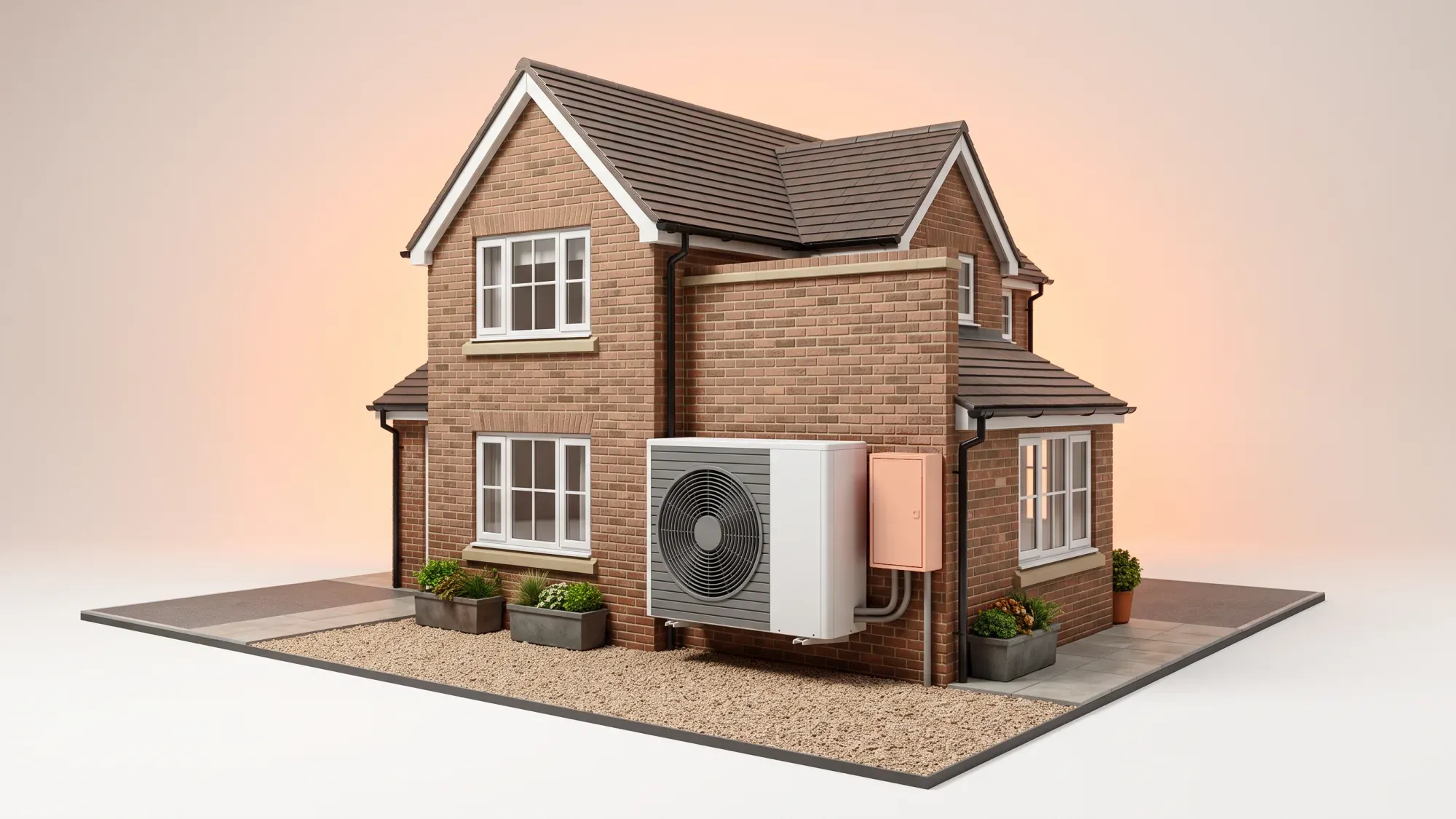
Croydon, with its mix of historic Victorian and Edwardian terraces, post-war estates, and modern developments, offers a varied landscape for homeowners considering a switch to sustainable heating. While no two homes are exactly alike, the drive towards energy efficiency and a lower carbon footprint is a common goal. This guide provides practical, localised information to help Croydon residents explore heat pump technology, understand the costs, and access available grants.
Why consider a heat pump for your Croydon home?
Heat pumps are becoming increasingly popular across the UK as an efficient and environmentally friendly alternative to traditional heating systems. For Croydon homeowners, making the switch can lead to significant long-term benefits.
Energy efficiency and environmental benefits
Heat pumps work by extracting heat from the air, ground, or water and transferring it into your home. This process is highly efficient, using a small amount of electricity to move a larger amount of heat, rather than generating heat directly. Modern heat pumps can operate effectively even in colder temperatures, often down to -15°C, making them well-suited for British winters. Their seasonal efficiency (SCOP) typically ranges from 2.8 to 3.8 for quality installations, meaning they produce 2.8 to 3.8 units of heat for every unit of electricity consumed over a heating season. This efficiency directly reduces your carbon footprint, contributing to a greener Croydon.
Long-term savings and enhanced comfort
While the upfront cost of a heat pump can be higher than a traditional boiler, the long-term energy savings can be substantial. By using less electricity to generate the same amount of heat, heat pumps can lower your energy bills over time. Beyond savings, heat pumps provide consistent and comfortable warmth throughout your home, avoiding the fluctuating temperatures often associated with older heating systems. This steady warmth, combined with improved air quality, creates a more pleasant living environment. You can explore whether heat pumps are worth it for your property.
Understanding heat pump types and suitability in Croydon
Choosing the right heat pump depends on your property type, available space, and specific heating needs. Croydon's varied housing stock means different solutions will suit different homes.
Air source heat pumps for urban homes
Air source heat pumps (ASHPs) are the most common type of heat pump installed in urban and suburban areas like Croydon. They extract heat from the outside air, even when temperatures are low, and can be installed with minimal disruption. ASHPs are generally suitable for most property types, including many of Croydon's Victorian and Edwardian homes, as well as newer builds, provided there is adequate space for an outdoor unit. Learn more about air source heat pumps and their benefits.
Ground source heat pumps for larger properties
Ground source heat pumps (GSHPs) draw heat from the ground via a network of buried pipes. While highly efficient and stable, they require more outdoor space for installation, making them a more viable option for larger properties with gardens in less densely populated parts of Croydon or the surrounding areas.
Assessing your home's suitability and insulation
Regardless of the heat pump type, proper sizing to your property and adequate insulation are crucial for optimal efficiency and performance. A heat pump that is too small will struggle to heat your home, while one that is too large will cycle inefficiently. Before installation, an assessment of your home's current insulation, including walls, loft, and windows, is essential. Upgrading insulation where necessary will ensure your heat pump operates at its best, keeping your home warm and your running costs down.
Grants and local energy considerations for Croydon residents
Understanding the financial support available and how local energy infrastructure affects your home is key to a successful heat pump installation in Croydon.
The Boiler Upgrade Scheme: £7,500 grant
Homeowners in England and Wales can significantly reduce the upfront cost of a heat pump installation through the Boiler Upgrade Scheme (BUS)1. This government initiative offers a grant of £7,500 towards the cost and installation of air source and ground source heat pumps2. From 21 July 2026, households in England and Wales currently using heating oil or LPG can claim an uplifted £9,000 grant to move off the oil grid3. The scheme is designed to encourage the adoption of low-carbon heating systems.
To be eligible for the BUS, your property must be in England or Wales, have a valid Energy Performance Certificate (EPC) with no outstanding recommendations for loft or cavity wall insulation, and you must be replacing an existing fossil fuel system (such as a gas boiler, oil boiler, or LPG boiler) or an electric heating system (like storage or panel heaters)4. Your installation must be carried out by an MCS-certified installer.
How does the BUS work?
The BUS provides a £7,500 grant for heat pump installations in England and Wales. Your MCS-certified installer applies for the grant on your behalf, and the amount is deducted directly from your installation cost5. This reduces the upfront expense of switching to a low-carbon heating system.
Croydon's energy network: UK Power Networks and price caps
Croydon residents fall within the 'London' electricity distribution region for Ofgem's energy price cap. This means the unit rates and daily standing charges you pay for electricity are set according to this regional cap, which is updated quarterly.
The local Distribution Network Operator (DNO) responsible for maintaining the electricity supply network in Croydon is UK Power Networks. They manage the lines and cables that bring electricity to your home. If you experience a power cut, you would contact UK Power Networks directly by dialling the free national number 105. Understanding your DNO is important, as they are involved in connecting new or upgraded electrical systems, including heat pumps, to the grid.
Finding a qualified heat pump installer in Croydon
The success and eligibility of your heat pump installation largely depend on choosing the right professional.
The importance of MCS certification
For your heat pump installation to qualify for the BUS grant, it is a mandatory requirement that the installer is certified by the Microgeneration Certification Scheme (MCS). MCS certification ensures that installers are technically competent and that the products they use meet rigorous quality standards. This provides peace of mind that your system will be installed correctly and safely. You can find MCS-certified installers in your area through the MCS website.
Questions to ask potential installers
When obtaining quotes, ask potential installers about their MCS certification, their experience with properties similar to yours in Croydon, and whether their quote clearly outlines the BUS grant deduction. Inquire about the proposed heat pump's efficiency (SCOP), warranty details, and any recommended insulation upgrades. A reputable installer will be transparent about all costs, timelines, and the expected performance of your new system. Considering the air source heat pump cost upfront and running costs is also important.
The heat pump installation process in Croydon
Installing a heat pump is a significant home improvement, but a qualified installer will guide you through each stage.
From initial survey to system switch-on
The process typically begins with an initial home survey to assess your property's suitability, heating demands, and current insulation. The installer will then provide a detailed quote, including the BUS grant deduction. Once you approve, they will handle the grant application on your behalf. Installation involves fitting the outdoor unit (for air source heat pumps), connecting it to your existing heating system, and installing a hot water cylinder if needed. The system is then commissioned and tested before being handed over to you.
Minimising disruption to your home
A professional installer will aim to minimise disruption. While some pipework and electrical modifications are usually necessary, these are typically managed efficiently. Discuss the installation timeline and any potential temporary inconveniences with your chosen installer upfront. They should provide a clear schedule and keep you informed throughout the project.
Maximising your heat pump's performance and savings
Once installed, there are steps you can take to ensure your heat pump operates at peak efficiency and delivers the best possible savings.
Optimising your system settings
Heat pumps perform best when set to maintain a consistent, lower temperature over a longer period, rather than being switched on and off frequently or set to very high temperatures. Experiment with your thermostat settings to find the ideal balance for comfort and efficiency. Regular servicing, typically annually, will also keep your system running smoothly and efficiently.
Integrating with your energy supplier
Understanding your energy usage is crucial for optimising your heat pump's performance. Digital tools and smart meters can provide insights into your consumption patterns, allowing you to make informed decisions about when and how you use energy. Fuse Energy believes in giving you the "power to play with" your home energy consumption, providing transparency and control through innovative tools. By supporting the adoption of heat pumps in Croydon, we contribute to rebuilding the energy system from scratch, moving towards a future where energy is abundant and sustainable. This commitment to innovation means we "never settle" for outdated heating solutions, encouraging Croydon residents to embrace a future-ready home that maximises their heat pump investment.
Managing your home's energy should be simple and transparent. Fuse Energy offers clear pricing, real-time usage data through our app, and 24/7 human customer support to help you make the most of your heat pump and other home energy upgrades. Switching to Fuse Energy is quick and easy, allowing you to take control of your energy bills and contribute to a greener future.
References
- UK Government. Boiler Upgrade Scheme
- UK Government. Apply for the Boiler Upgrade Scheme: What you can get
- UK Government. Thousands of homes will be eligible for £9,000 off a heat pump
- Ofgem. Boiler Upgrade Scheme (BUS) - Property owners
- UK Government. Apply for the Boiler Upgrade Scheme
Disclaimer
For the avoidance of doubt, this article is provided for informational purposes only and is not intended to constitute legal or financial advice. The author and/or Fuse Energy shall not be responsible for any losses arising out of any reliance on the information contained herein.