Heat pump installation in Cheshire
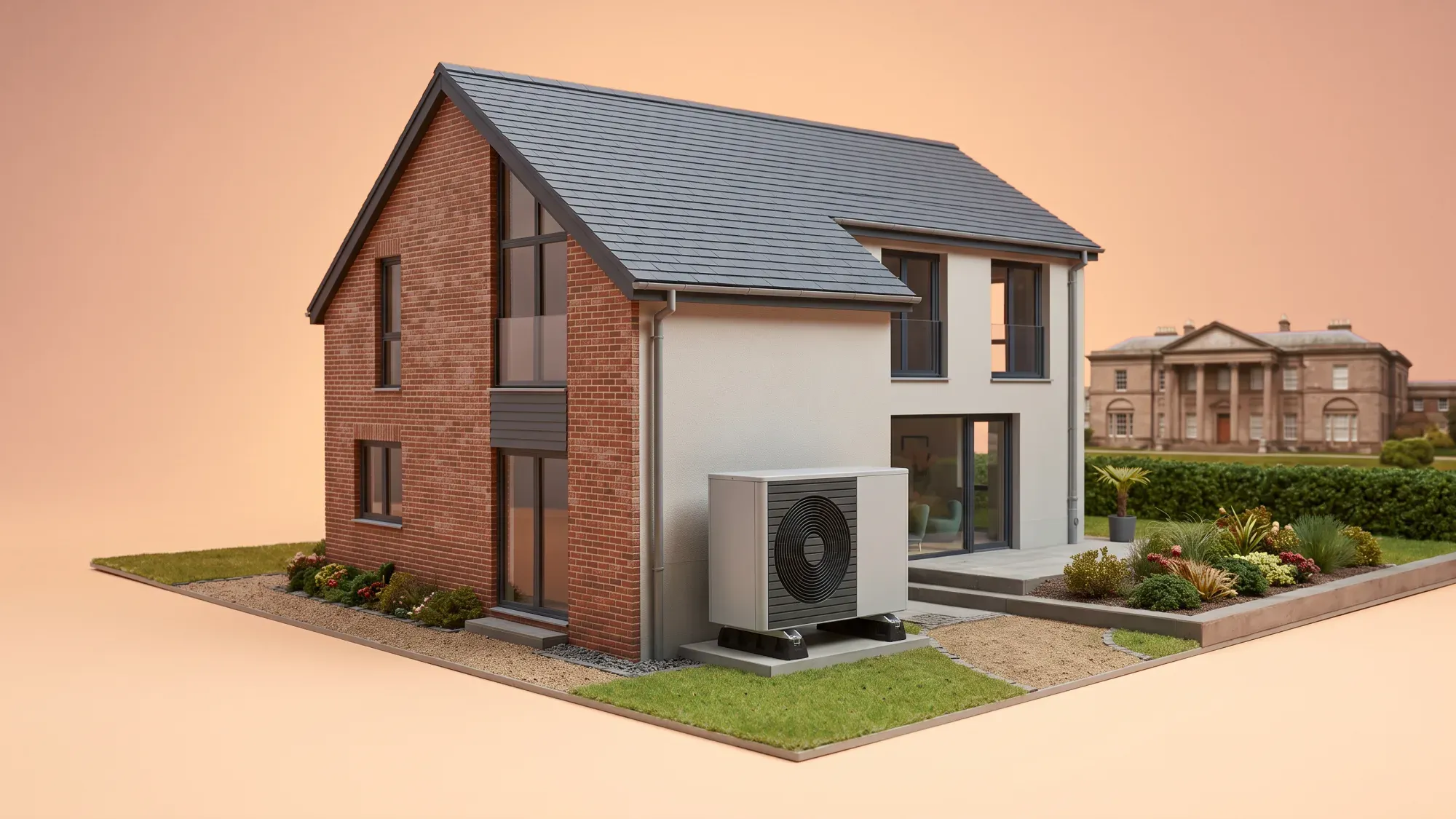
Cheshire, with its mix of historic towns, rural landscapes, and modern residential areas, offers homeowners a great opportunity to embrace sustainable heating. From Victorian terraces to newer builds and off-gas-grid properties, heat pumps provide an energy-efficient, low-carbon alternative to traditional heating systems. This guide provides practical, localised information on heat pump benefits, installation, grants, and how to find reputable local installers.
Why consider a heat pump for your Cheshire home?
Modern heating for diverse properties
Heat pumps represent a significant step forward in home heating technology, moving away from fossil fuels towards more sustainable options. They are well-suited for the varied properties found across Cheshire. Whether you own a period home that requires careful system design or a modern new build already constructed with energy efficiency in mind, heat pumps can provide effective heating. These systems extract heat from the air or ground, transferring it into your home to provide efficient heating and hot water, even when outside temperatures drop. Modern heat pumps operate efficiently even in colder climates, provided they are correctly sized and paired with adequate home insulation.
Environmental and efficiency benefits
Choosing a heat pump significantly reduces your home's carbon footprint, contributing to a cleaner environment. These systems are highly efficient, often converting one unit of electricity into three or more units of heat. This efficiency can lead to lower running costs compared to traditional fossil fuel boilers, especially as energy prices fluctuate. By adopting efficient heat pump technology, homeowners can move towards abundant, sustainable heating.
Understanding Cheshire's energy landscape
Regional electricity price cap
The cost of running a heat pump is influenced by local electricity prices. Ofgem, the UK's energy regulator, sets an energy price cap that limits how much suppliers can charge for each unit of gas and electricity on variable and tracker tariffs. This cap is reviewed every three months, with changes typically taking effect on 1 January, 1 April, 1 July, and 1 October. These quarterly updates influence energy costs for Cheshire residents, making it important to understand local variations when calculating potential savings from a heat pump.
Your local distribution network operator: SP Energy Networks
Your Distribution Network Operator (DNO) is responsible for delivering electricity from the National Grid to your home. For Cheshire, the local DNO is SP Energy Networks. They manage the local electricity infrastructure, including power lines and substations. In the event of a power cut, residents in Great Britain can dial the free national number 105, which routes directly to their DNO for assistance. Knowing your DNO is important for understanding how your home connects to the wider energy network and for any potential grid upgrades required for a heat pump installation.
Types of heat pumps for Cheshire properties
Air source heat pumps
Air source heat pumps (ASHPs) extract heat from the outside air, even at temperatures well below freezing, and use it to warm your home and hot water1. They are a popular choice due to their relative ease of installation and lower upfront cost compared to ground source systems. ASHPs are typically fitted to an exterior wall of your property and require good airflow around the unit. You can learn more about how an air source heat pump works and its suitability for your home.
Ground source heat pumps
Ground source heat pumps (GSHPs) harness heat from the ground using a network of buried pipes. This heat is then transferred to your home. While the installation is more complex and typically more expensive due to the need for excavation, GSHPs can offer highly consistent performance as ground temperatures are more stable than air temperatures. For more detailed information, explore our guide on ground source heat pump systems. They are often considered for properties with sufficient outdoor space for the ground loop installation.
Choosing the right system for your home
The best heat pump system for your Cheshire property depends on several factors, including your home's size, insulation levels, available outdoor space, and budget. An MCS-certified installer can assess your property and recommend the most suitable type of heat pump to ensure optimal performance and efficiency.
Grants and financial support for heat pumps
The Boiler Upgrade Scheme (BUS)
To encourage the adoption of low-carbon heating, the UK Government offers financial incentives. The Boiler Upgrade Scheme (BUS) provides a £7,500 grant towards the cost of installing an air source or ground source heat pump in England and Wales. This significant grant can substantially reduce the upfront cost of your heat pump installation.
Who administers the BUS?
The BUS is a UK Government initiative administered by Ofgem, the energy regulator for Great Britain, and funded by the Department for Energy Security and Net Zero (DESNZ). It provides financial support for homeowners in England and Wales to install low-carbon heating systems like heat pumps, helping to reduce the initial investment required.
Eligibility and application process
To qualify for the BUS, several criteria must be met. Your property must be in England or Wales and have a valid Energy Performance Certificate (EPC) with no outstanding recommendations for loft or cavity wall insulation. Crucially, the heat pump must be installed by an MCS-certified installer. The installer will apply for the grant on your behalf, and once approved, the grant amount is deducted directly from your total installation cost, meaning you only pay the difference.
Finding a reputable heat pump installer in Cheshire
The importance of MCS certification
Choosing the right installer is paramount for a successful heat pump installation. MCS (Microgeneration Certification Scheme) certification is essential for installers, as it is a prerequisite for customers to qualify for government grants like the BUS. An MCS-certified installer ensures that your system is designed and installed to a high standard, giving you peace of mind and access to financial support.
Questions to ask potential installers
When obtaining quotes from multiple MCS-certified heat pump installers in Cheshire, ask about their experience with properties similar to yours, their proposed system design, and the estimated running costs. Enquire about warranties, maintenance plans, and after-sales support. A reputable installer will be transparent about all aspects of the project.
Key considerations for heat pump installation
Property suitability and insulation
Before installing a heat pump, it is vital to assess your property's suitability. Heat pumps work most efficiently in well-insulated homes. Ensuring your home has adequate loft and cavity wall insulation, and potentially upgrading windows, will maximise the heat pump's performance and minimise running costs. An MCS-certified installer will conduct a thorough assessment of your property's insulation levels as part of their survey. To understand if a heat pump is a worthwhile investment for your home, consider reading our guide on are heat pumps worth it.
Sizing your heat pump correctly
Properly sizing the heat pump for your property is critical. An undersized unit will struggle to heat your home effectively, while an oversized one will cycle on and off unnecessarily, leading to inefficient operation. An MCS-certified installer will perform a detailed heat loss calculation for your home to determine the correct size and output required for your heat pump.
Maintenance and servicing
Like any heating system, heat pumps require regular maintenance to ensure optimal performance and longevity. Annual servicing by a qualified technician can help identify and address any issues early, keeping your system running efficiently for years to come.
Managing your home's energy should be simple and transparent. Fuse Energy offers clear pricing, real-time usage data through our app, and 24/7 human customer support to help you make informed decisions about your energy use. Switching to Fuse is quick and easy, allowing you to take control of your energy bills.
References
- Simple Green Energy. Air Source Heat Pump Efficiency in the UK (2026)
Disclaimer
For the avoidance of doubt, this article is provided for informational purposes only and is not intended to constitute legal or financial advice. The author and/or Fuse Energy shall not be responsible for any losses arising out of any reliance on the information contained herein.