Heat pumps for Carlisle homes
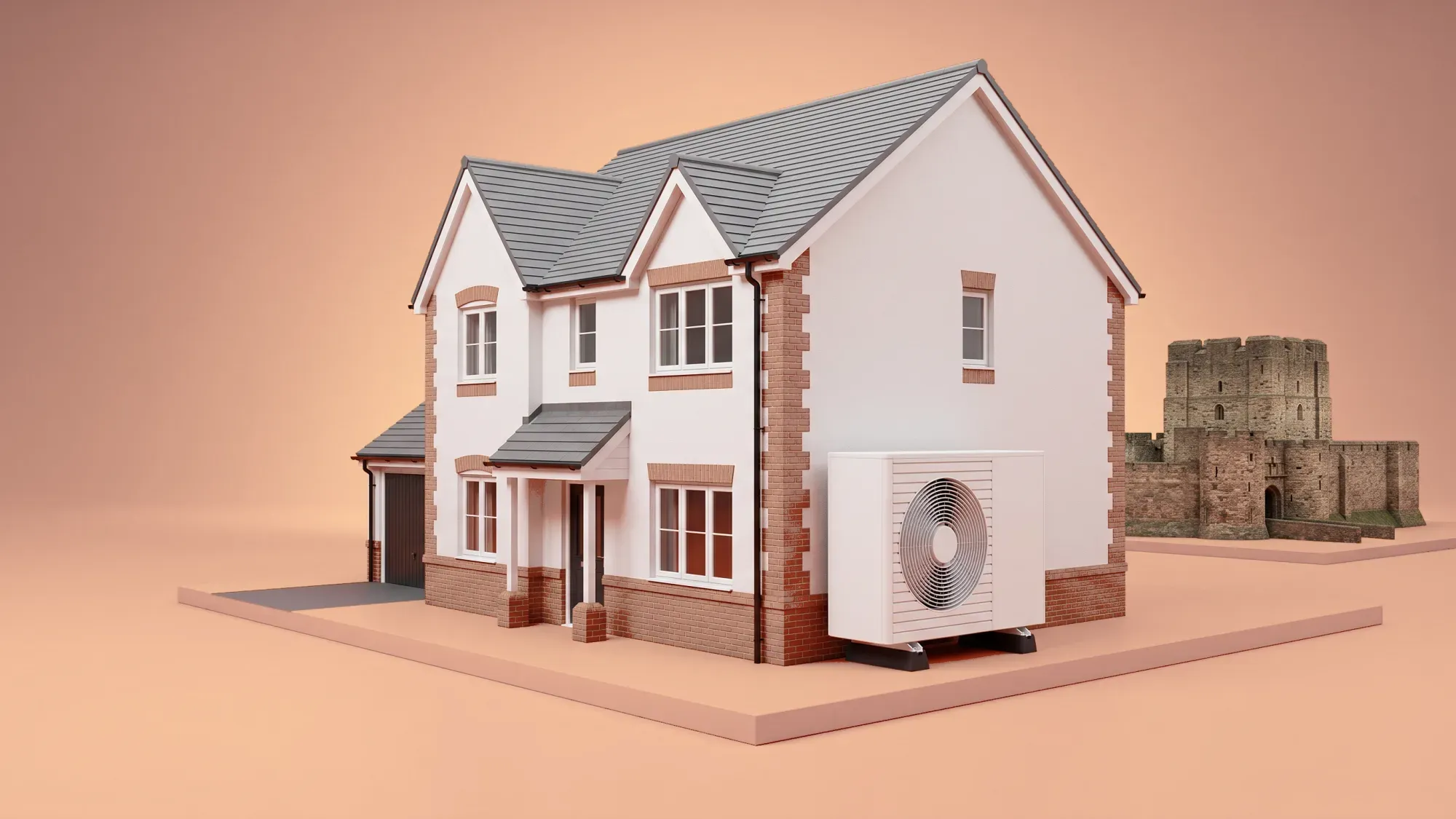
Carlisle, with its rich history and position in northern England, experiences distinct seasons, including colder winters that make efficient home heating a priority. Its diverse housing stock, ranging from solid Victorian terraces to modern new-builds and rural properties often off the gas grid, means heating solutions need to be adaptable. For homeowners in this unique setting, understanding local factors is key to choosing an effective and cost-efficient heat pump system. This guide will help you navigate the practicalities, costs, and local support available for installing a heat pump in your Carlisle home.
Understanding heat pumps for Carlisle homes
What is a heat pump and how does it work?
A heat pump is an energy-efficient heating and cooling system that works by transferring heat rather than generating it. Instead of burning fuel, it extracts heat from a source (like the air or ground outside your home) and transfers it indoors to warm your property. In reverse, it can move heat from inside to outside, providing cooling during warmer months. This process uses electricity to run the pump, but the amount of heat delivered is typically several times greater than the electrical energy consumed, making them highly efficient.
Air source vs ground source heat pumps
There are two primary types of heat pumps suitable for residential use:
- Air source heat pumps (ASHPs): These extract heat from the outside air, even when temperatures are well below freezing. They are generally easier and less disruptive to install, making them a popular choice for many homes. You can learn more about how an air source heat pump works.
- Ground source heat pumps (GSHPs): These draw heat from the ground, where temperatures remain more constant throughout the year. They require ground loops to be buried, which can involve significant excavation, but they often offer slightly higher efficiency and a longer lifespan.
The choice between an ASHP and a GSHP for your Carlisle home will depend on factors such as available outdoor space, ground conditions, and budget.
Benefits for Carlisle homeowners
Installing a heat pump in Carlisle offers several advantages. Firstly, they provide a highly efficient way to heat your home, potentially lowering your energy bills compared to traditional fossil fuel systems. Secondly, heat pumps produce significantly fewer carbon emissions, contributing to a greener home and helping to reduce your environmental impact. Modern heat pumps are designed to operate effectively even in colder climates, ensuring reliable warmth throughout Carlisle's northern winters, provided they are correctly specified and installed. This means you can enjoy consistent comfort while reducing your reliance on conventional heating methods. If you're wondering if heat pumps are worth it for your property, consider these long-term benefits.
Carlisle's unique heating landscape
Climate considerations for northern England
Carlisle's location in northern England means it experiences colder winters than many other parts of the UK. Historically, this might have raised concerns about the effectiveness of heat pumps. However, modern heat pump technology has advanced significantly. These units are now designed to operate efficiently even in temperatures well below freezing, making them a viable heating solution for Carlisle's colder winters when correctly specified and installed. The key is ensuring your system is appropriately sized for your property and paired with adequate insulation to maximise its performance.
Typical Carlisle housing stock and heat pump suitability
Carlisle's housing stock is varied, presenting different considerations for heat pump installation:
- Victorian terraces and older properties: Many of Carlisle's charming older homes may require insulation upgrades (e.g., loft, wall, and floor insulation) before a heat pump can operate at peak efficiency. These properties often have larger radiators, which can be compatible with heat pumps, but a thorough assessment is crucial.
- New-build estates: Modern homes are typically well-insulated and often built with underfloor heating or larger radiators, making them highly suitable for heat pump systems from the outset.
- Rural and off-gas-grid homes: For properties outside the main gas network, heat pumps offer a compelling alternative to oil, LPG, or electric storage heaters, often providing significant running cost savings and a lower carbon footprint.
Your local electricity grid
Carlisle falls within the North West England electricity distribution region. This is important because Ofgem, the energy regulator, sets regional price caps for electricity, meaning unit rates and standing charges can vary for residents compared to other parts of the UK.
The company responsible for managing the local electricity grid, maintaining power lines, and responding to power cuts is your Distribution Network Operator (DNO). If you experience a power cut, you can dial the free national number 105, which will connect you directly to your DNO. You can also find your DNO using the Energy Networks Association's postcode tool. Understanding your DNO is important for any home energy upgrades, as they manage the connection to the grid.
What is a DNO?
A DNO is the company responsible for delivering electricity from the national transmission network to your home. They own and maintain the local power lines, cables, and substations, ensuring a safe and reliable supply. You can find your specific DNO by entering your postcode on the Energy Networks Association website or by calling 105.
Grants and funding for heat pumps in Carlisle
The Boiler Upgrade Scheme
The UK Government's Boiler Upgrade Scheme (BUS) is a significant incentive for homeowners in England and Wales to switch to low-carbon heating1. The scheme provides a grant towards the cost of installing an eligible air source or ground source heat pump. You can get £7,500 off the cost and installation of an air source heat pump or a ground source heat pump2. From 21 July 2026, households in England and Wales currently using heating oil or LPG can claim an uplifted £9,000 grant for air source or ground source heat pumps, a temporary measure running until 31 March 2027. This grant aims to make renewable heating more accessible and affordable, helping to offset the upfront installation costs.
Eligibility and MCS certification
To qualify for the BUS grant, several criteria must be met3:
- Property type: The grant is available for homeowners in England and Wales.
- Installer certification: Your heat pump must be installed by an MCS-certified installer. MCS (Microgeneration Certification Scheme) certification ensures that installers meet high standards of quality and consumer protection for renewable energy installations. Without an MCS-certified installer, you will not be able to claim the BUS grant.
- Property EPC: Your property must have a valid Energy Performance Certificate (EPC) with no outstanding recommendations for loft or cavity wall insulation, unless you have an insulation exemption.
Your chosen MCS-certified installer will apply for the grant on your behalf, deducting the grant amount upfront from your total installation cost.
Local support and financing options
Beyond the BUS, Carlisle homeowners may explore other financing avenues. Some local banks or credit unions might offer specific green loans for energy-efficient home improvements. It's also worth checking if any local council initiatives or regional schemes are available, though the BUS is the primary national grant. Always compare interest rates and terms to find the best option for your circumstances.
The heat pump installation process in Carlisle
Assessing your home's readiness
Before any installation, a thorough assessment of your Carlisle home is essential. This includes:
- Insulation check: Ensuring your loft, walls, and floors are adequately insulated is paramount. A well-insulated home retains heat more effectively, allowing the heat pump to operate at its optimal efficiency and reducing running costs.
- Heat loss calculation: An MCS-certified installer will conduct a detailed heat loss calculation for your property. This determines the correct size of heat pump needed to comfortably heat your home, even on the coldest days.
- Radiator sizing: Your existing radiators may need to be upgraded to a larger size to work efficiently with the lower flow temperatures of a heat pump. Alternatively, underfloor heating is an excellent pairing.
Finding an MCS-certified installer
Finding the right installer is critical. Always choose an MCS-certified professional, as this is a mandatory requirement for accessing the BUS grant. Seek out installers with a good local reputation and experience with Carlisle's housing types. Obtain multiple quotes to compare costs, proposed systems, and warranties. A reputable installer will provide a detailed breakdown of costs, explain the installation process, and handle the BUS grant application for you.
What to expect during installation
The heat pump installation process typically involves:
- System design: The installer will finalise the system design, including the heat pump unit's location, pipework, and any necessary upgrades to radiators or hot water cylinder.
- Unit installation: The outdoor unit (for air source) or ground loops (for ground source) will be installed, along with the indoor unit and hot water cylinder.
- Pipework and electrics: New pipework will connect the heat pump to your heating system, and electrical connections will be made.
- Commissioning: The system will be filled, bled, and thoroughly tested to ensure it's operating correctly and efficiently. The installer will then provide a handover, explaining how to use and maintain your new heat pump.
Maintaining your heat pump for optimal performance
Routine servicing and repairs
Like any heating system, heat pumps benefit from regular maintenance to ensure long-term efficiency and reliability. Most manufacturers recommend an annual service by a qualified technician. This involves checking refrigerant levels, cleaning filters, inspecting electrical connections, and ensuring all components are working correctly. Regular servicing can help prevent minor issues from escalating into costly repairs and prolong the lifespan of your system.
Maximising efficiency and savings
To get the most out of your heat pump in Carlisle:
- Set it and forget it: Heat pumps work best when left to run at a consistent, lower temperature rather than being turned on and off frequently.
- Optimise controls: Use your system's smart controls and thermostat effectively to manage heating schedules and temperatures.
- Maintain insulation: Keep your home well-insulated to minimise heat loss, reducing the workload on your heat pump.
- Clear outdoor unit: For air source heat pumps, ensure the outdoor unit is kept clear of debris, leaves, or snow to maintain good airflow.
Making the switch to a heat pump in Carlisle
Key considerations before you begin
Switching to a heat pump is a significant investment that offers long-term benefits. Before you commit, consider:
- Property suitability: Is your home well-insulated? Are you prepared for potential upgrades to radiators or hot water storage?
- Upfront costs: While the BUS provides substantial support, there will still be an upfront cost. You can explore the typical air source heat pump cost to help with your budgeting.
- Long-term savings: Focus on the potential for reduced running costs and a lower carbon footprint over the lifespan of the system.
Your next steps towards cleaner heating
Embarking on the journey to install a heat pump in your Carlisle home is a proactive step towards a more sustainable and potentially more affordable heating future. Start by researching MCS-certified installers in your area and obtaining detailed quotes. Engage with them to understand the best system for your property and how to maximise your grant eligibility.
References
- UK Government. Boiler Upgrade Scheme.
- UK Government. Apply for the Boiler Upgrade Scheme: What you can get.
- UK Government. Apply for the Boiler Upgrade Scheme: Check if you're eligible.
Disclaimer
For the avoidance of doubt, this article is provided for informational purposes only and is not intended to constitute legal or financial advice. The author and/or Fuse Energy shall not be responsible for any losses arising out of any reliance on the information contained herein.