Heat pump Bradford: grants and installation
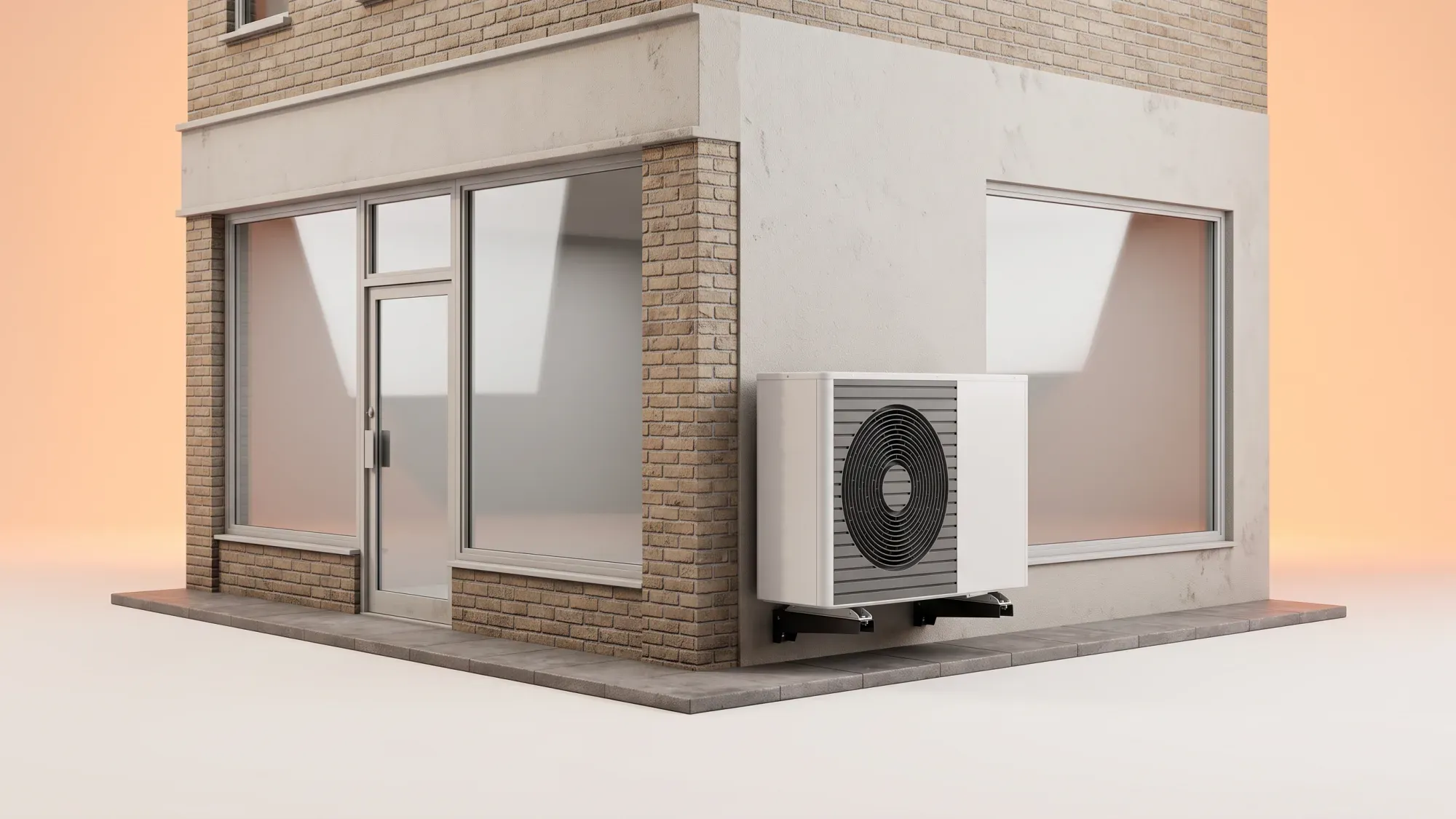
Upgrading your home heating in Bradford means navigating local conditions, from its distinctive housing to the northern climate, and understanding how a heat pump fits into that picture. Heat pumps offer an efficient alternative to traditional boilers, providing a path to lower carbon emissions and potentially reduced energy bills for homeowners across the city. This guide cuts through the noise, offering clear, data-backed information tailored for Bradford residents considering this significant home improvement.
Heat pumps in Bradford: a local perspective
Bradford's urban landscape, characterised by a mix of solid Victorian terraces, inter-war housing, and newer developments, presents unique considerations for heating systems. The city's position in Northern England means homeowners often experience colder, longer winters, making efficient heating a priority.
Bradford's unique energy landscape
Bradford sits within the 'Yorkshire' electricity distribution region. Northern Powergrid is the local Distribution Network Operator (DNO) for Bradford, responsible for maintaining the electricity infrastructure that delivers power to homes. In the event of a power cut, Bradford residents can dial the free national number 105, which routes to Northern Powergrid.
Suitability for Bradford's housing and climate
A common misconception is that heat pumps are unsuitable for older homes or colder climates. However, modern heat pumps are designed to run efficiently even well below freezing temperatures, with some models performing effectively at -15°C. This makes them a viable option for Bradford's colder northern weather, provided they are correctly specified and paired with good home insulation. Proper insulation is crucial to maximise efficiency and ensure your home stays warm and comfortable. Heat pumps can produce around three units of heat for every unit of electricity they use, making them highly efficient.
Understanding the Boiler Upgrade Scheme (BUS) grant
The UK government's Boiler Upgrade Scheme (BUS) is a key incentive for homeowners in England and Wales to switch to low-carbon heating systems. It offers a significant grant to help with the upfront costs of installing a heat pump.
How the £7,500 grant works
The BUS, administered by Ofgem, provides a £7,500 grant towards the cost and installation of an air source or ground source heat pump. This grant is designed to reduce the initial financial barrier to adopting more sustainable heating solutions. The scheme is "installer-led," meaning your chosen MCS-certified installer will manage the application process on your behalf.
Your role in the application process
While the installer handles the bulk of the paperwork, your involvement is crucial. You, the property owner, must consent to the installer applying for the grant on your behalf. Ofgem will typically contact you directly to confirm this consent. Once the application is approved and the installation is complete, the grant amount is deducted from your overall invoice, effectively providing an upfront discount on the cost of your new heat pump system. It is important to ensure your chosen installer is certified by the Microgeneration Certification Scheme (MCS), as this is a mandatory requirement for the grant.
Types of heat pumps for Bradford homes
There are two primary types of heat pumps suitable for residential properties in Bradford: air source and ground source. Each has distinct characteristics that may suit different homes and budgets.
Air source heat pumps
Air source heat pumps extract heat from the outside air, even when temperatures are low, and transfer it into your home's heating system. They are generally easier and less disruptive to install than ground source systems, making them a popular choice for many existing properties. Their efficiency can vary with external temperatures, but modern units perform well in cold climates. You can learn more about how they work and their suitability in our air source heat pump guide. For a deeper dive into their advantages and disadvantages, consider reading about air source heat pumps pros and cons.
Ground source heat pumps
Ground source heat pumps harness heat from the ground through a network of buried pipes. This type of system offers very stable performance year-round, as ground temperatures remain relatively consistent. However, installation typically involves more significant excavation, which can increase initial costs and may not be feasible for all properties, particularly those with smaller gardens or limited outdoor space. If you're weighing your options, our comparison of air source vs ground source heat pump can provide further insights.
Choosing a heat pump installer in Bradford
Selecting the right installer is paramount for a successful heat pump installation, especially given the importance of correct sizing and system design for optimal efficiency in Bradford's climate.
The importance of MCS certification
For your heat pump installation to be eligible for the BUS grant, your installer must be certified by the MCS. MCS certification is a quality assurance standard that ensures installers meet high levels of competence and that products are of a good quality. Always verify an installer's MCS certification before committing to any work.
Questions to ask potential installers
When obtaining quotes from MCS-certified installers in Bradford, consider asking:
- How will they assess my home's insulation and heat loss?
- What type and size of heat pump do they recommend for my property, and why?
- Can they provide a clear breakdown of all costs, including installation, and how the BUS grant will be applied?
- What is their experience with installing heat pumps in homes similar to mine in Bradford?
- What aftercare and maintenance services do they offer?
Next steps for your heat pump journey
Making the switch to a heat pump is a significant decision, but with the right information and support, Bradford homeowners can confidently move towards a more sustainable and efficient heating system.
Getting started with an assessment
The first step is to assess your home's suitability for a heat pump. This involves evaluating your current insulation levels and understanding your property's heat demand. An MCS-certified installer can conduct a thorough assessment and provide a tailored recommendation.
Long-term benefits for Bradford homeowners
Investing in a heat pump can lead to long-term benefits, including reduced carbon emissions and potentially lower running costs compared to traditional fossil fuel systems. With the BUS grant, the initial investment becomes more manageable, empowering Bradford homeowners to make a positive "power play" for their home and the environment. Fuse is certified to provide BUS grants and aims to support homeowners in Bradford with transparent information and efficient installations.
Disclaimer
For the avoidance of doubt, this article is provided for informational purposes only and is not intended to constitute legal or financial advice. The author and/or Fuse Energy shall not be responsible for any losses arising out of any reliance on the information contained herein.