Heat pump Bournemouth installation
Bournemouth, with its distinctive blend of Victorian architecture, modern developments, and coastal properties, presents unique considerations for homeowners exploring heat pump installations. The town's varied housing stock, from solid-wall terraces to newer, well-insulated homes, means that while heat pumps offer an energy-efficient heating solution, their suitability and optimal performance depend heavily on individual property characteristics. This guide will help Bournemouth residents navigate the process, from understanding heat pump types to securing grants and finding local, reputable installers.
Why consider a heat pump for your Bournemouth home?
Energy efficiency and environmental benefits
Heat pumps are an energy-efficient and eco-friendly alternative to traditional heating systems, drawing heat from the air or ground to warm your home and provide hot water. Unlike boilers that burn fossil fuels, heat pumps simply move existing heat, significantly reducing carbon emissions and offering a greener way to heat your property. This efficiency can lead to lower running costs, especially when replacing an older, less efficient system. Air source heat pumps, for example, can achieve efficiencies of 300% or more, meaning they produce at least 3 kWh of heat for every 1 kWh of electricity used, by moving existing heat rather than burning fuel1.
Suitability for Bournemouth's diverse properties
Bournemouth's housing landscape, encompassing everything from historic Victorian and Edwardian homes to contemporary new builds, means that heat pump suitability varies. For older properties, adequate insulation is crucial for a heat pump to operate efficiently. Modern heat pump units maintain high efficiency even during a typical UK winter, making them a viable option across the country, including Bournemouth's coastal climate. However, ensuring your home is well-insulated - including loft, wall, and floor insulation - is the first step to maximising a heat pump's performance and ensuring it can comfortably heat your home. If you're wondering if a heat pump is right for your property, exploring whether heat pumps are worth it can provide further insights.
Understanding heat pump types and how they work
Heat pumps operate on a similar principle to a refrigerator, but in reverse, extracting heat from one place and transferring it to another. The two primary types suitable for homes are air source and ground source.
Air source heat pumps in Bournemouth
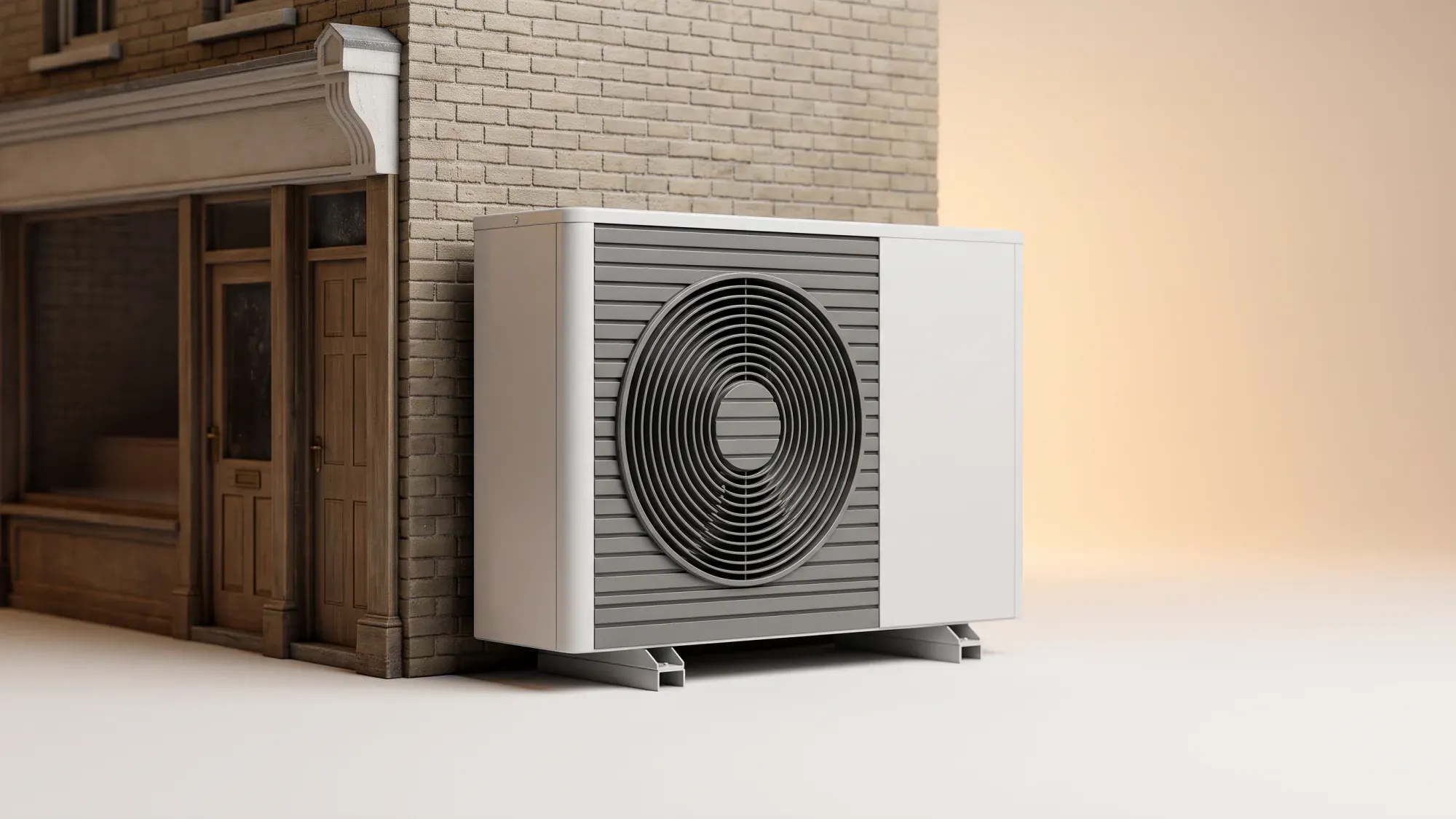
Air source heat pumps extract heat from the outside air, even when temperatures are below freezing. They are generally easier and less disruptive to install than ground source systems, making them a popular choice for many Bournemouth homes. An outdoor unit, similar to an air conditioning unit, is typically installed on an exterior wall or on the ground outside the property.
Ground source heat pumps for local properties
Ground source heat pumps absorb heat from the ground through a network of buried pipes. This option requires more land for the pipework installation, either horizontally in trenches or vertically in boreholes. While the initial installation can be more complex and costly, ground source systems often offer higher efficiency due to the more consistent temperature of the ground compared to the air. This could be a consideration for Bournemouth properties with larger gardens or plots.
Local considerations for Bournemouth homeowners
Understanding the local energy infrastructure and climate is key to a successful heat pump installation in Bournemouth.
Bournemouth's electricity network and price cap region
The electricity distribution network in your area is managed by a Distribution Network Operator (DNO). This entity is responsible for the local electricity grid and may need to be notified of new heat pump installations, especially larger systems, to ensure the grid can accommodate the increased electricity demand. If you experience a power cut, you can dial the free national number 105, which will connect you to your local DNO. You can find your specific DNO using the Energy Networks Association (ENA) 'Find my network operator' tool.
Climate and housing stock impact on performance
Bournemouth's coastal climate, while generally milder than some inland areas, still experiences cold snaps and damp conditions. Heat pumps are designed to operate effectively in typical UK winter temperatures, maintaining high efficiency. However, the diverse housing stock, from older, less insulated homes to modern, airtight properties, will influence a heat pump's required size and overall performance. A correctly sized heat pump, paired with adequate insulation, is essential for optimal efficiency and comfort.
Grants and funding for heat pumps in England
Financial support is available to help homeowners in England transition to heat pump technology.
The Boiler Upgrade Scheme (BUS) explained
The Boiler Upgrade Scheme (BUS) offers a £7,500 grant towards the cost of installing an air source or ground source heat pump in England and Wales2. This grant is designed to make renewable heating systems more affordable and accessible. To be eligible, your property must have a valid Energy Performance Certificate (EPC) with no outstanding recommendations for loft or cavity wall insulation, unless an exemption applies. The heat pump must also be installed by an MCS-certified installer.
What is the BUS?
The BUS is a UK government initiative offering a £7,500 grant to eligible homeowners in England and Wales towards the installation of air source or ground source heat pumps. It aims to encourage the adoption of low-carbon heating technologies and reduce reliance on fossil fuel boilers.
Finding MCS-certified installers in Bournemouth
To access the BUS grant, it is a mandatory requirement that your heat pump is installed by an MCS-certified installer. MCS (Microgeneration Certification Scheme) is a quality assurance scheme that certifies renewable energy technologies and installers. Choosing an MCS-certified installer ensures that the installation meets high industry standards and that you are eligible for government incentives. When seeking quotes in Bournemouth, always confirm that the installer holds current MCS certification.
The heat pump installation process in Bournemouth
Installing a heat pump involves several key stages, from initial assessment to activation and ongoing maintenance.
From initial assessment to activation
The process typically begins with a thorough home assessment by an MCS-certified installer. They will evaluate your property's insulation, heating requirements, and available space to recommend the most suitable heat pump type and size. This assessment will also consider your property's electrical supply and any potential upgrades needed for the heat pump. Once a system is chosen, the installer will manage the grant application process (if applicable) and coordinate with your local DNO for any necessary grid notifications. Installation involves fitting the outdoor or ground array unit, connecting it to your indoor heating system, and integrating it with your hot water cylinder. Finally, the system is commissioned, tested, and you receive a handover with instructions on how to operate your new heating system.
Maintaining your heat pump for long-term efficiency
Like any heating system, heat pumps benefit from regular maintenance to ensure optimal performance and longevity. This typically involves annual servicing by a qualified technician, who will check components, refrigerant levels, and overall system efficiency. Simple tasks, such as keeping the outdoor unit clear of debris for air source heat pumps, can also help maintain efficiency. Proper maintenance ensures your heat pump continues to provide efficient, low-carbon heating for many years.
References
- Simple Green Energy. Air Source Heat Pump Efficiency in the UK (2026)
- UK Government. Boiler Upgrade Scheme
Disclaimer
For the avoidance of doubt, this article is provided for informational purposes only and is not intended to constitute legal or financial advice. The author and/or Fuse Energy shall not be responsible for any losses arising out of any reliance on the information contained herein.